


What the cold does to a heat pump here
Your winter low here averages 15°F, and that number matters more than any other for this choice. A standard heat pump starts losing capacity below 40°F, and below about 35°F it usually needs backup heat to keep up. Fremont County sits below both marks every single night it drops to freezing or colder, which is about 155 nights a year, over half the nights in the nine months your heat runs.
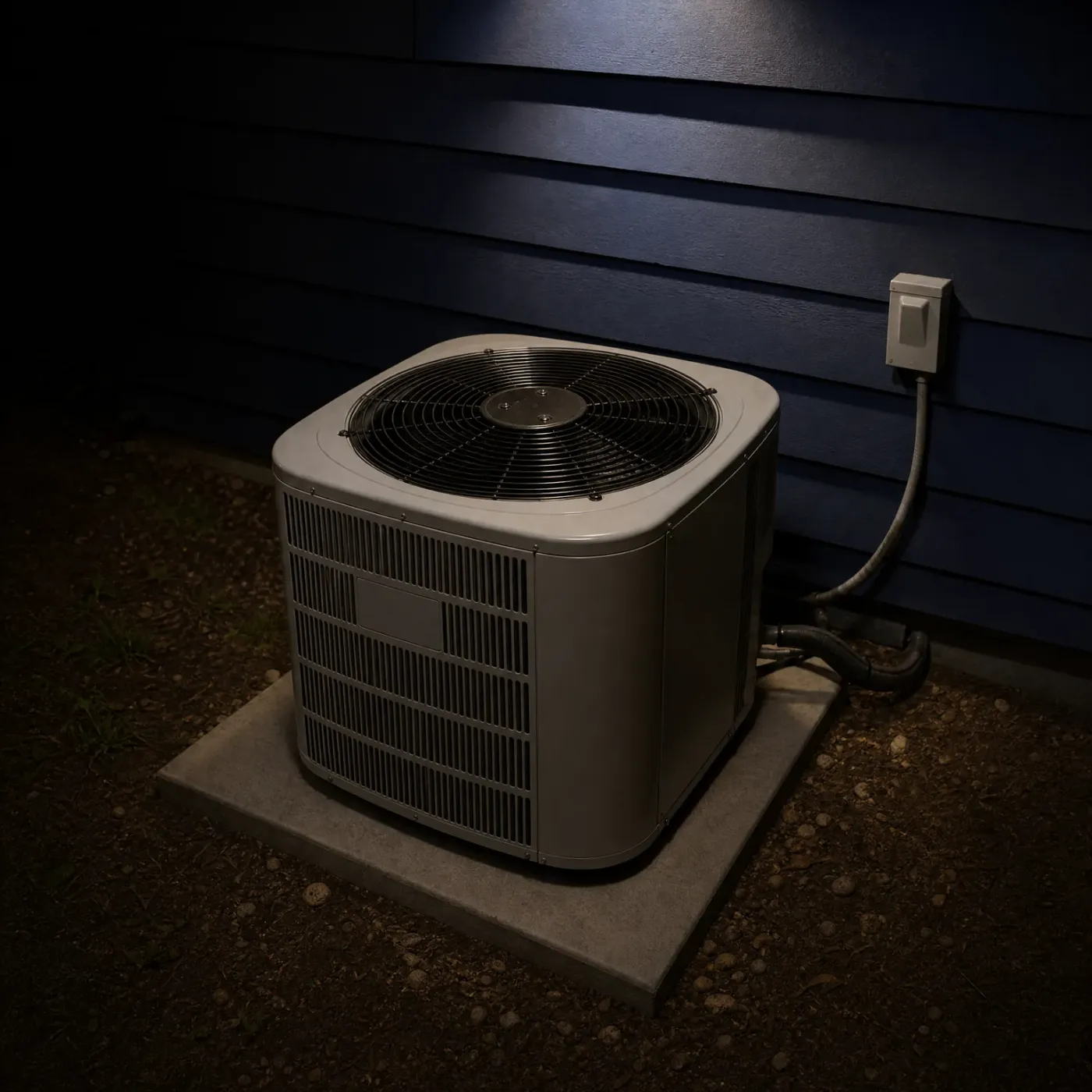
That does not mean a heat pump quits. The ENERGY STAR Cold Climate models are built and tested to keep making real heat down at 5°F, around 70 percent of what they make at 47°F. Field tests of these cold-climate units found that backup heat carried only a small share of the load between 0°F and 35°F, and that running on backup alone was rare even above 0°F. Fremont County only sees about 7 nights a year that cold, so for most of the winter here a cold-climate heat pump is doing the work itself.
A standard heat pump, the kind built to the federal minimum, is a different case. It will struggle more often here, because the 15°F average low is well past the point where its output starts to fall short of its rating. If you are looking at a heat pump for this county, the Cold Climate label is the difference between a system that handles the winter and one that leans on backup heat all season.