

Heat pump vs furnace in Adams County, Colorado

Get a Local Quote

Pros who install both

Which costs less to run in Adams County?

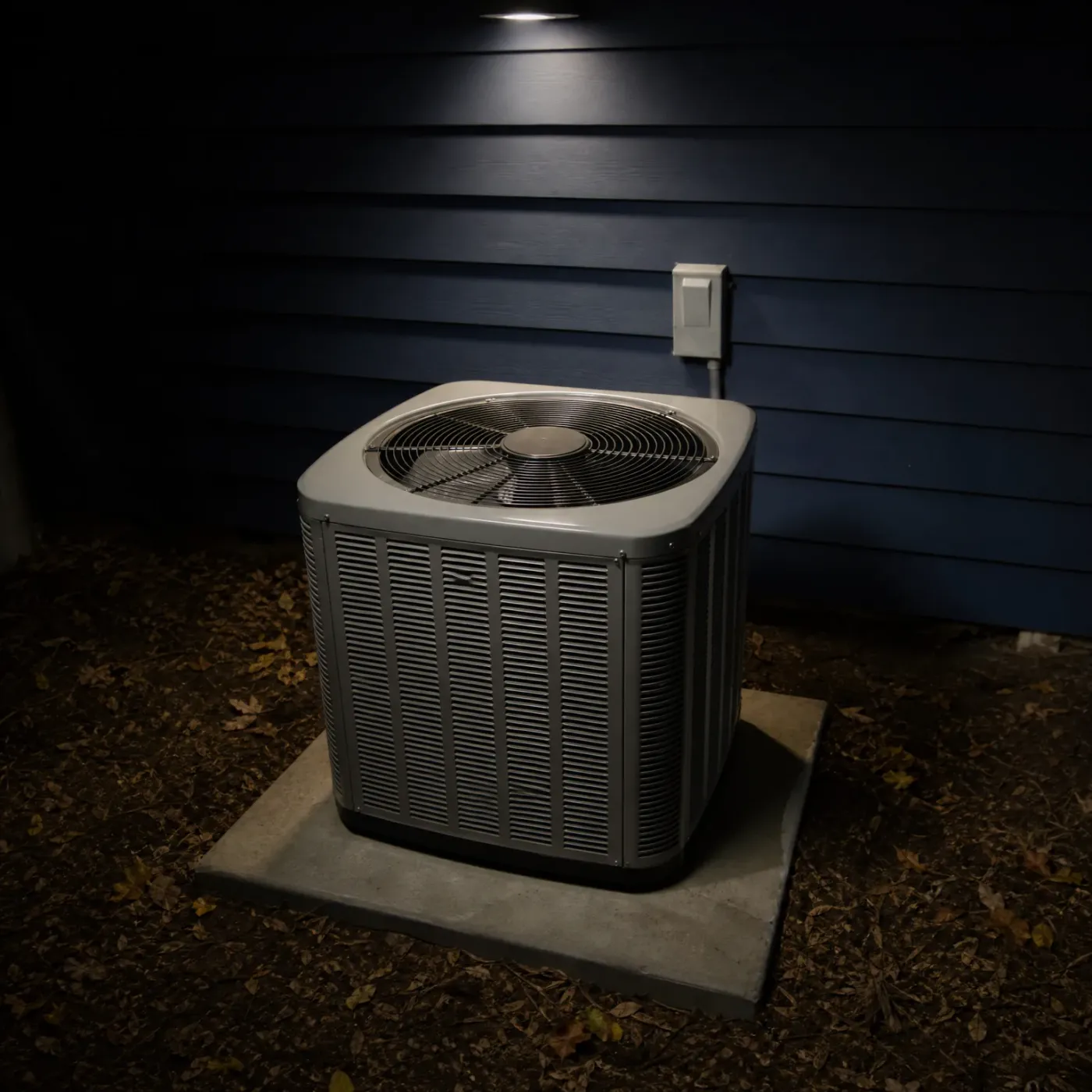
An outdoor air conditioning condenser unit on a concrete pad beside a dark blue horizontal lap-sided wall at night, lit from above, with a disconnect box on the wall and fallen leaves on the ground.

Heat pump

To heat your home here$1.99per 100,000 Btu

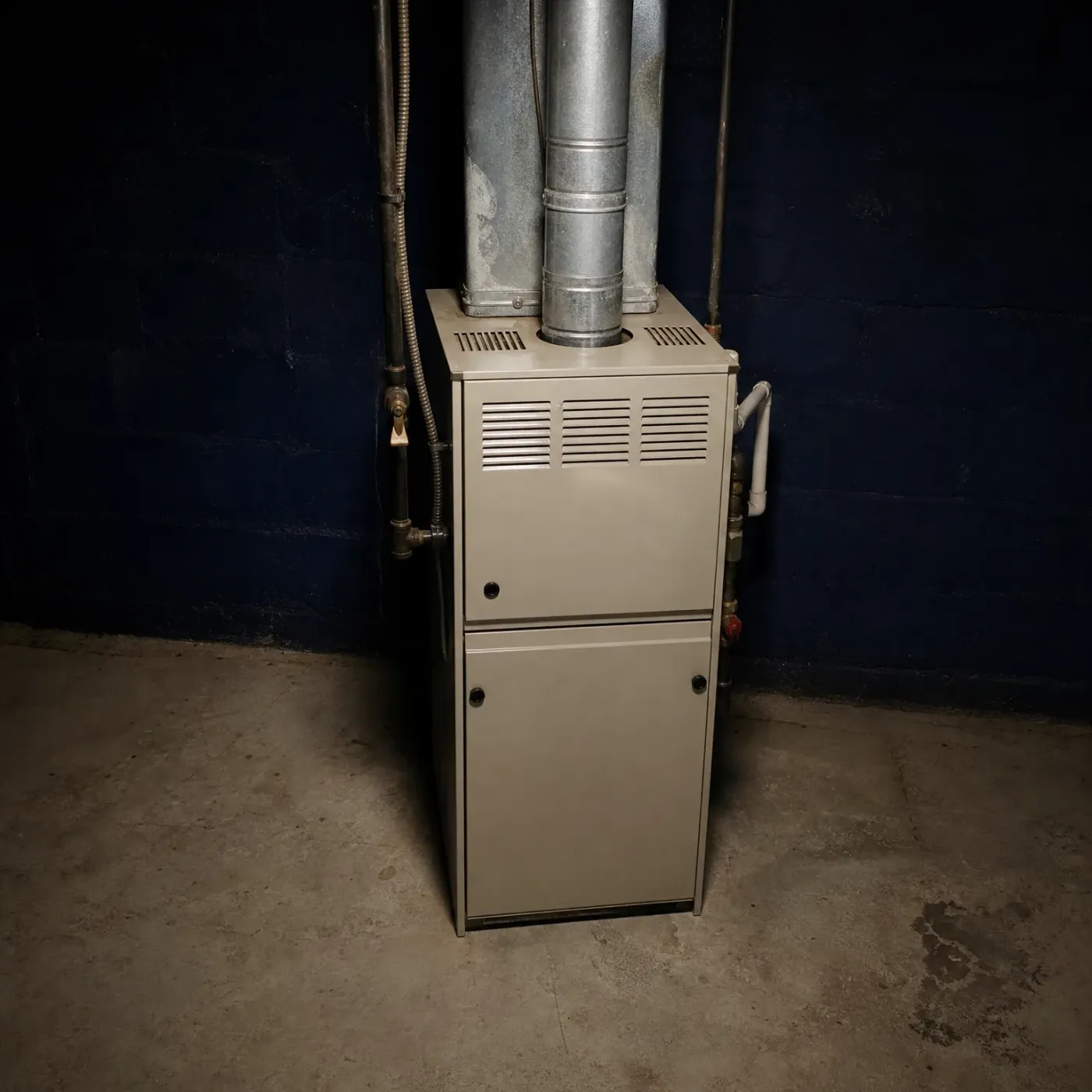
A beige gas furnace with louvered front panels stands on a concrete floor against a dark blue painted block wall, with galvanized flue ducts rising from its top and metal and plastic pipes running along the wall beside it.

Furnace

To heat your home here$1.26per 100,000 Btu

At Colorado's gas and electricity prices, a gas furnace makes the same heat as a heat pump for at least 36% less.

Btu stands for British thermal unit, the standard measure of heat energy.

Where does a heat pump shine?

  • No gas line, nothing burning in the house

    There's no gas line to the unit and no flame anywhere in it. Carbon monoxide isn't part of the picture.

    Kitchen interior with white upper cabinets, navy lower cabinets, stainless range hood over a cooktop, white subway tile backsplash, and a light countertop island holding a bowl of lemons and a vase of white hydrangeas.
  • Steady, even comfort

    Instead of short bursts of heat, it keeps a gentle, steady output going. The house stays at one comfortable temperature.

    A light-colored dog sleeps on a woven rug in a dimly lit living room with a navy armchair holding an open book and a knit blanket, a lit floor lamp, built-in shelves, and a window showing snow-covered trees at dusk.
  • Heats and cools in one system

    A heat pump runs the same way all year. It pulls heat into the house in winter and pushes it out in summer.

    A living room with navy blue walls and built-in shelving, a beige sectional sofa with blue and gray pillows and a knit throw, a wooden coffee table with a woven tray and glass vase of greenery, a leather ottoman, and a large window looking onto green shrubs and hydrangeas.

Where does a furnace shine?

  • Strong, steady heat in hard cold

    Winter nights here average 16°F, and a furnace keeps putting out the same hot air no matter how far the temperature drops. You get steady heat straight from the vents all night, not a slow decline as it gets colder outside.

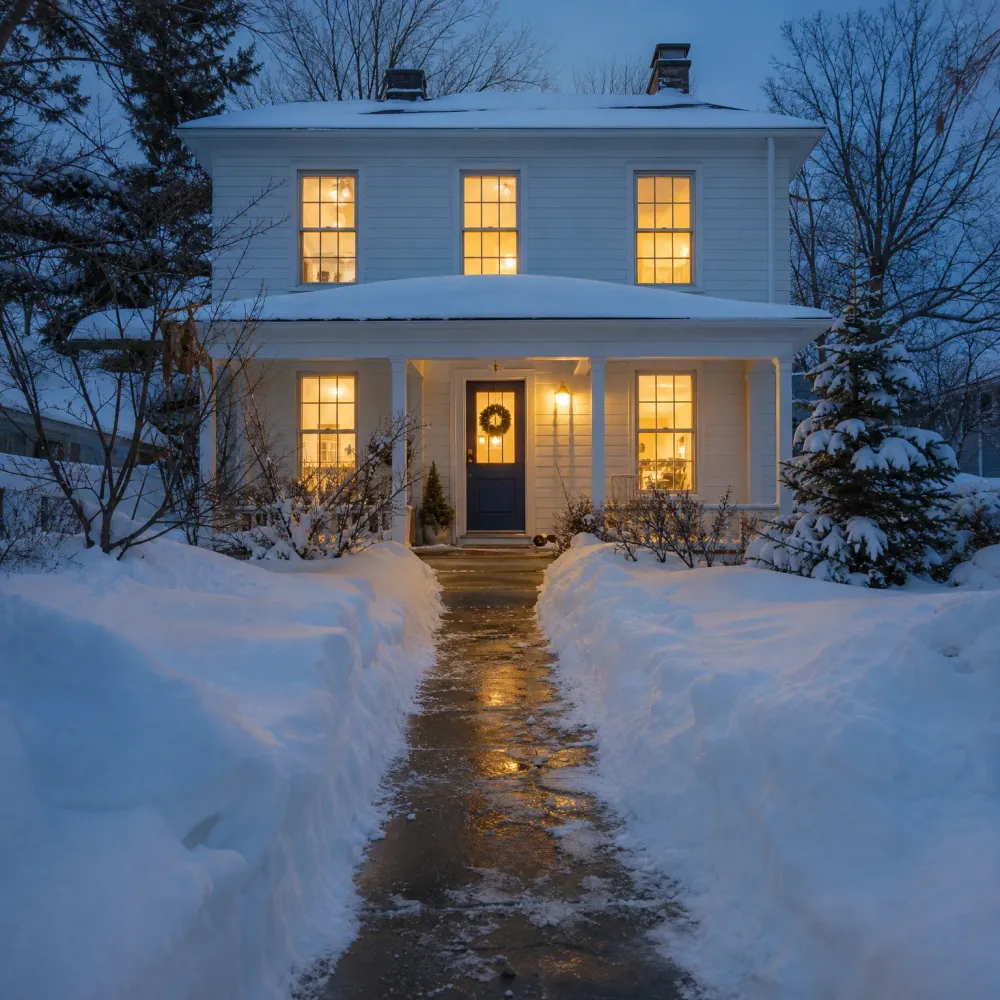
    A two-story white clapboard house with lit windows and a wreath on the front door at dusk, with a shoveled wet walkway between deep snowbanks leading to the porch.
  • Runs on the gas most homes here already use

    Most homes in Adams County heat with utility gas already, 68.9% of them. If yours is one, a furnace just uses the line already run to your house.

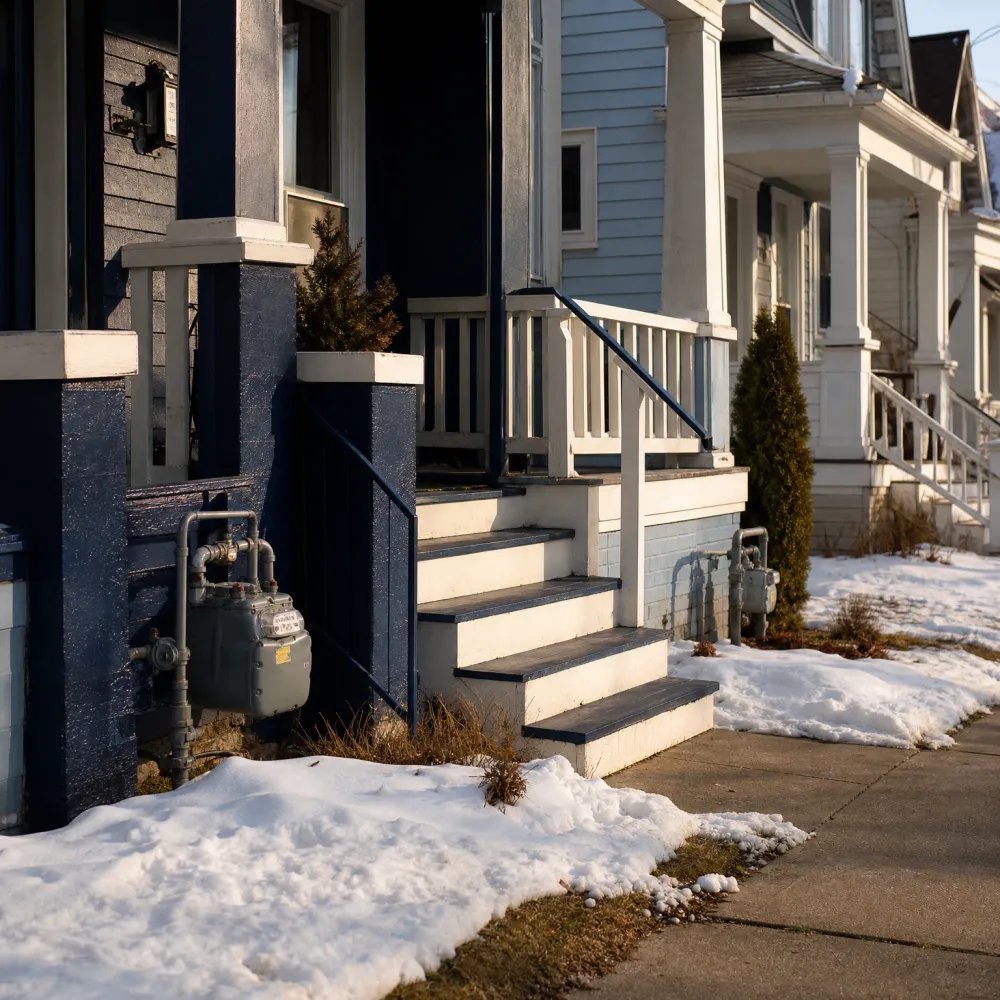
    A row of houses with covered porches, white railings and exterior gas meters, with snow on the ground beside a concrete sidewalk in low sunlight.
  • Pairs with any central AC

    Most central air systems are built around a furnace. The two share the blower, the ducts and the thermostat.

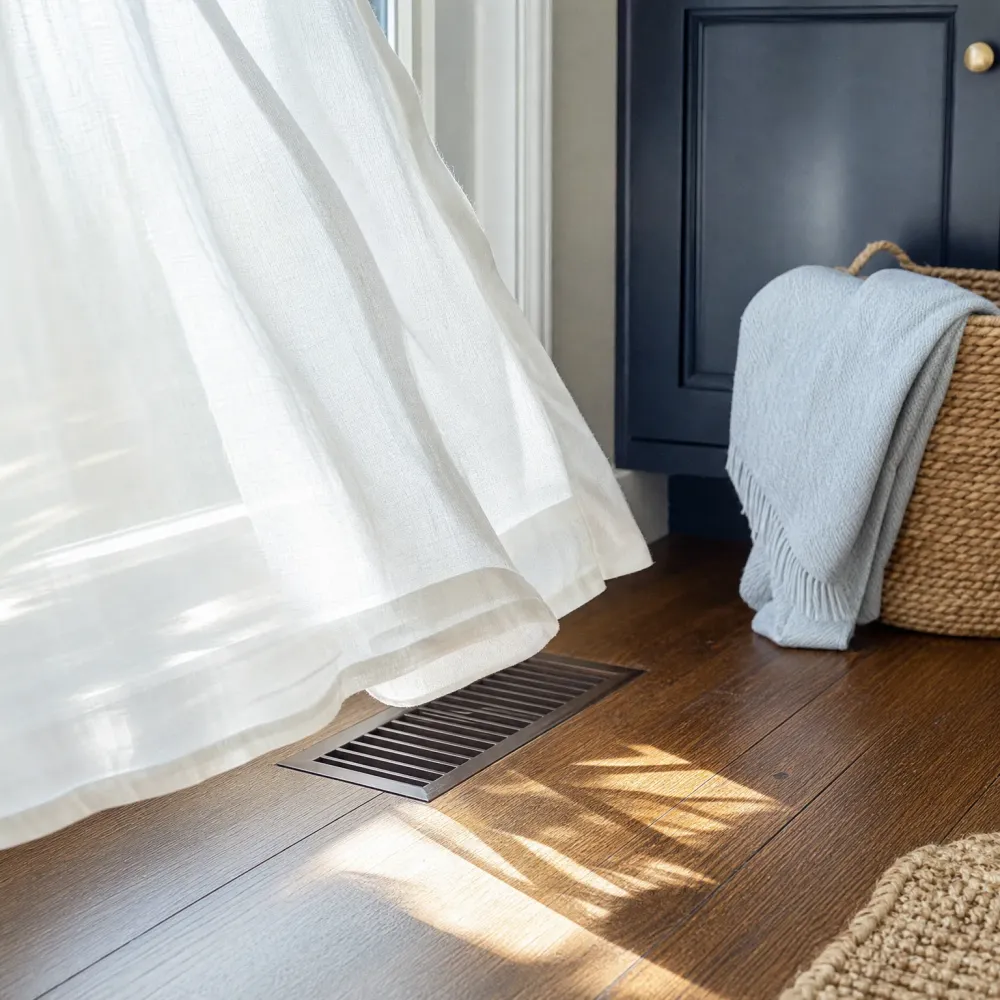
    A dark metal floor register vent set in dark wood flooring beside a sheer white curtain, with a navy cabinet and a woven basket holding a light blue throw in the background.

What winter here does to a heat pump

Your winter low here averages 16°F. A standard heat pump starts falling short of its rating below 40°F, and below about 35°F it usually needs backup heat to keep the house warm. Your average night is below both of those marks. So is every one of the roughly 155 nights a year here that drop to freezing or colder, over half the nights in the eight months your heat runs.

That does not mean the heat pump stops working. It means that on more than half the nights of your heating season, it is either leaning on backup heat or putting out less than its rated capacity. A gas furnace does not have that problem. Built to the federal minimum, it holds its output whether it is 30°F or 10°F outside.

About 5 nights a year here reach 0°F or below, a small share of the winter. Field testing on cold-climate heat pumps found backup heat only covered a small part of the load between 0°F and 35°F, and running on backup alone was rare even at 0°F. That is for a heat pump built and tested for cold climates. If you want a heat pump for a house here, look for the ENERGY STAR Cold Climate mark, which requires real tested output at 5°F. The running-cost numbers above assume a heat pump built only to the federal minimum, not one carrying that mark.
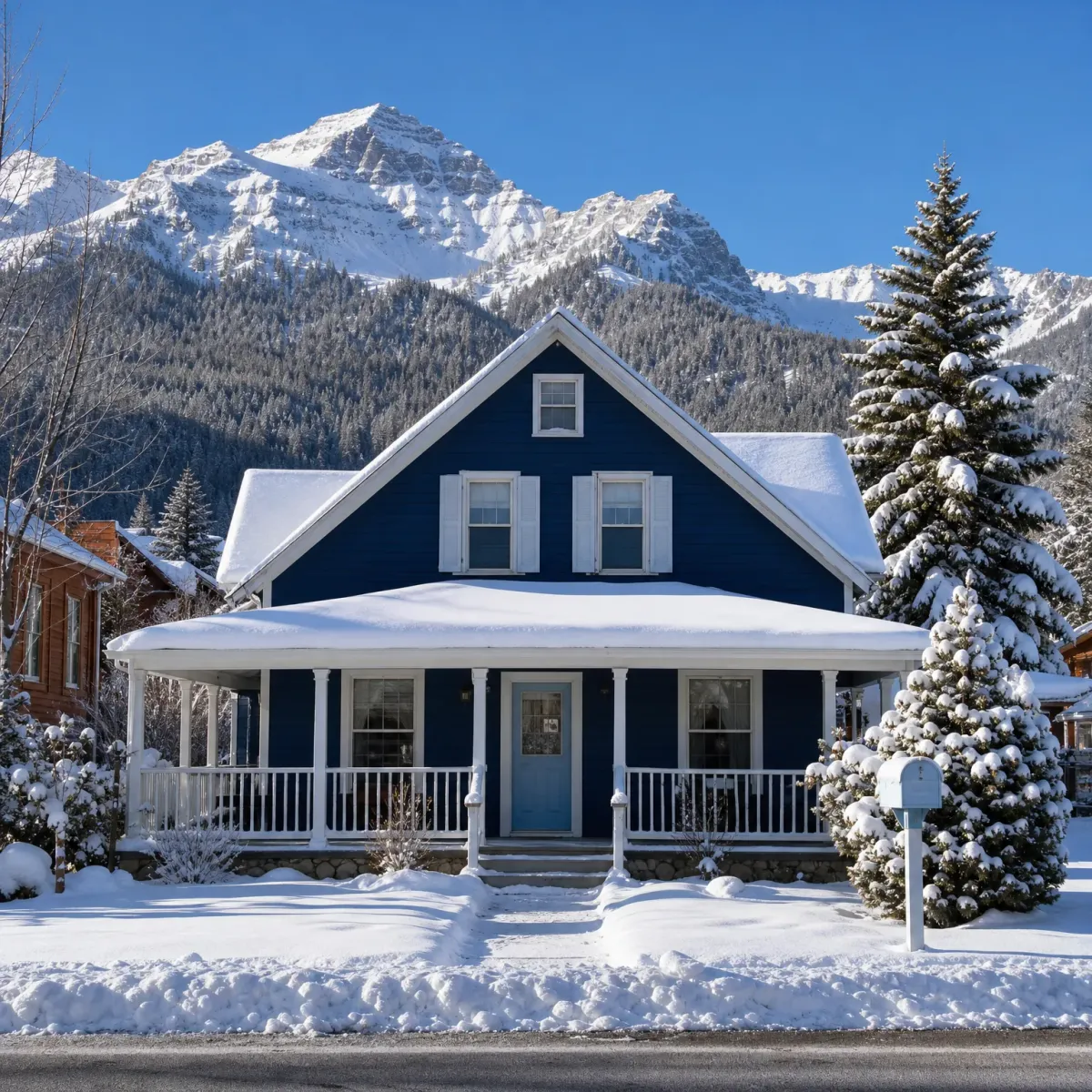
A dark blue two-story house with a white wraparound porch and snow-covered roof, surrounded by deep snow, snow-laden evergreen trees, and a white mailbox, with forested snowy mountains under a clear blue sky behind.

What it costs to run, and what each one gives up

A gas furnace is the cheaper of the two to run here. At Colorado's average fuel prices, it makes the same heat for $1.26 per 100,000 Btu against $1.99 for a heat pump, and the heat pump's figure does not count the backup heat it would draw on during your coldest nights. Gas is also what most of your neighbors already heat with. Utility gas heats 68.9 percent of homes in Adams County, electricity 27.2 percent.

A furnace only heats. For the four months a year nobody here runs the heat, June through August, it sits idle while a separate AC keeps the house cool. A heat pump does both jobs in one system. Summer is the shorter case to make either way: the afternoon only reaches 90°F or above about 50 days a year, under a quarter of the year, so most of what either machine does in Adams County is heat a house, not cool one.

If the lowest running cost and the strongest output on the coldest nights matter most, a furnace is the plainer choice here. If one system that heats and cools, with nothing burning in the house, is worth paying more to run, a cold-climate heat pump is built for winters like this one. A heat pump built only to the federal minimum is the one option that fits neither case well in Adams County.

Sources: NOAA nClimDiv · NOAA 1991–2020 seasonal normals · PNNL Building America guide · PNNL-37127 field study · ENERGY STAR product criteria · EIA SEDS 2024 · 10 CFR 430.32 · Census ACS 2020–2024

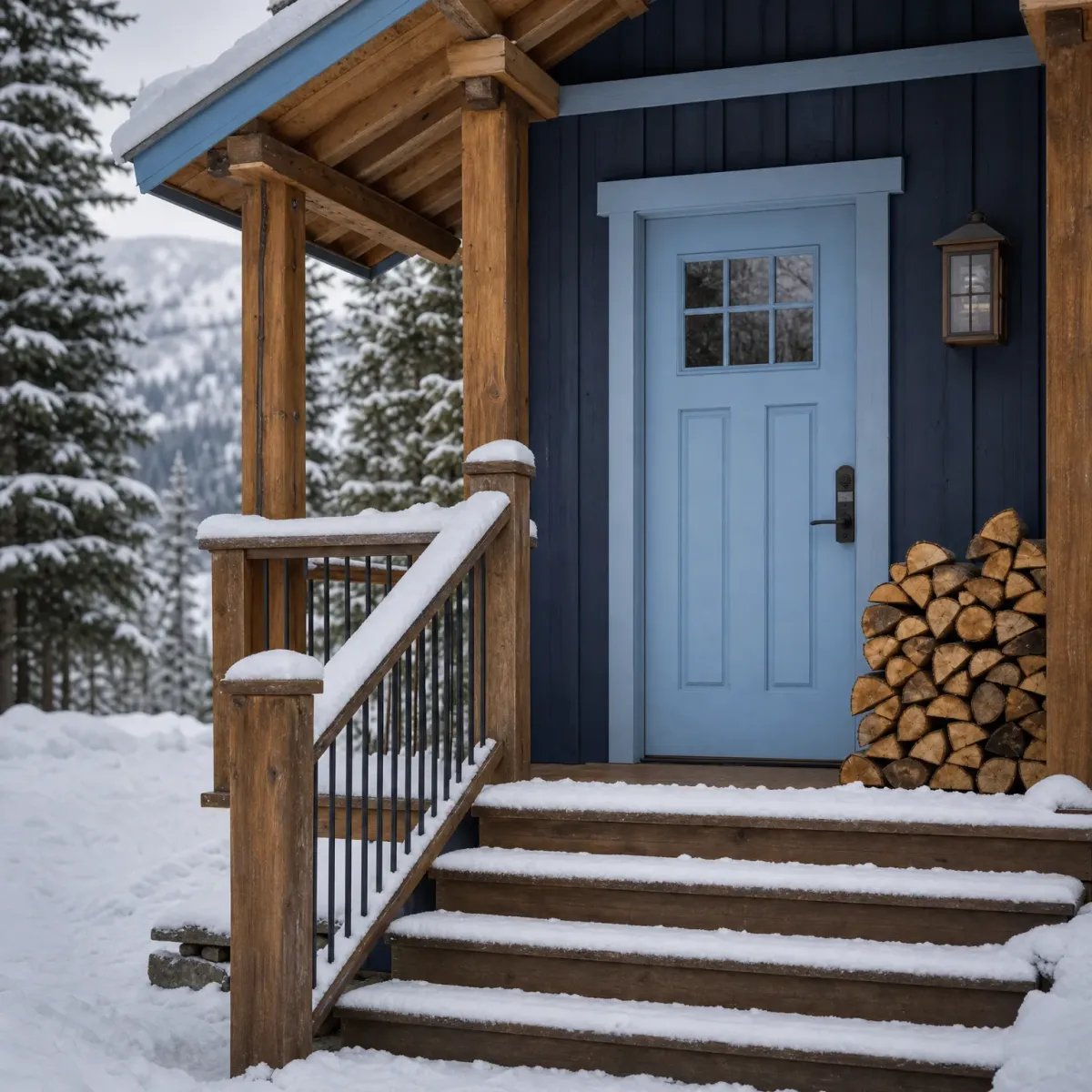
Snow-covered wooden steps and railing lead to a light blue door on a dark navy board-and-batten cabin, with stacked firewood, a wall lantern, and snowy conifers behind.

Common questions about heat pumps and furnaces

  • Can a heat pump heat a house through a Colorado winter?

    It can, but not at full strength on its own. A standard heat pump's output drops below 40°F and it often needs backup heat below about 35°F, and the average overnight low here in December through February is 16°F. Models with the ENERGY STAR Cold Climate rating hold onto more of their capacity in that kind of cold, so the specific unit matters more than the general answer.

  • Do I need backup heat with a heat pump here?

    Most homes here will need it. The average winter night runs 16°F, well past the point where a standard heat pump's output starts to fall short and backup heat often kicks in. A furnace already in the house, or electric resistance heat, is what usually fills that gap.

  • Can I keep my furnace and add a heat pump?

    Yes, and in Adams County that combination has a real job to do. Pair the two and the heat pump can carry the house through the milder nights, then hand off to the furnace once it drops toward freezing, which happens on about 155 nights a year here. That way the furnace only has to work on the cold end, where it's strongest.

  • Is a heat pump cheaper to run than a furnace in Adams County?

    No, not at Colorado's current prices. A furnace runs $1.26 per 100,000 Btu of heat here against $1.99 for a heat pump, both at federal minimum efficiency. That's gas priced at $10.09 per million Btu against electricity at $43.72, which is most of the gap.

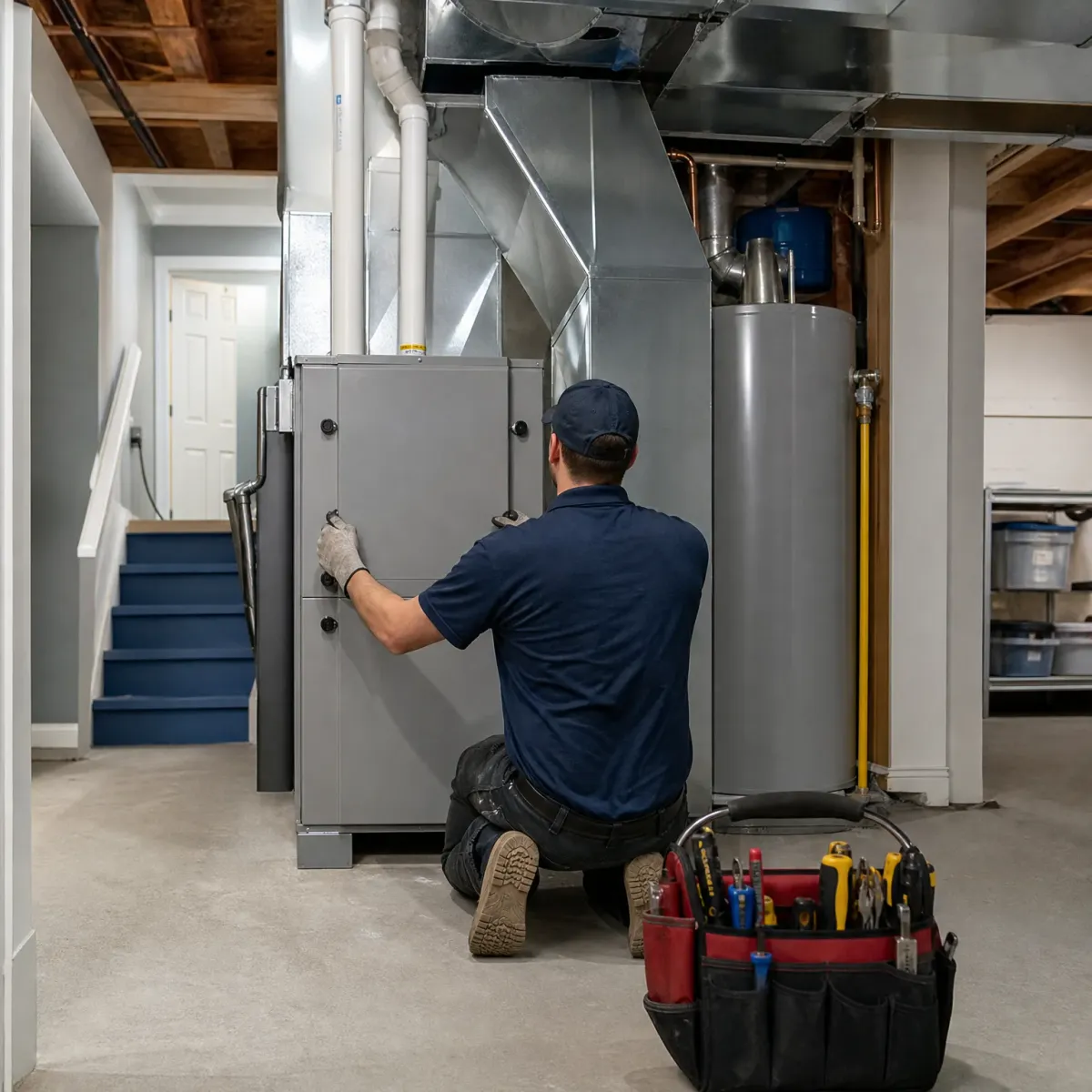
A person in a dark blue shirt and cap kneels on a basement floor opening the panel of a gray furnace beside sheet-metal ductwork and a water heater, with an open tool bag on the floor nearby.

Tell us about the job

Takes about a minute. No obligation.

Step 1 of 3: Equipment