


Heat pump vs furnace in Summit County, Colorado

Quote Both Systems

Get a price before you decide

Which costs less to run in Summit County?

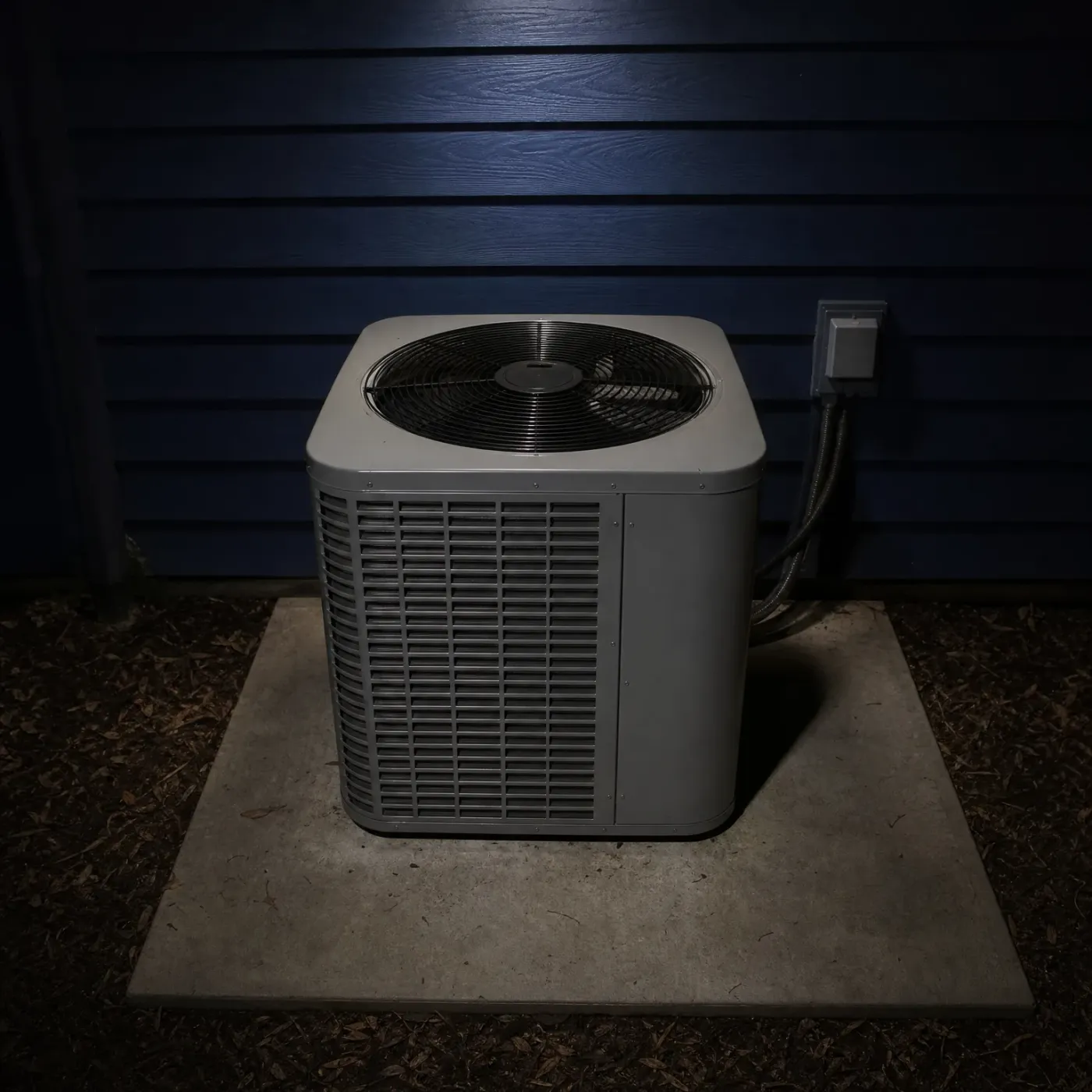
A gray outdoor condenser unit with a top-mounted fan sits on a concrete pad against dark blue horizontal lap siding at night, with a wall-mounted disconnect box and refrigerant lines to its right.

Heat pump

To heat your home here$1.99per 100,000 Btu

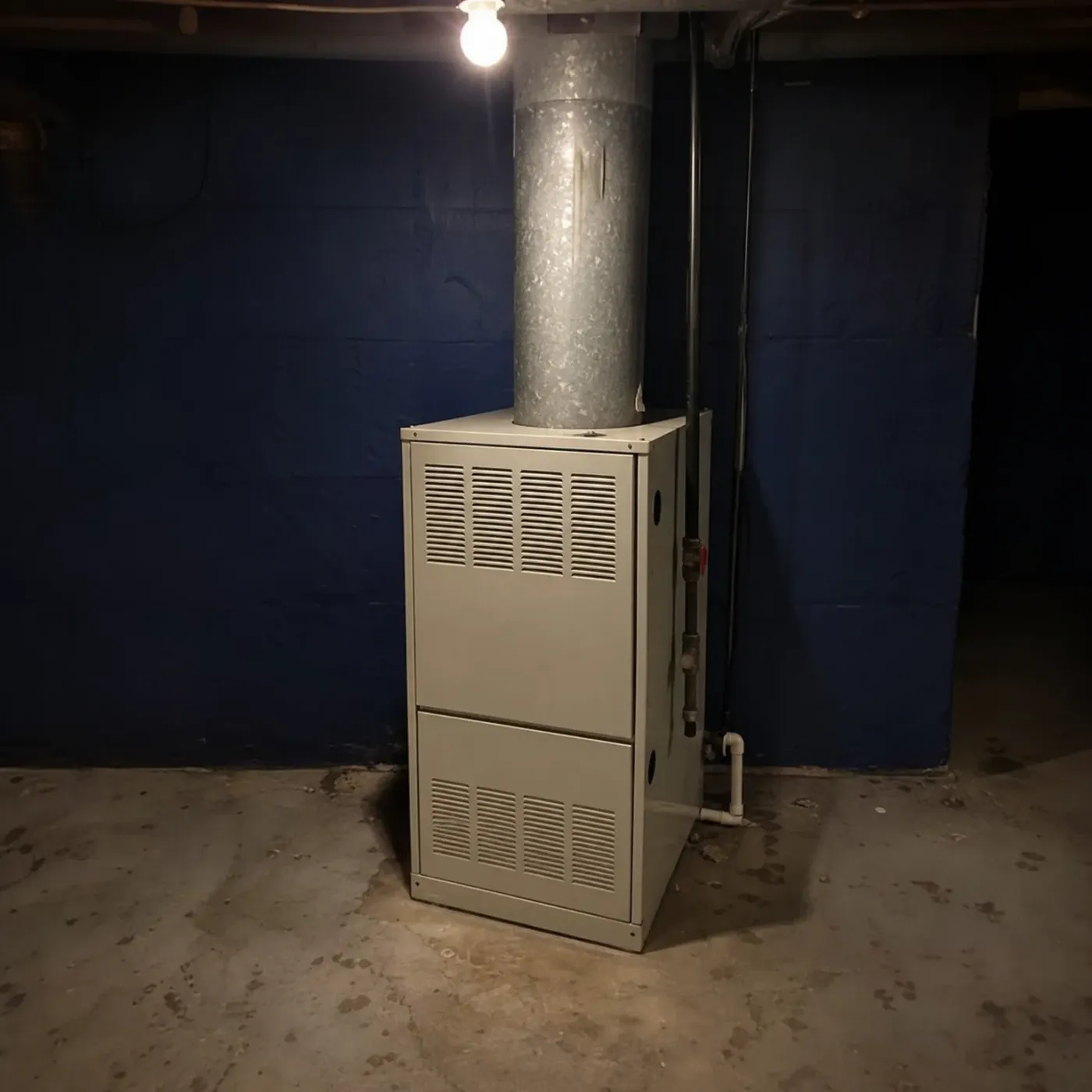
A beige furnace with louvered front panels stands on a concrete basement floor against a blue-painted block wall, with a galvanized metal flue pipe rising from its top and a bare bulb lit overhead.

Furnace

To heat your home here$1.26per 100,000 Btu

At Colorado's gas and electricity prices, a gas furnace makes the same heat as a heat pump for at least 36% less.

Btu stands for British thermal unit, the standard measure of heat energy.

Where does a heat pump shine?

  • Steady, even comfort

    It eases up and down with the weather. There are fewer swings between too warm and too cool.

    A golden-coated dog sleeps on a woven rug beside a lit wood stove, in front of a dark blue armchair with a grey knit throw, open book and cushion, near a frosted window and a bookshelf.
  • Heats and cools in one system

    A heat pump runs the same way all year. It pulls heat into the house in winter and pushes it out in summer.

    A living room with a white sofa and blue throw, navy built-in shelves holding pottery and books, a wooden coffee table with a bowl and green hydrangeas, and a large curtained window overlooking a garden.
  • No gas line, nothing burning in the house

    It moves heat instead of making it from fire. That means no combustion, no flue and no gas bill for heat.

    A kitchen island with a white countertop holding a black induction cooktop, a stainless steel kettle, a blue mug, a bowl of lemons and a potted plant, with navy cabinets, a wood shelf with plants and books, cutting boards and a blue bowl in the background.

Where does a furnace shine?

  • Strong, steady heat in hard cold

    Winter nights here average 8°F, and a furnace is built to put out hard heat right through that without losing ground. It burns gas to make heat directly, so a cold snap doesn't ask any more of it than a mild one does.

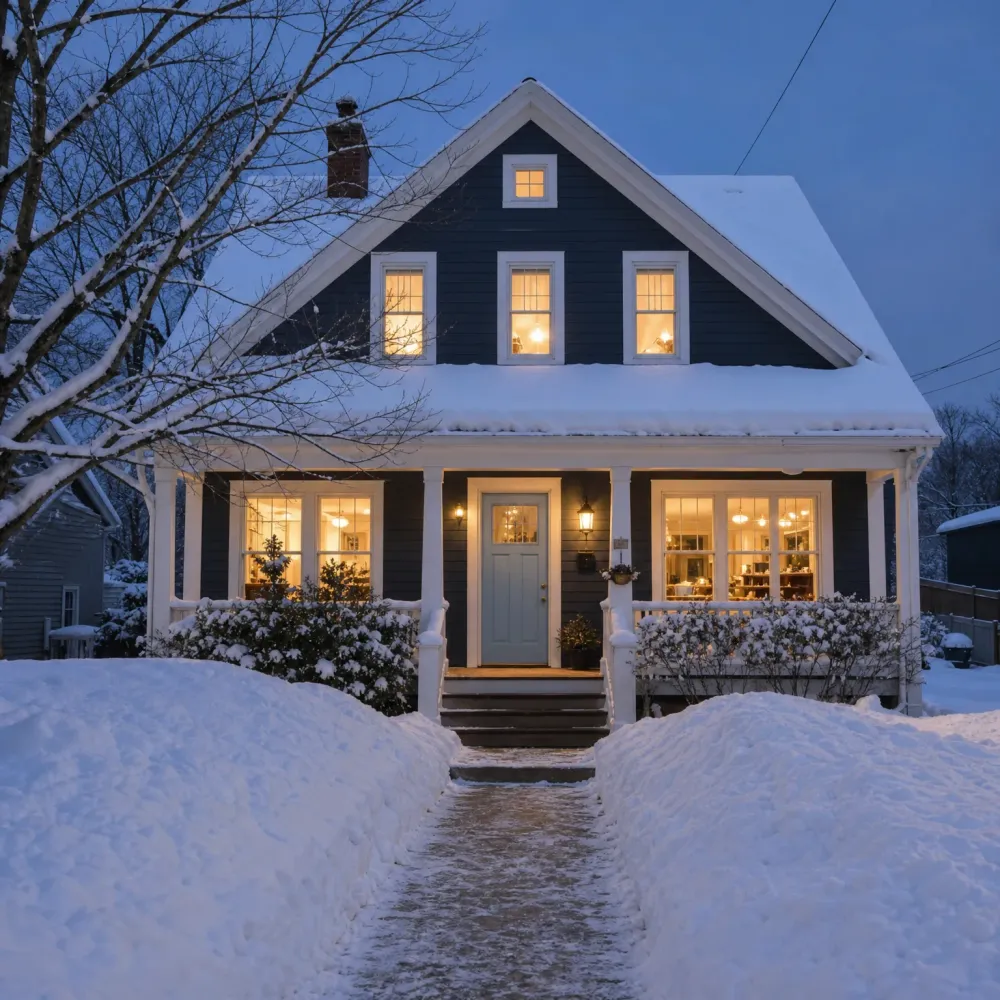
    A dark-sided two-story house with white trim and a covered front porch, its windows lit at dusk, with deep snow banked along a shoveled walkway to the steps and bare trees at left.
  • Runs on the gas most homes here already use

    Most homes in Summit County already have gas line run to them, almost 6 in 10. If yours is one of them, a furnace just hooks into what's already there.

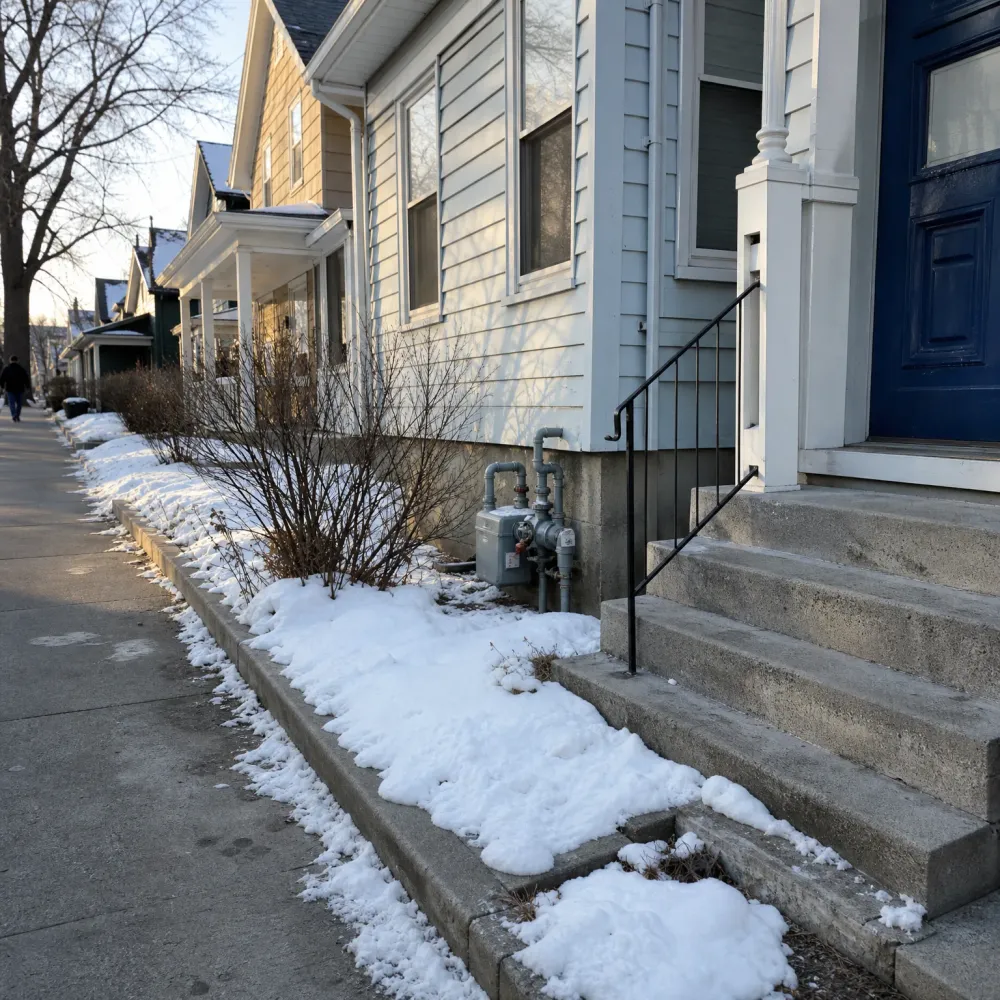
    A sidewalk beside a pale blue clapboard house with concrete front steps, a black metal handrail, a gas meter, bare shrubs, and melting snow along the strip, with a distant person walking on the sidewalk.
  • Fast, strong heat on demand

    Turn the heat up and the furnace answers right away. There's no long wait for the house to catch up.

    Entryway with a dark blue door, snowy trees seen through a window with a pale blue curtain, snow-dusted boots on a tile floor, a floor vent, and a steaming mug on a wooden bench with a blue fringed throw and coats on hooks.

What the cold here does to a heat pump

Winter nights in Summit County average 8°F. That is below both marks that matter for a heat pump. Below 40°F a standard heat pump puts out less heat than its rating says. Below about 35°F it often needs backup heat to make up the difference. The average winter night here is past both marks, and so is every single one of the roughly 260 nights a year that drop to freezing or below.

Thirty-five of those nights reach 0°F or colder. A standard heat pump, the kind built to the federal minimum, is not built for a winter shaped like this one. The ENERGY STAR Cold Climate rating exists for that reason. To carry it, a heat pump has to prove it still makes at least 1.75 units of heat per unit of electricity at 5°F, and keep at least 70 percent of its warm-weather capacity at that temperature, checked by outside testing.

A two winter field test of cold-climate heat pumps in occupied homes found backup heat covered only a small share of the load between 0°F and 35°F, and the system rarely ran on backup alone even at 0°F. That is what a heat pump built for this kind of cold can do. The federal-minimum version priced in the cost comparison above is not that machine.
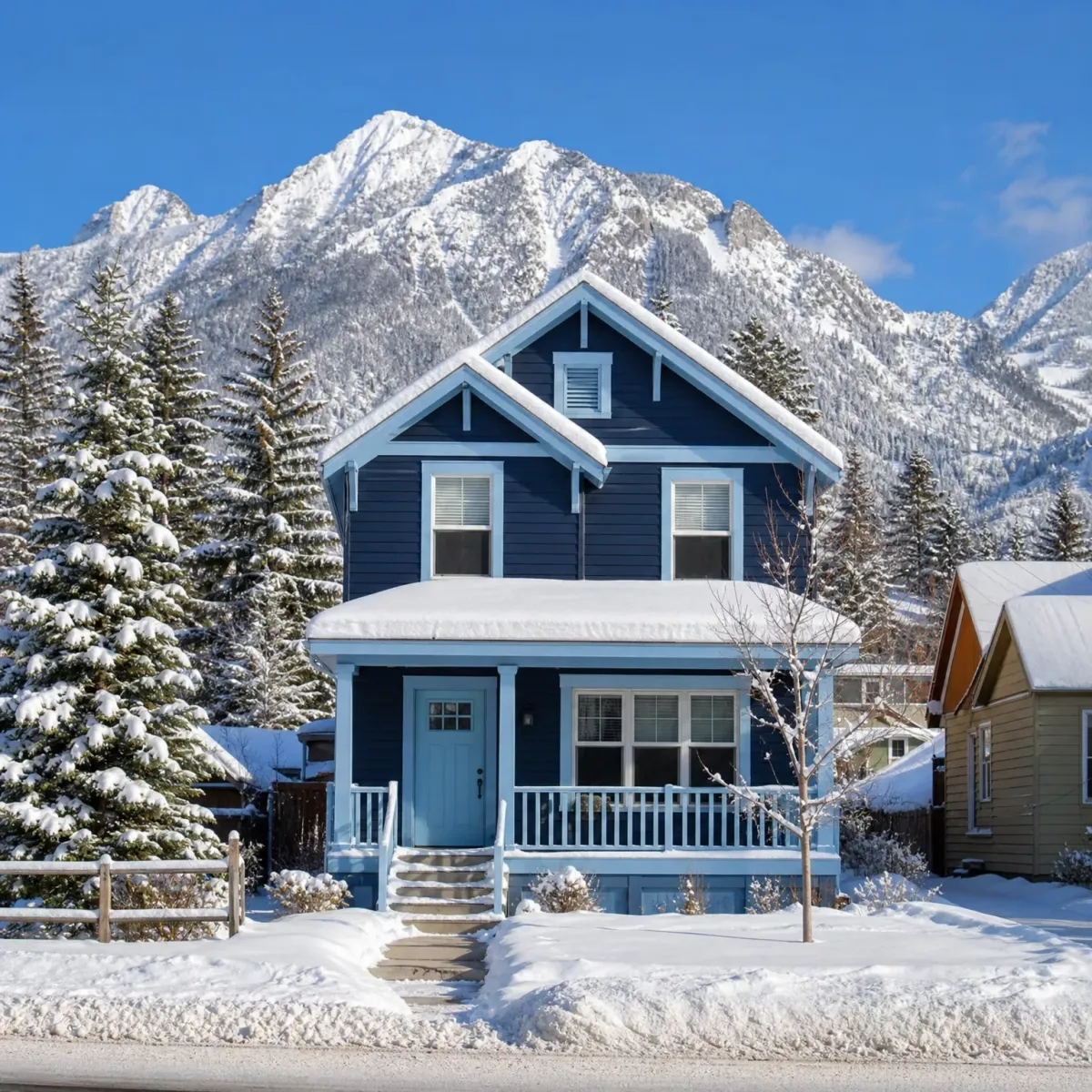
A two-story navy blue house with light blue trim, a covered front porch and snow-covered roof, flanked by snowy conifers with a snow-covered mountain ridge behind it under a clear blue sky.

What each one costs to run, and what homes here already have

At Colorado's own prices a gas furnace costs less to run here: $1.26 per 100,000 Btu against $1.99 for a heat pump built to the federal minimum. That gap is before any backup heat gets added for the coldest nights, and in a county where every night at or below freezing is colder than the point where a standard heat pump starts leaning on backup, those nights add up.

Utility gas already heats close to three in five homes in Summit County. Electricity heats about one in three. A furnace runs on the fuel most homes here already use. If your house is already piped for gas, that is one less system to add.

Summer afternoons here average 68°F, and Summit County has no real cooling season. Elsewhere a heat pump earns part of its keep by cooling the house in summer after heating it all winter. That does not apply here. The choice comes down to the cold months: a standard heat pump falls short of its rated output below 40°F and runs short of backup below 35°F, both marks this county sits past on an average winter night. A furnace holds its output regardless of the temperature outside, and so does a cold-climate heat pump built and tested for weather like this.

Sources: NOAA nClimDiv · NOAA 1991–2020 seasonal normals · EIA SEDS 2024 · 10 CFR 430.32 · PNNL Building America guide · PNNL-37127 field study · ENERGY STAR product criteria · Census ACS 2020–2024

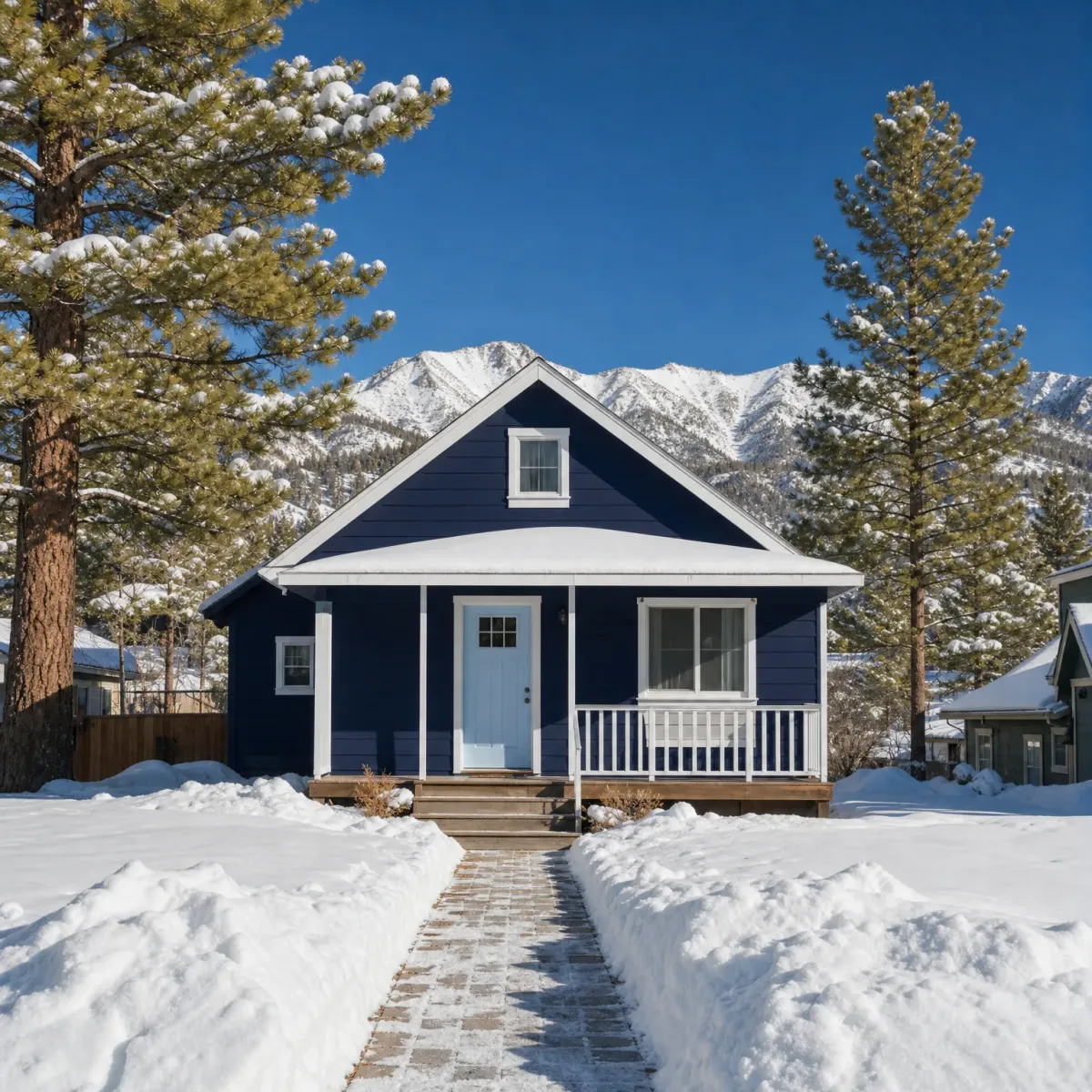
A small navy-blue house with white trim, a covered porch and light blue front door, with a cleared paved walkway through deep snow, pine trees on either side and snow-covered mountains under a clear blue sky.

Common questions about heat pumps and furnaces

  • Can a heat pump heat a house through a Colorado winter?

    Yes, but a standard heat pump needs help to do it. Below 40°F it puts out less heat than its rating, and the overnight low here averages 8°F across December, January and February. A cold climate model holds up better in that range, but either way most homes here pair a heat pump with a backup heat source for the coldest nights.

  • Do I need backup heat with a heat pump here?

    Most homes here need it. A standard heat pump's efficiency drops below about 35°F outside, and the overnight low here falls to freezing or below on about 260 nights a year, well past that mark. Without backup, those are the nights a heat pump would struggle to keep the house warm.

  • Can I keep my furnace and add a heat pump?

    Yes, and that is how most heat pump installs work in this county. The heat pump carries the heating load most of the year, and the furnace takes over once it gets too cold for the heat pump to keep up, usually somewhere below 35°F. The furnace you already have can often serve as that backup rather than adding one.

  • Is a heat pump cheaper to run than a furnace in Summit County?

    No, not here. A gas furnace runs $1.26 per 100,000 Btu of heat in Summit County against $1.99 for a heat pump, so the furnace costs less to run at Colorado's current fuel prices. That gap also leaves out the backup heat a heat pump needs on the coldest nights, which would add to its cost.

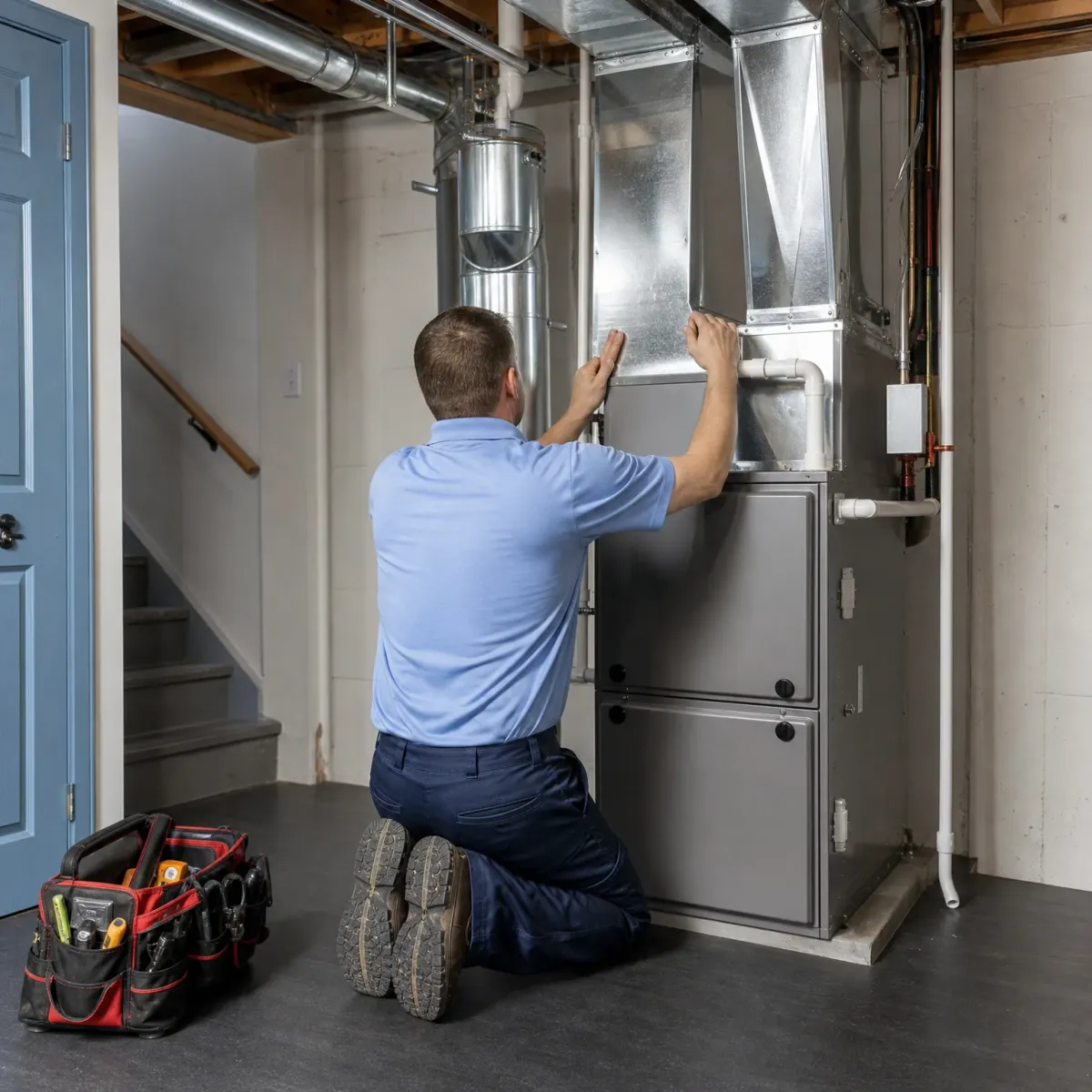
A man in a light blue polo shirt and dark jeans kneels in a basement, holding a panel on a gray furnace connected to sheet-metal ductwork, with an open tool bag on the floor nearby.

Tell us about the job

Takes about a minute. No obligation.

Step 1 of 3: Equipment