

What the cold here does to a heat pump
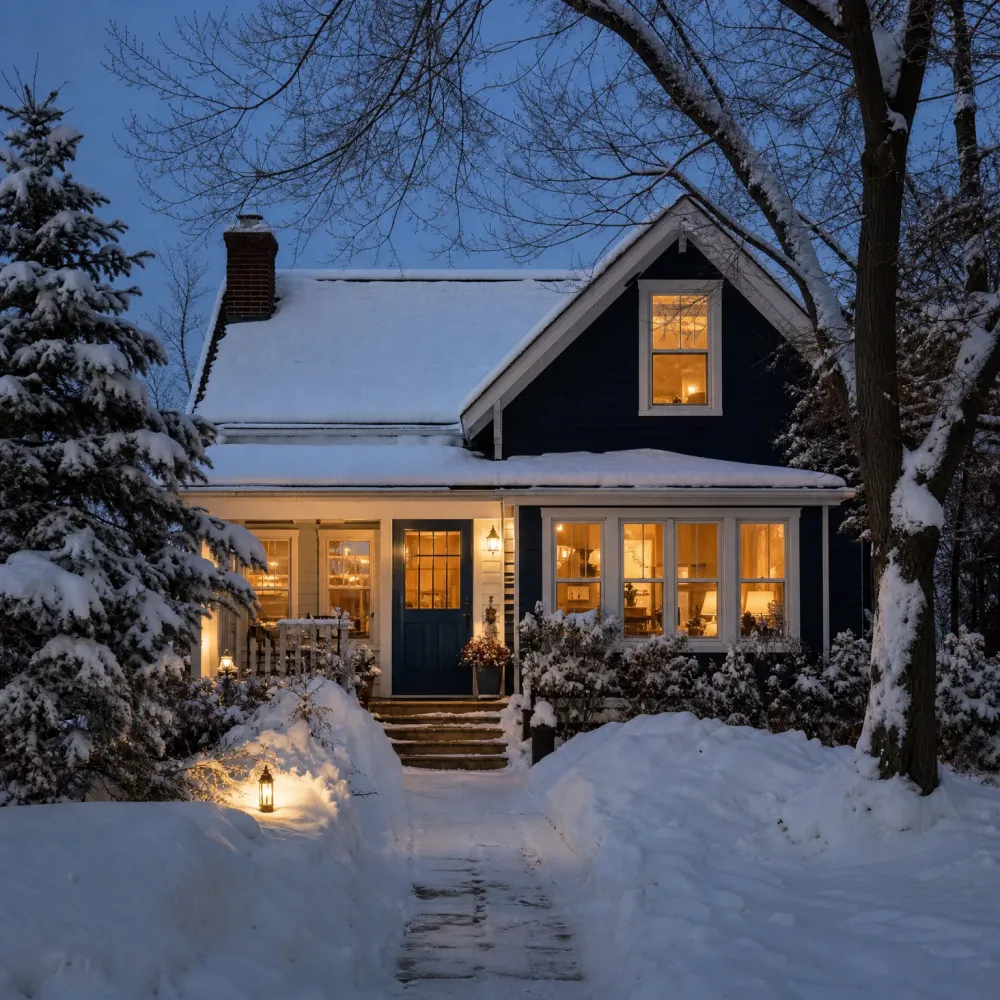
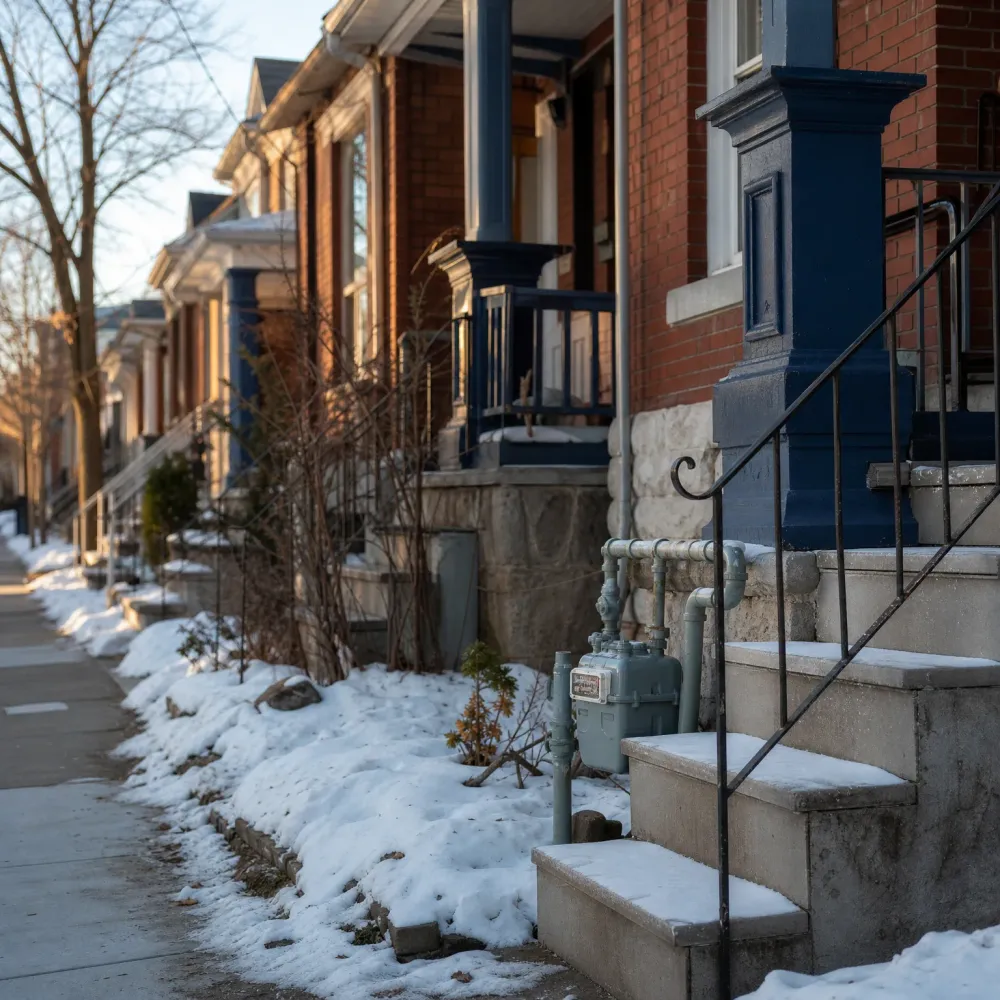
Winters here decide this. The heat runs nine months a year, September through May, and the overnight low averages 18°F in December, January and February. That number matters because a standard heat pump starts losing ground below 40°F and often needs backup heat below about 35°F. Here, both marks sit above your average winter night, not below it. About 135 nights a year drop to freezing or colder, roughly half the nights in heating season, and every one of them is already past both marks.
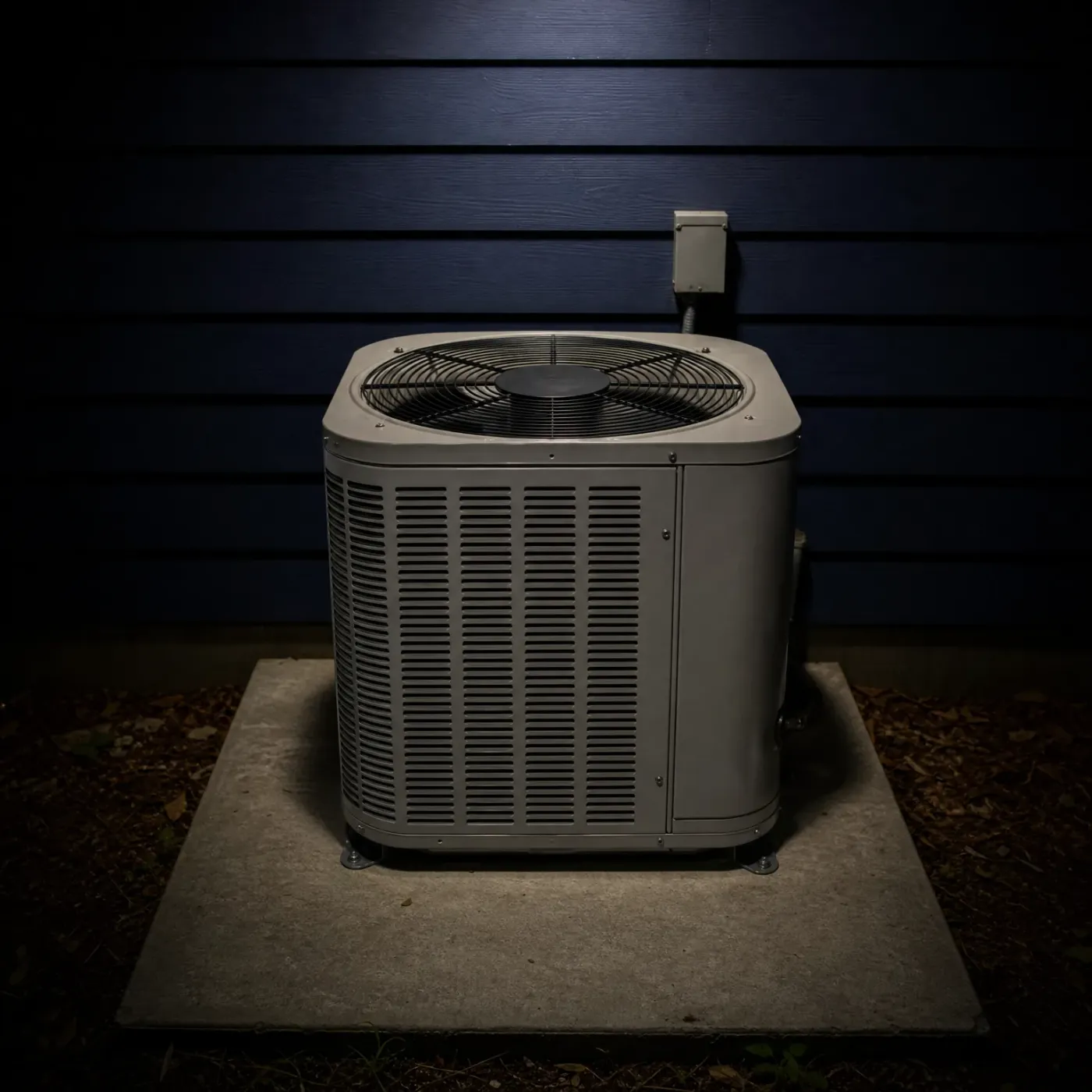
That doesn't mean a heat pump quits. It means a standard one leans on backup heat for a large part of the winter, not just a few cold snaps. If you're looking at a standard heat pump, expect that backup heat, usually electric resistance, to carry real weight on half your winter nights.
A cold-climate heat pump is built for exactly this. To earn the ENERGY STAR Cold Climate label, it has to keep making at least 1.75 units of heat per unit of electricity at 5°F, and hold onto 70 percent of its 47°F capacity at that same temperature, checked by outside testing. In field tests of prototype cold-climate units running in occupied homes over two winters, backup heat covered only a small share of the heat needed between 0°F and 35°F, and the units running on backup alone was rare even above 0°F. That is the gap between a standard heat pump and one built for this kind of cold. Only about 3 nights a year here reach 0°F, so even a cold-climate heat pump is rarely pushed to its hardest mark.