

Heat pump vs furnace in Pueblo County, Colorado

Start My Quote

Installers who work in Pueblo County

Which costs less to run in Pueblo County?

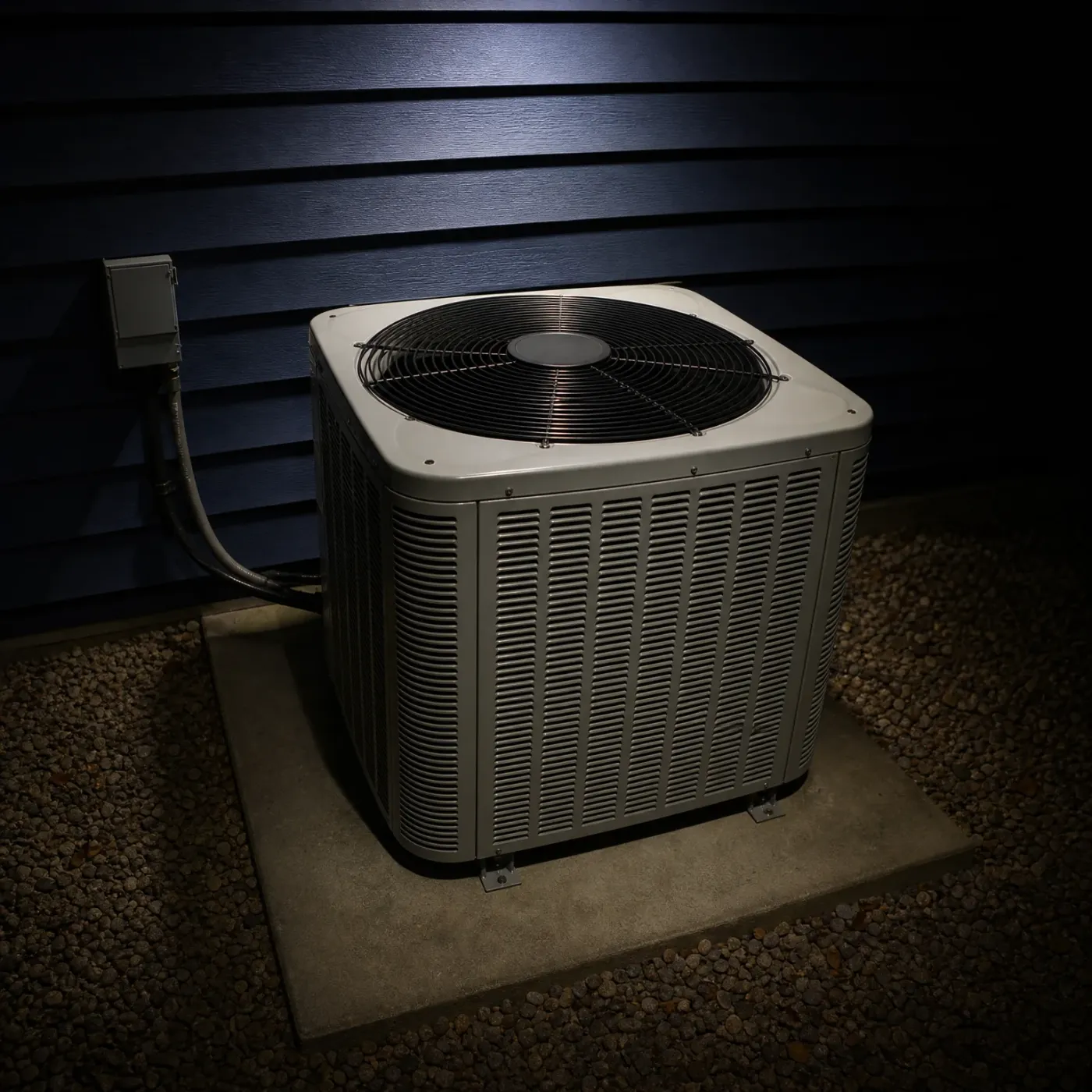
An outdoor air conditioner condenser unit with a top fan grille sits on a concrete pad surrounded by gravel, next to dark horizontal siding with a wall-mounted disconnect box and refrigerant lines.

Heat pump

To heat your home here$1.99per 100,000 Btu

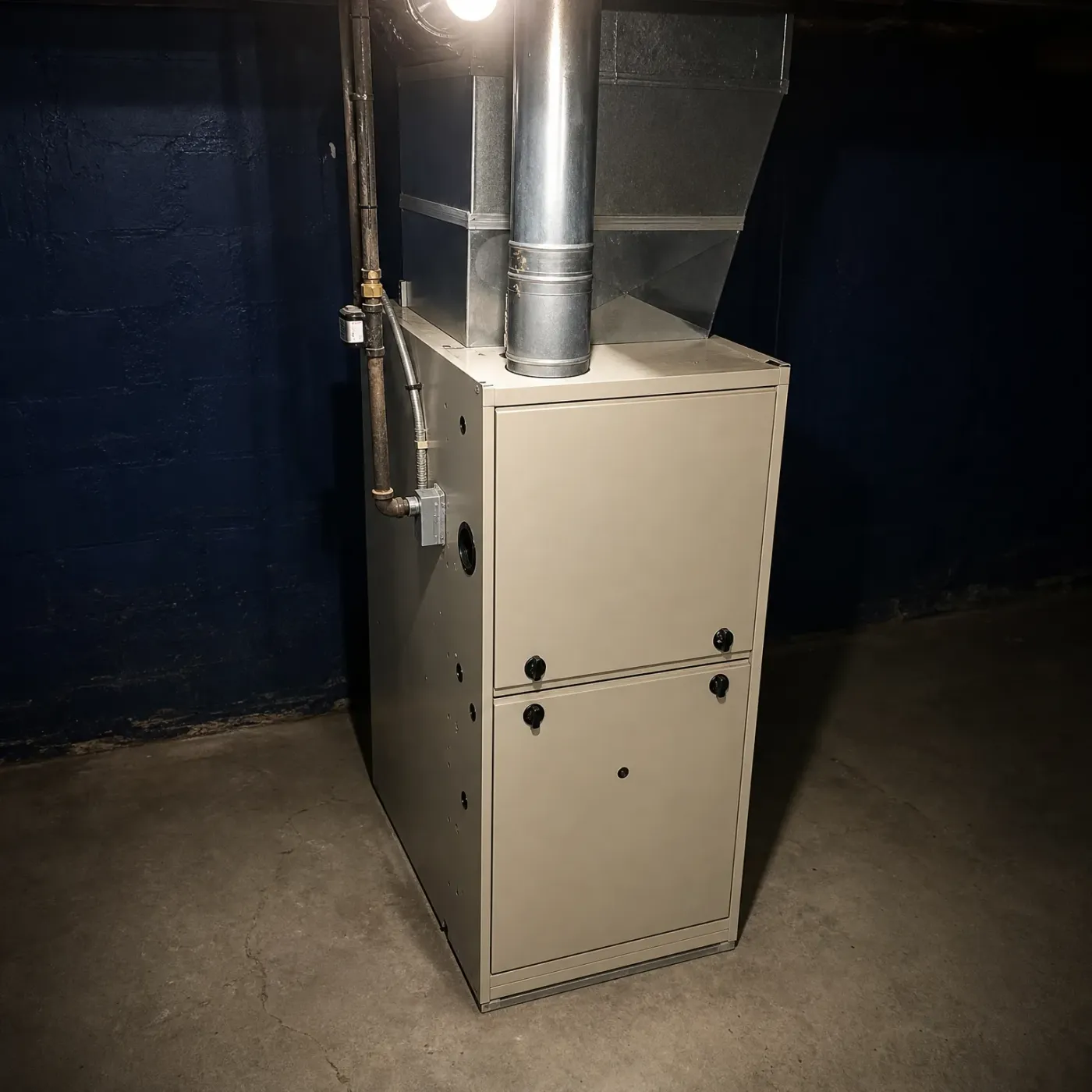
A beige residential furnace in a basement with a metal flue pipe and sheet-metal ductwork above it, next to a dark blue painted block wall and gas piping, on a concrete floor.

Furnace

To heat your home here$1.26per 100,000 Btu

At Colorado's gas and electricity prices, a gas furnace makes the same heat as a heat pump for at least 36% less.

Btu stands for British thermal unit, the standard measure of heat energy.

Where does a heat pump shine?

  • Heats and cools in one system

    A heat pump runs the same way all year. It pulls heat into the house in winter and pushes it out in summer.

    A cream sectional sofa with navy and light blue cushions and a fringed blue throw sits beneath a white-framed window overlooking green garden foliage, with a rustic wooden coffee table holding a vase of flowers, a blue mug on a book, and a wooden bowl, beside a dark blue built-in cabinet.
  • Steady, even comfort

    It eases up and down with the weather. There are fewer swings between too warm and too cool.

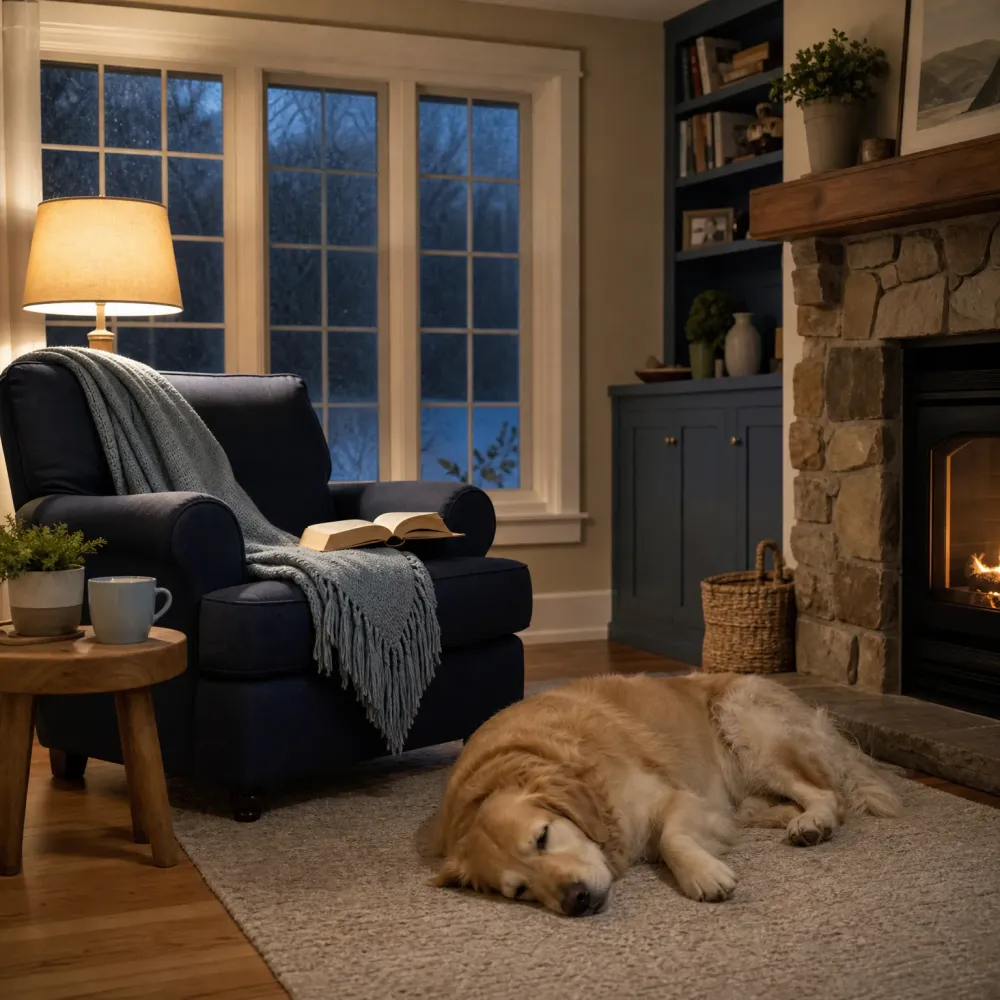
    A dimly lit living room at night with a navy armchair holding an open book and a knitted throw, a lit table lamp, a stone fireplace with a fire, built-in blue shelving, and a golden retriever sleeping on a light rug.
  • No gas line, nothing burning in the house

    It moves heat instead of making it from fire. That means no combustion, no flue and no gas bill for heat.

    A navy blue whistling kettle sits on a black induction cooktop set into a light stone island with navy cabinets, with wooden open shelves holding bowls and plants, a stainless steel refrigerator, and a window with green trees behind.

Where does a furnace shine?

  • Strong, steady heat in hard cold

    Winter nights here average 19°F, and that's the kind of cold where a furnace just keeps putting out hot air without slowing down. You won't notice it working harder, the heat stays steady no matter how far the temperature drops.

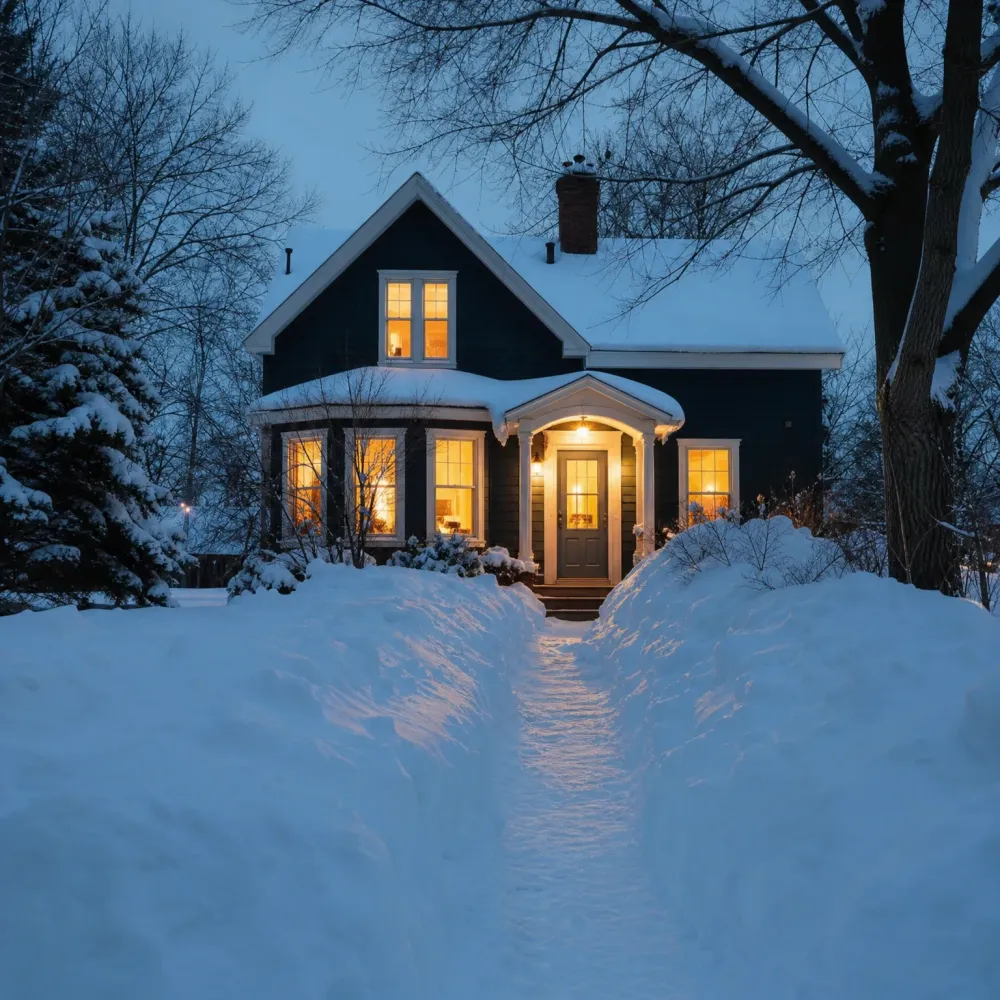
    A dark-sided two-story house with lit windows and a small covered porch at dusk, fronted by a narrow shoveled path through deep snow, with bare trees and evergreens around it.
  • Runs on the gas most homes here already use

    Most homes in Pueblo County already have a gas line run to them, so a furnace just hooks into what's there. No new fuel source to add, no separate electrical work to size up for it.

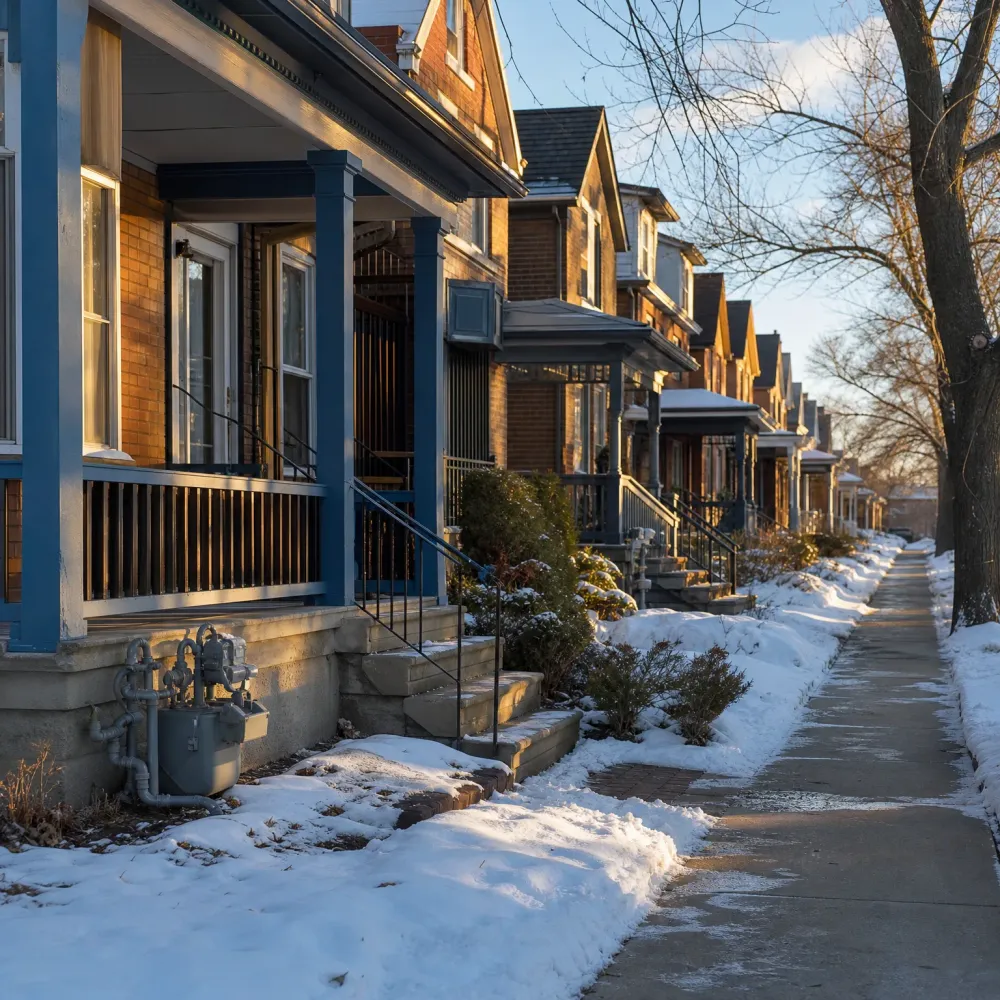
    A row of brick houses with covered porches, blue-painted posts and railings, and metal gas meters, beside a cleared sidewalk bordered by snow and bare trees in low sunlight.
  • Fast, strong heat on demand

    A furnace pushes out hot air within minutes of switching on. A cold house warms up fast.

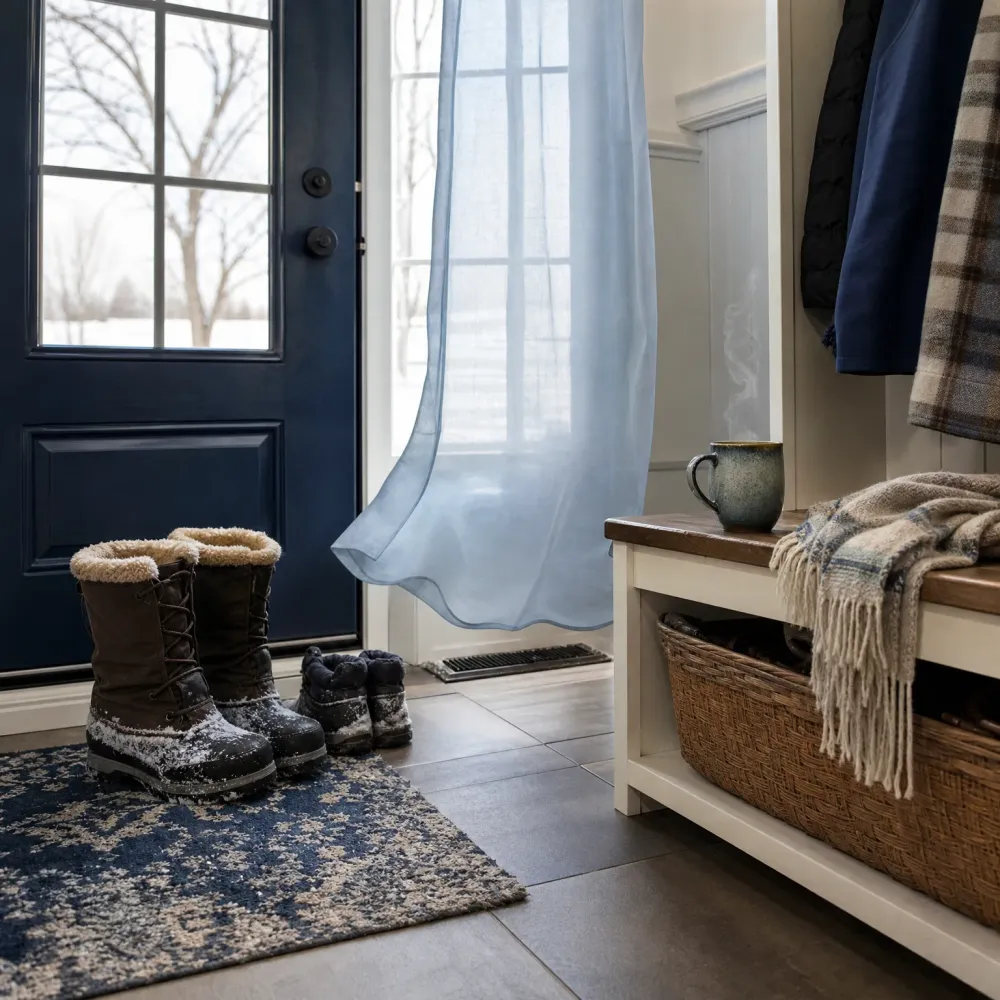
    An entryway with a dark blue door and snowy trees outside, snow-dusted winter boots and smaller boots on a patterned rug, a floor vent, a sheer blue curtain, a white bench with a wicker basket, a fringed plaid throw, a steaming mug, and coats hanging on the wall.

What the cold here does to a heat pump

Your winter low here averages 19°F, and that's the number that decides this. A standard heat pump starts losing heat output below 40°F, and below about 35°F it usually needs backup heat to keep up. Pueblo County's average night is below both marks. This isn't a rare cold snap you're planning around. It's most nights, all winter.

Of the roughly 245 nights your heat runs each year here, about 155 drop to freezing or below. That's over half the heating season spent below the point where a standard heat pump is already working harder than its rating suggests. Only about 5 nights a year hit 0°F, so the deep cold is rare. The ordinary cold isn't.

There's a real fix for this: heat pumps built and tested for cold climates hold onto far more of their capacity at low temperatures, and in field testing, homes with these units needed backup heat for only a small share of the hours between 0°F and 35°Field, and almost never ran on backup alone above 0°F. A standard heat pump sized to the federal minimum doesn't carry that rating. If you're looking at a heat pump here, which one it is matters more than the fact that it's a heat pump.
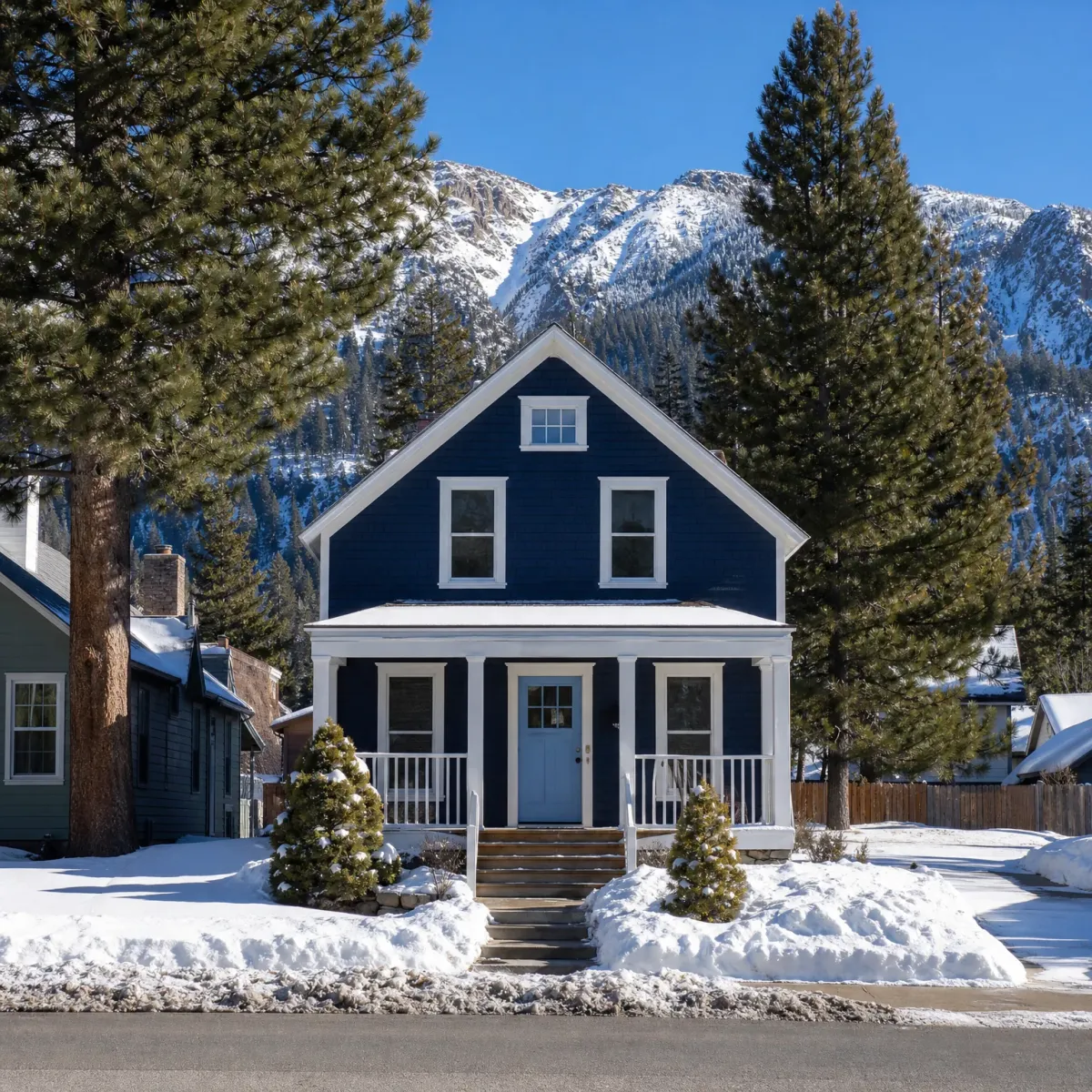
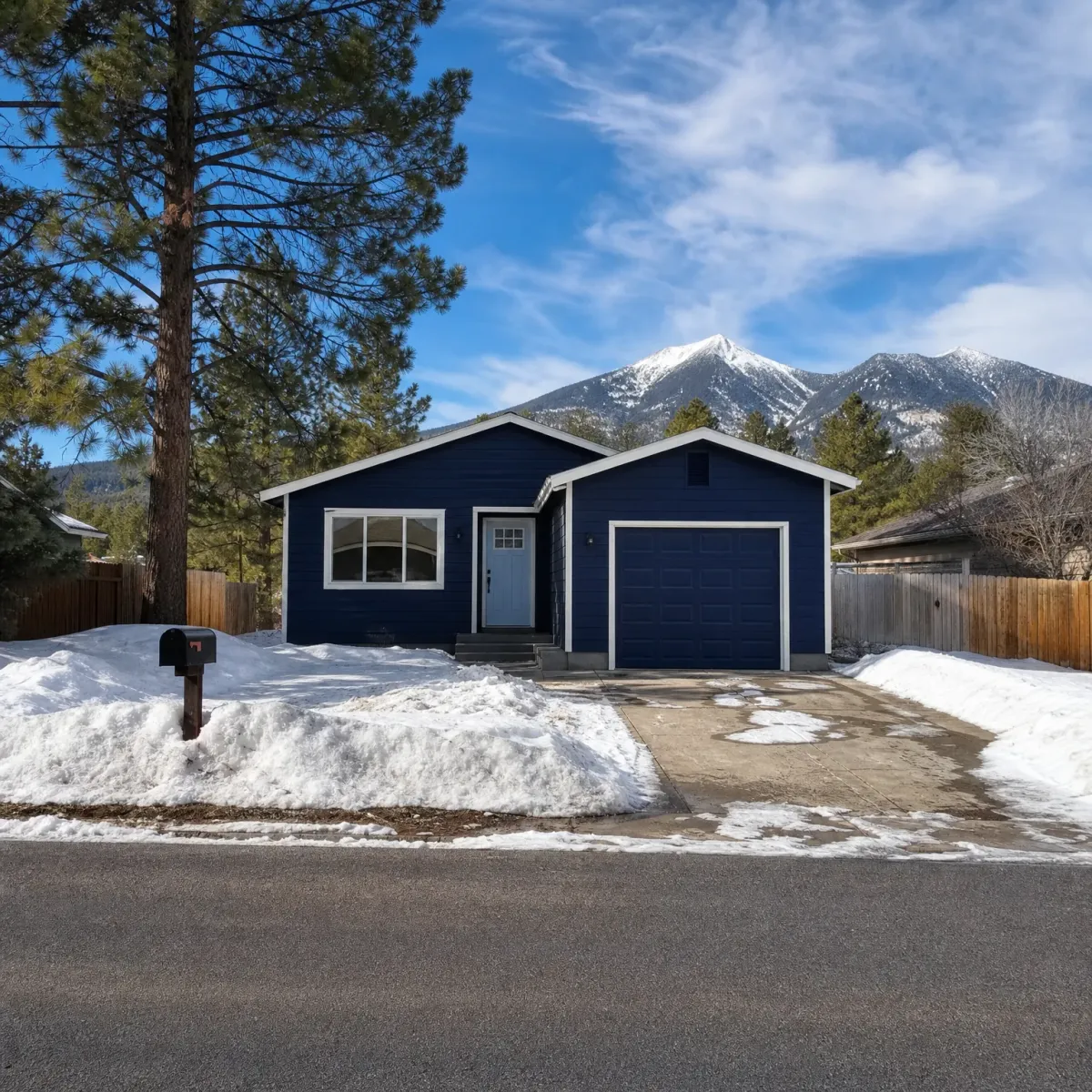
A dark blue two-story house with white trim and a covered front porch stands behind snow-covered ground, with tall pine trees and a snowy mountain ridge under a clear blue sky.

What it costs to run, and what already heats this county

A gas furnace is cheaper to run here: $1.26 per 100,000 Btu against $1.99 for a heat pump at the federal minimum, using Colorado's average fuel prices. That gap doesn't include backup heat, which a standard heat pump will lean on for a good part of the winter here. The real gap, backup heat included, runs wider than the number above.

Three in four homes in Pueblo County already heat with gas. That's not an argument on its own, but it means the gas line and the ductwork a furnace needs are already the common setup here, not something most homeowners are adding from scratch.

Heating runs eight months a year here, October through May. Cooling runs three, June through August, with highs hitting 90°F or above on about 65 days a year. A furnace does nothing for those three months. A heat pump heats and cools with one system, so if your AC is also due for a look, that's a real point in its favor, not a side benefit. The choice comes down to this: a furnace costs less to run and matches how most of this county already heats. A heat pump earns its place if it's a cold-climate model that can actually carry the winter here, and if running one system for both heat and air is worth paying more to run it.

Sources: NOAA nClimDiv · NOAA 1991–2020 seasonal normals · Census ACS 2020–2024 · EIA SEDS 2024 · 10 CFR 430.32 · PNNL Building America guide · PNNL-37127 field study · ENERGY STAR product criteria

A single-story navy blue house with white trim, a one-car garage and a concrete driveway, surrounded by snow, pine trees, a wood fence, and snow-capped mountains in the background.

Common questions about heat pumps and furnaces

  • Can a heat pump heat a house through a Colorado winter?

    It can, but not on its own in most of Pueblo County's winter nights. Below about 35°F a standard heat pump typically needs backup heat, and about 155 nights a year here drop to freezing or below. Cold climate models hold more of their capacity down to 5°F, but anyone choosing a standard heat pump should plan for backup on the coldest nights.

  • Do I need backup heat with a heat pump here?

    For a standard heat pump, yes. Its heating efficiency drops below about 35°F and its output falls short of the rating below 40°F, and the overnight low here averages 19°F across December, January and February. A cold climate heat pump needs it less, since it's tested to hold at least 70 percent of its capacity at 5°F, but backup still covers the rare night near 0°F, which happens about 5 times a year here.

  • Can I keep my furnace and add a heat pump?

    Yes, and in Pueblo County it solves the one weak spot a heat pump has here. A standard heat pump's output falls below its rating once it's under 40°F outside, and the average overnight low in December, January and February is 19°F. Pairing it with the furnace you already have means the furnace carries those cold nights while the heat pump handles the rest of the year.

  • Is a heat pump cheaper to run than a furnace in Pueblo County?

    No, a furnace costs less to run here. Heating with gas runs $1.26 per 100,000 Btu against $1.99 for a heat pump, both at the federal minimum efficiency and Colorado's average fuel prices. That gap comes from Colorado's gas being cheap relative to electricity, not from either machine making less heat.

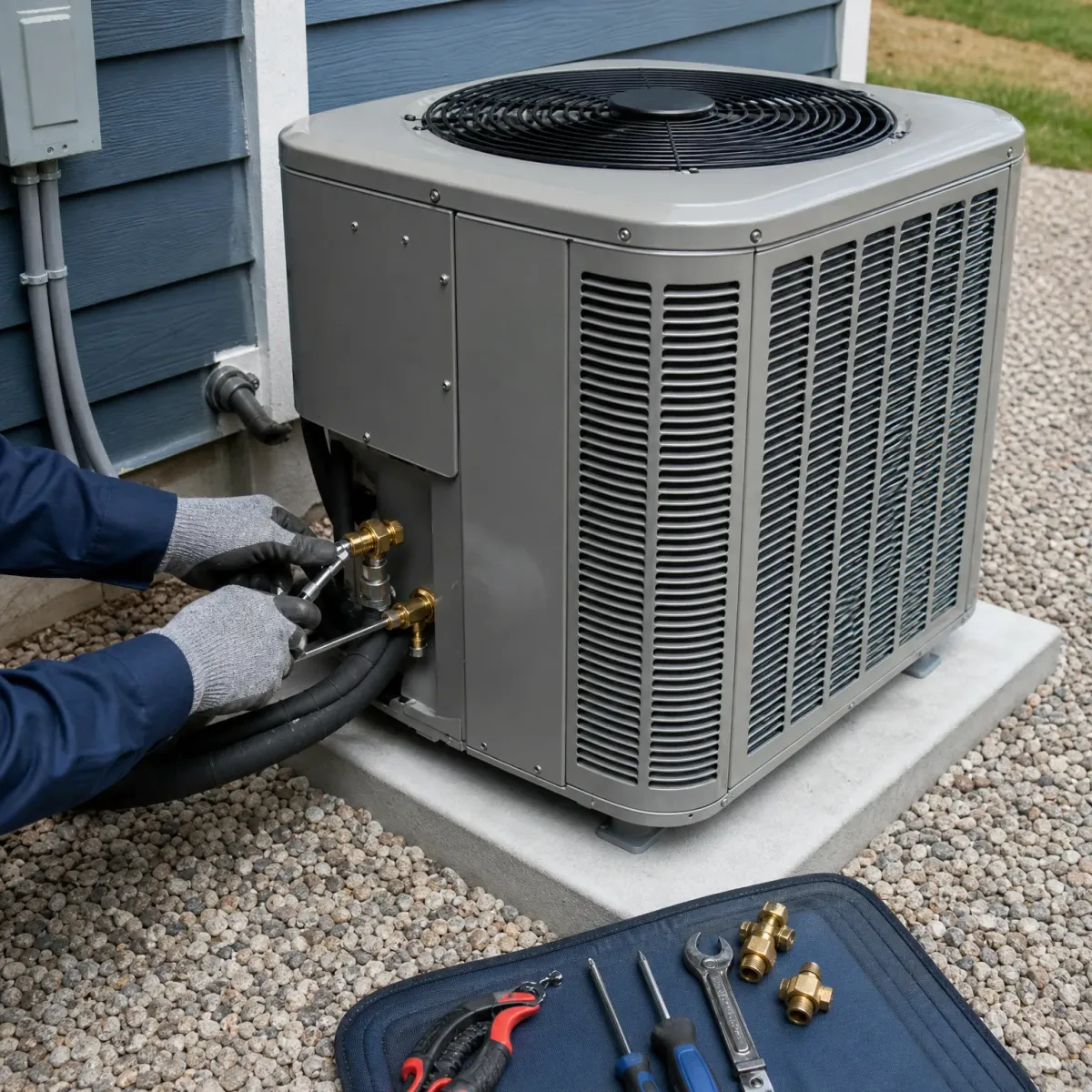
Gloved hands attach a hose with brass fittings to the service valves of a gray outdoor air conditioning condenser on a concrete pad, with a tool roll holding a wrench, screwdrivers, pliers and brass fittings on gravel in the foreground.

Tell us about the job

Takes about a minute. No obligation.

Step 1 of 3: Equipment