Heat pump vs furnace in Conejos County, Colorado

Get Matched With a Pro

Replacement quotes in Conejos County

Which costs less to run in Conejos County?

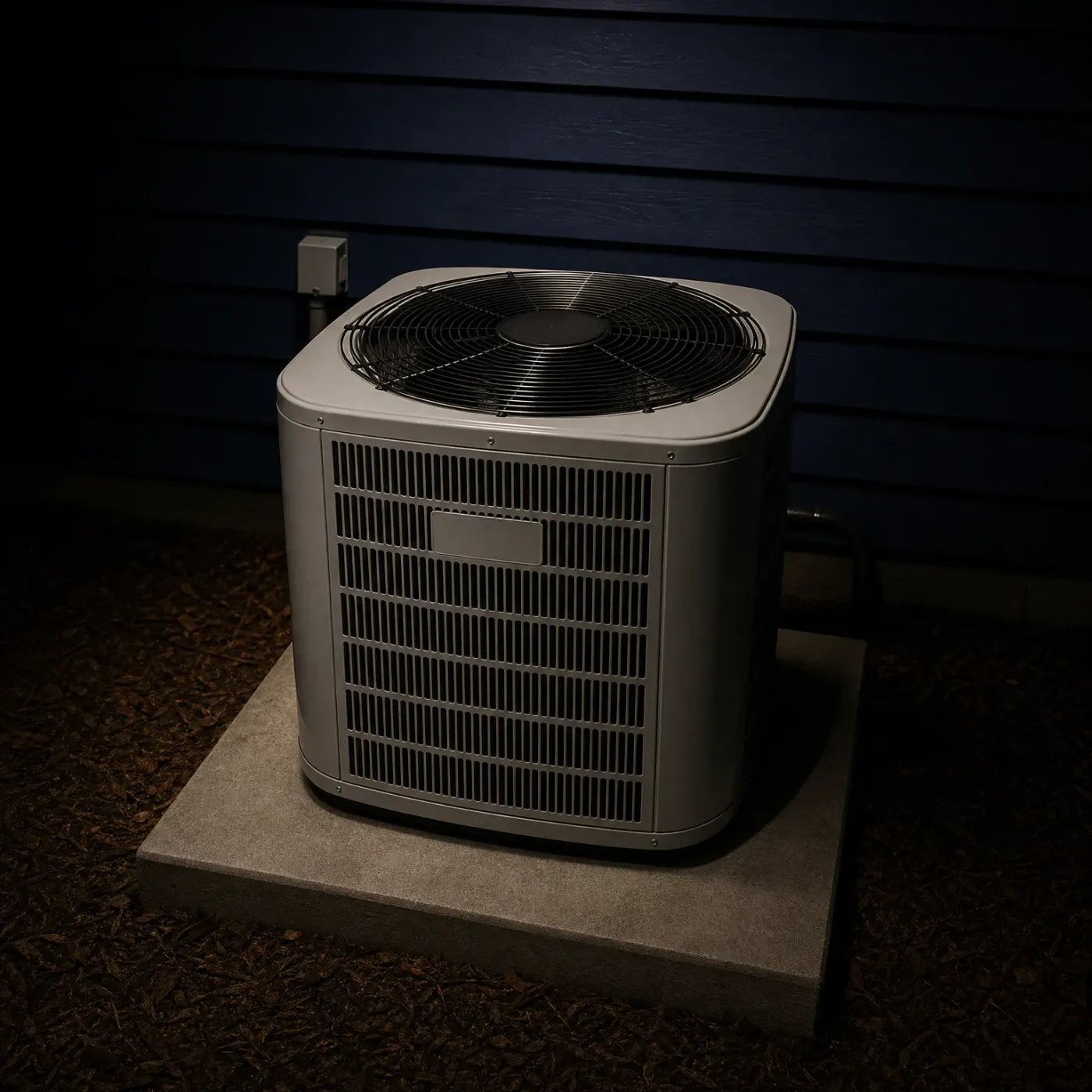
An outdoor air conditioning condenser unit with a top-mounted fan grille sits on a concrete pad surrounded by mulch, against dark horizontal siding at night.

Heat pump

To heat your home here$1.99per 100,000 Btu

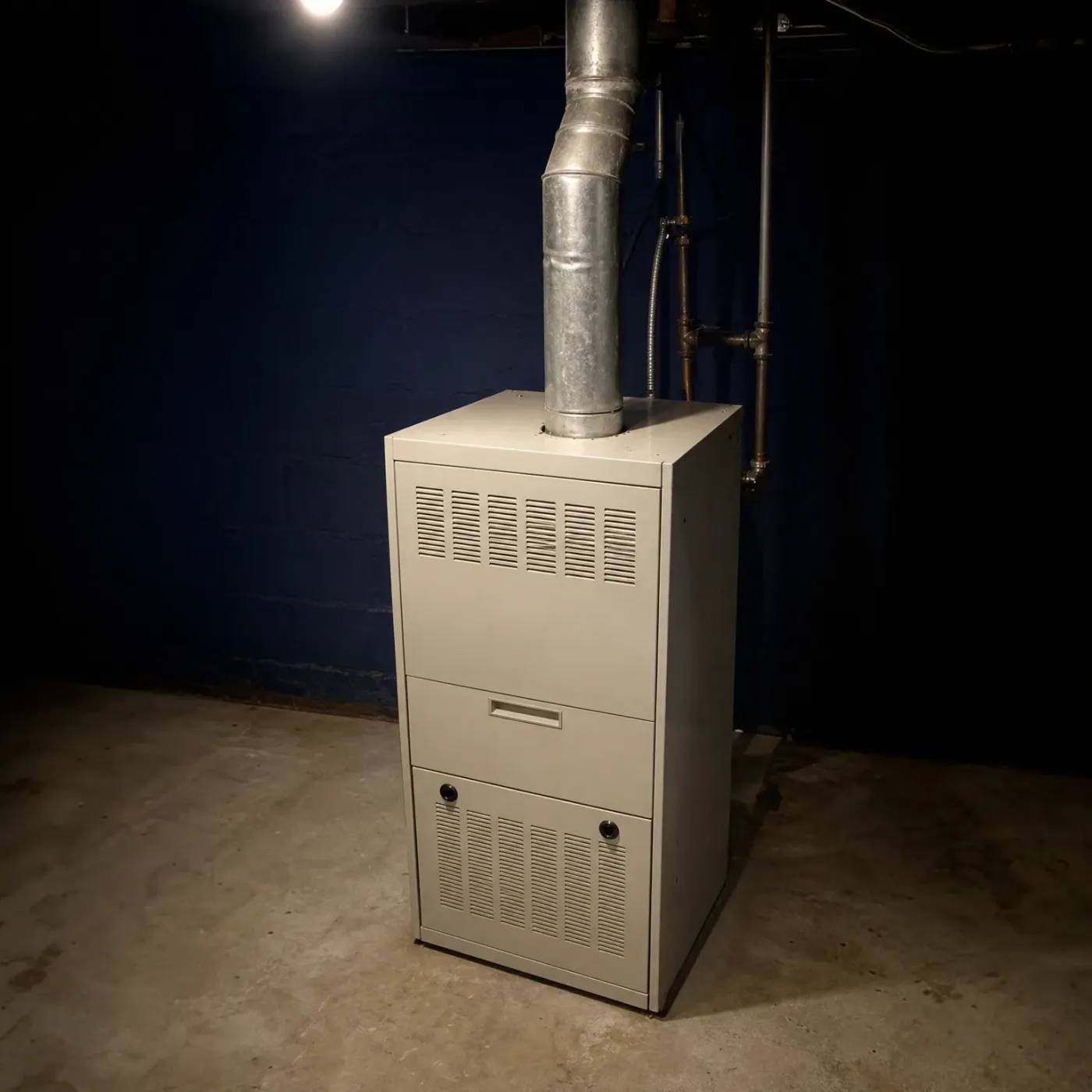
A beige residential furnace with louvered panels stands on a concrete basement floor against a dark blue painted block wall, with a galvanized metal flue pipe rising from its top and copper and steel pipes along the wall.

Furnace

To heat your home here$1.26per 100,000 Btu

At Colorado's gas and electricity prices, a gas furnace makes the same heat as a heat pump for at least 36% less.

Btu stands for British thermal unit, the standard measure of heat energy.

Where does a heat pump shine?

  • No gas line, nothing burning in the house

    It moves heat instead of making it from fire. That means no combustion, no flue and no gas bill for heat.

    A kitchen with a navy blue island topped by a white stone counter holding a black induction cooktop, a white kettle, green apples on a wooden tray and a blue striped towel, with pale grey cabinets, a window, a potted plant and a wooden stool nearby.
  • Heats and cools in one system

    Winter and summer are covered by the same outdoor unit. That's one machine to service instead of two.

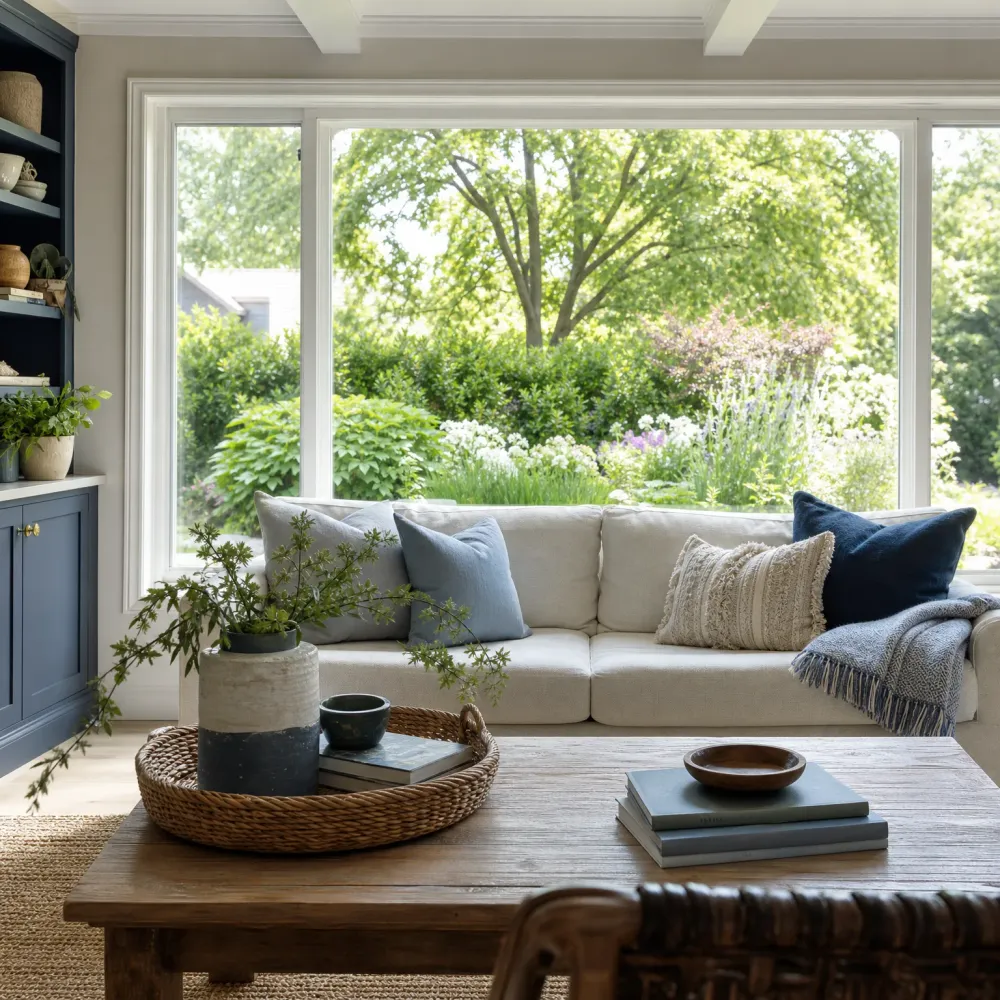
    A living room with a cream sofa and blue, white, and textured cushions beneath a large window overlooking a green garden, with a rustic wooden coffee table holding a woven tray, ceramic vase with foliage, stacked books and a wooden bowl, and a dark blue built-in shelving unit at left.
  • Steady, even comfort

    Instead of short bursts of heat, it keeps a gentle, steady output going. The house stays at one comfortable temperature.

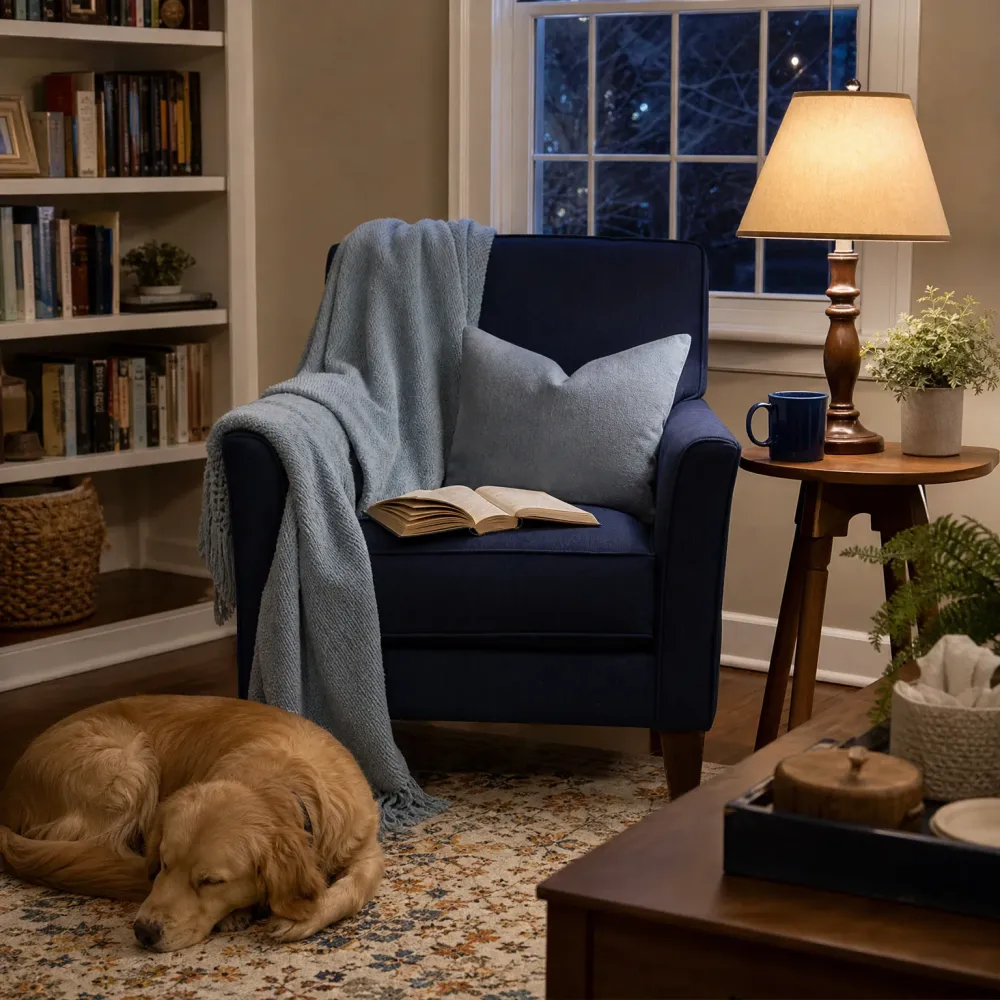
    A navy armchair with a light blue throw and cushion holds an open book, beside a lit table lamp, mug and potted plant on a wooden side table, with a golden-coated dog sleeping on a patterned rug and bookshelves at left.

Where does a furnace shine?

  • Strong, steady heat in hard cold

    Nights here average 9°F in December, January and February. A furnace burns gas to make heat, so it keeps pushing out warm air at full strength no matter how cold it gets outside.

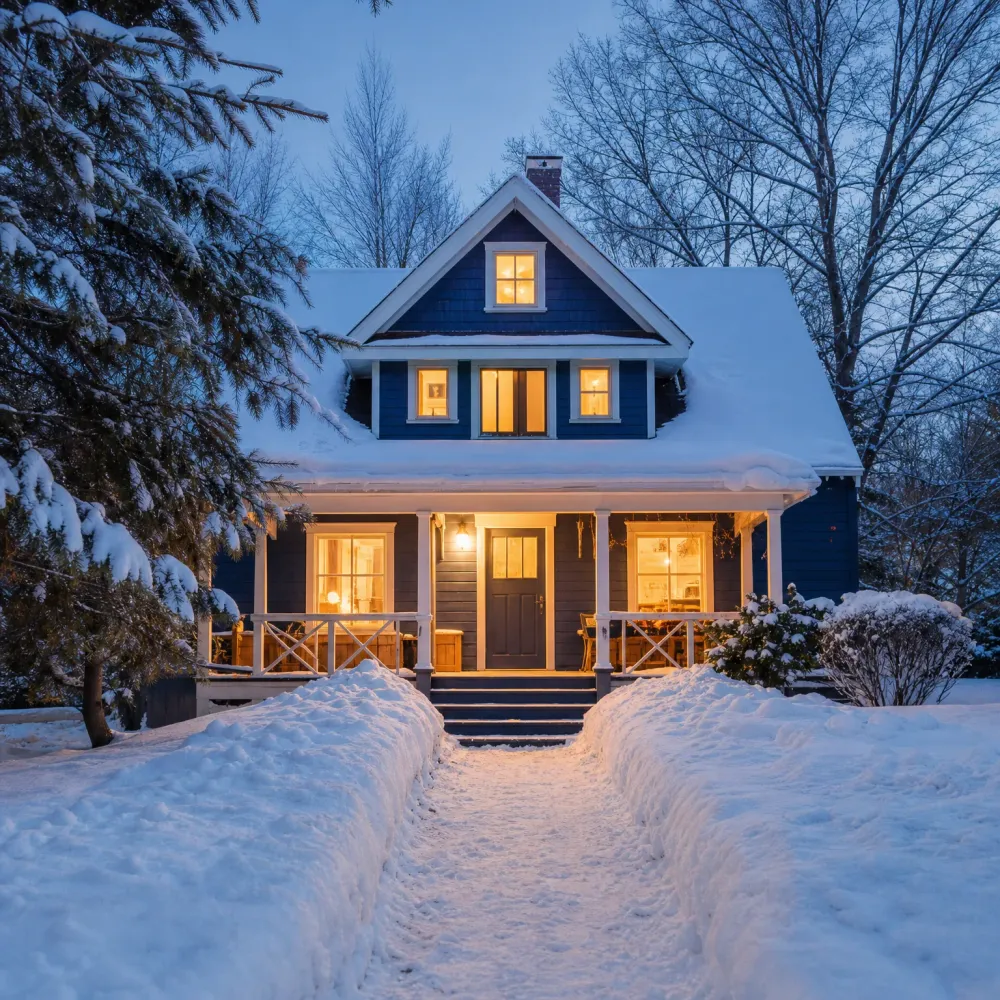
    A two-story dark blue house with white trim, a covered front porch and lit windows at dusk, with snow on the roof and a shoveled path leading to the front steps between snowbanks.
  • Proven, simple, easy to get serviced

    Gas furnaces have heated homes for generations. Almost every HVAC tech knows them inside and out.

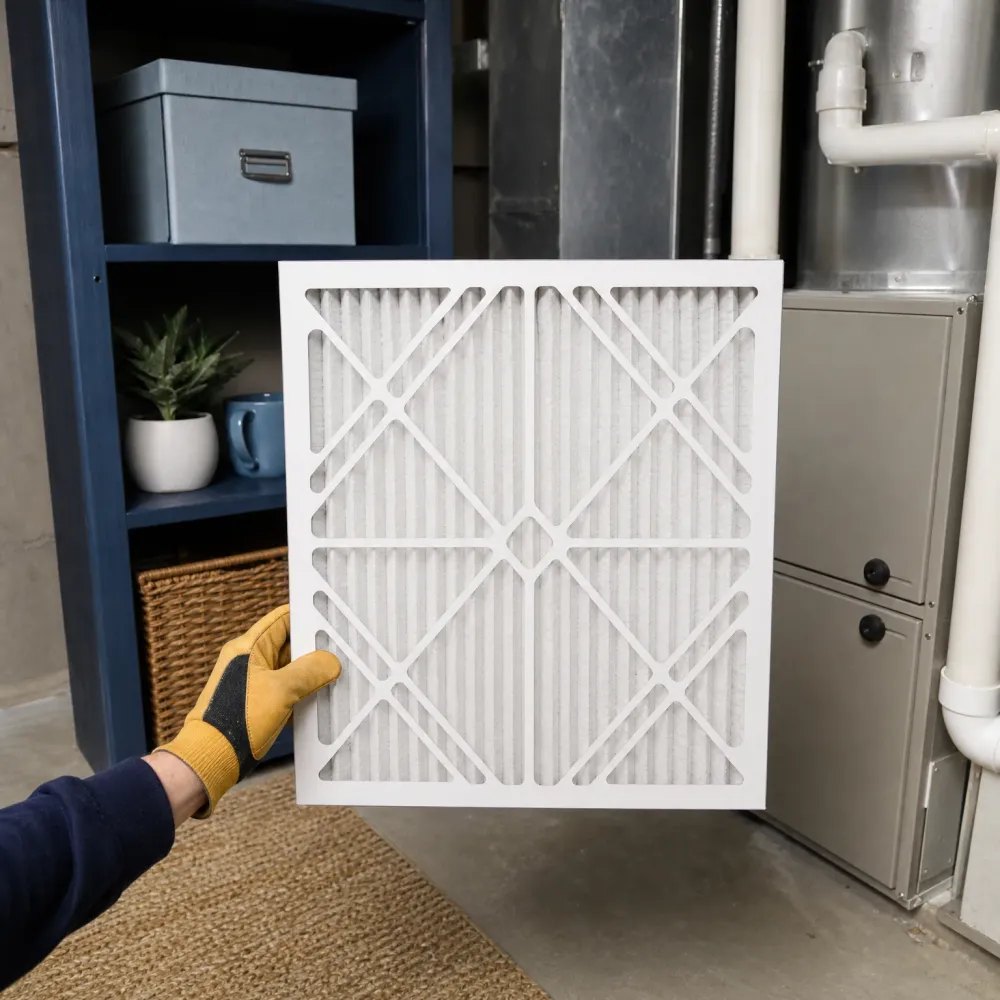
    A gloved hand holds a square pleated air filter in front of a furnace in a basement, with a shelving unit, potted plant, and woven basket in the background.
  • Fast, strong heat on demand

    Turn the heat up and the furnace answers right away. There's no long wait for the house to catch up.

    An entryway with a navy glass-paned door showing snow outside, snow-dusted boots on a woven jute rug, a wooden bench with a steaming blue mug, sheer curtains by a window, and a floor vent in the slate tile.

What the cold does to a heat pump here

Winter is the whole question in Conejos County. Heat runs eleven months a year here, August through June, and the overnight low averages 9°F across December, January and February. That number is what decides this, more than the running cost does.

A standard heat pump starts losing ground before it gets anywhere near that cold. Below 40°F it already puts out less heat than its rating says, and below about 35°F it typically needs backup heat to make up the difference. Here, every single night that drops to freezing or below is colder than both of those marks. That's about 215 nights a year, over half the nights the heat is running.

Then there are the nights that go further. About 35 nights a year here hit 0°F or colder, a season low averaging 9°F. A standard heat pump at that temperature is putting out only a fraction of its rated heat, right when the house needs the most.

This doesn't rule out a heat pump. It rules out a standard one. A model built to the ENERGY STAR Cold Climate spec is tested to hold at least 70 percent of its 47°F capacity at 5°F, and to still produce 1.75 units of heat per unit of electricity at that temperature. A field test of prototype cold-climate heat pumps over two winters found backup heat carried only a small share of the load between 0°F and 35°F, and the units ran on backup alone only rarely, even below 0°F. If a heat pump is on the table here, that spec is what makes it workable. A standard one will lean on its backup heat for most of the winter.
A small dark blue house with white trim and a light blue front door, surrounded by deep snow and conifers, with a snow-covered mountain in the background.

What it costs to run, and what that means here

At Colorado's average prices, running a gas furnace costs $1.26 per 100,000 Btu of heat. A standard heat pump runs $1.99 for the same heat, at least 36 percent more, and that figure doesn't even count the backup heat it would lean on through a Conejos County winter. Add that in and the gap widens.

That cost gap is also why gas is the more common choice in homes here already. Utility gas heats about two in five homes in the county, and propane heats close to one in five more. Electric heat, by contrast, heats about one in ten. Statewide the pattern is similar: utility gas heats two out of three Colorado homes, electricity about one in four.

There's no cooling-season math to weigh against any of this. No month here runs warm enough to call for air conditioning, so the heat pump's ability to cool a house in summer buys nothing in Conejos County. The furnace's one shortcoming, that it only heats, costs nothing here either, since there's no cooling season for it to miss.

For a house here, the honest case is a furnace unless the backup heat matters more than the running cost: a gas furnace heats for less, every winter, including the coldest nights. A heat pump can still do the job, but only a cold-climate model, and even that one costs more to run than gas at Colorado's current prices.

Sources: NOAA nClimDiv · NOAA 1991–2020 seasonal normals · Census ACS 2020–2024 · EIA SEDS 2024 · 10 CFR 430.32 · PNNL Building America guide · PNNL-37127 field study · ENERGY STAR product criteria

A navy blue wood-sided house with a light blue front door and white-trimmed window, fronted by a snow-covered wooden deck, steps, railings, stacked firewood, a potted shrub, and a wall lantern, with conifers behind.

Common questions about heat pumps and furnaces

  • Can a heat pump heat a house through a Colorado winter?

    Yes, but not on its rated capacity alone once the temperature drops. Below 40°F a standard heat pump puts out less heat than its rating, and the average overnight low here is 9°F, so it needs backup heat to carry the house through December, January and February. A cold-climate model holds its output much better in that range, but a standard heat pump will lean on its backup on the coldest nights.

  • Do I need backup heat with a heat pump here?

    Yes. A standard heat pump often needs backup heat once it's below about 35°F outside, and that happens on more than half the nights of the heating season here, 215 of about 335. Nights at 0°F or below, which run about 35 a year here, call on that backup the most.

  • Can I keep my furnace and add a heat pump?

    Yes, and here that pairing covers the cold better than a heat pump alone. The furnace supplies strong heat on the nights below 35°F or 0°F, when a standard heat pump's output falls short of its rating, and the heat pump handles the milder nights on its own.

  • Is a heat pump cheaper to run than a furnace in Conejos County?

    No. A furnace runs $1.26 per 100,000 Btu of heat here against $1.99 for a heat pump, so the furnace is cheaper to run, at least 36% less for the same heat. That heat pump figure is its best case too, since it doesn't add anything for the backup heat it will need on the coldest nights.

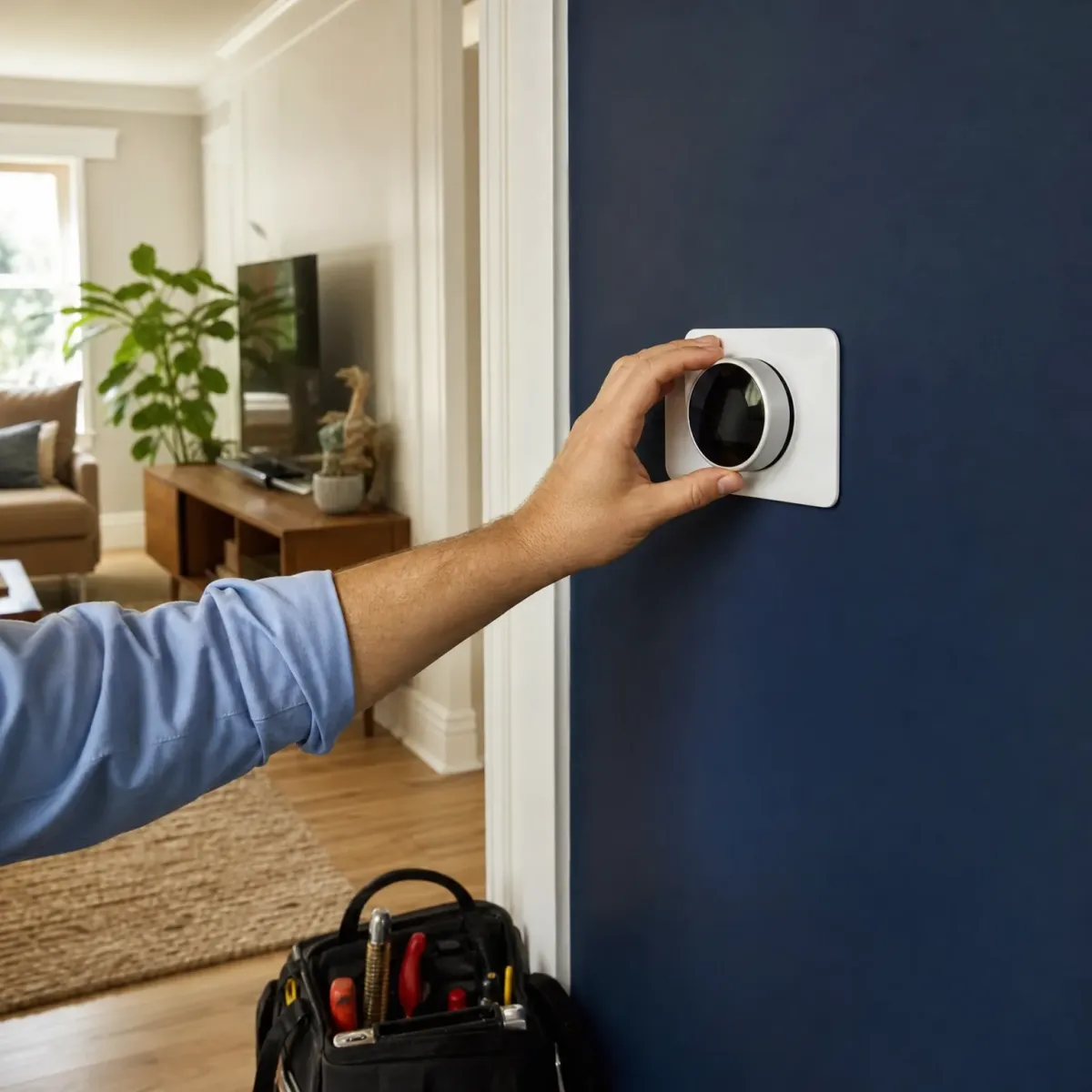
A person's arm in a light blue shirt reaches to adjust a round white and black thermostat mounted on a dark blue wall, with a living room containing a houseplant, television and wooden console visible through a doorway and a tool bag with screwdrivers on the floor below.

Tell us about the job

Takes about a minute. No obligation.

Step 1 of 3: Equipment