

Why winter here decides this
Your winter low averages 7°F. A standard heat pump starts falling short of its rated heat below 40°F, and by about 35°F it usually needs backup heat to keep the house warm. Every night here that drops to freezing or below, about 220 of them a year, is already under both of those marks. The heat runs here in every month of the year, and about 35 nights a winter reach 0°F or colder.
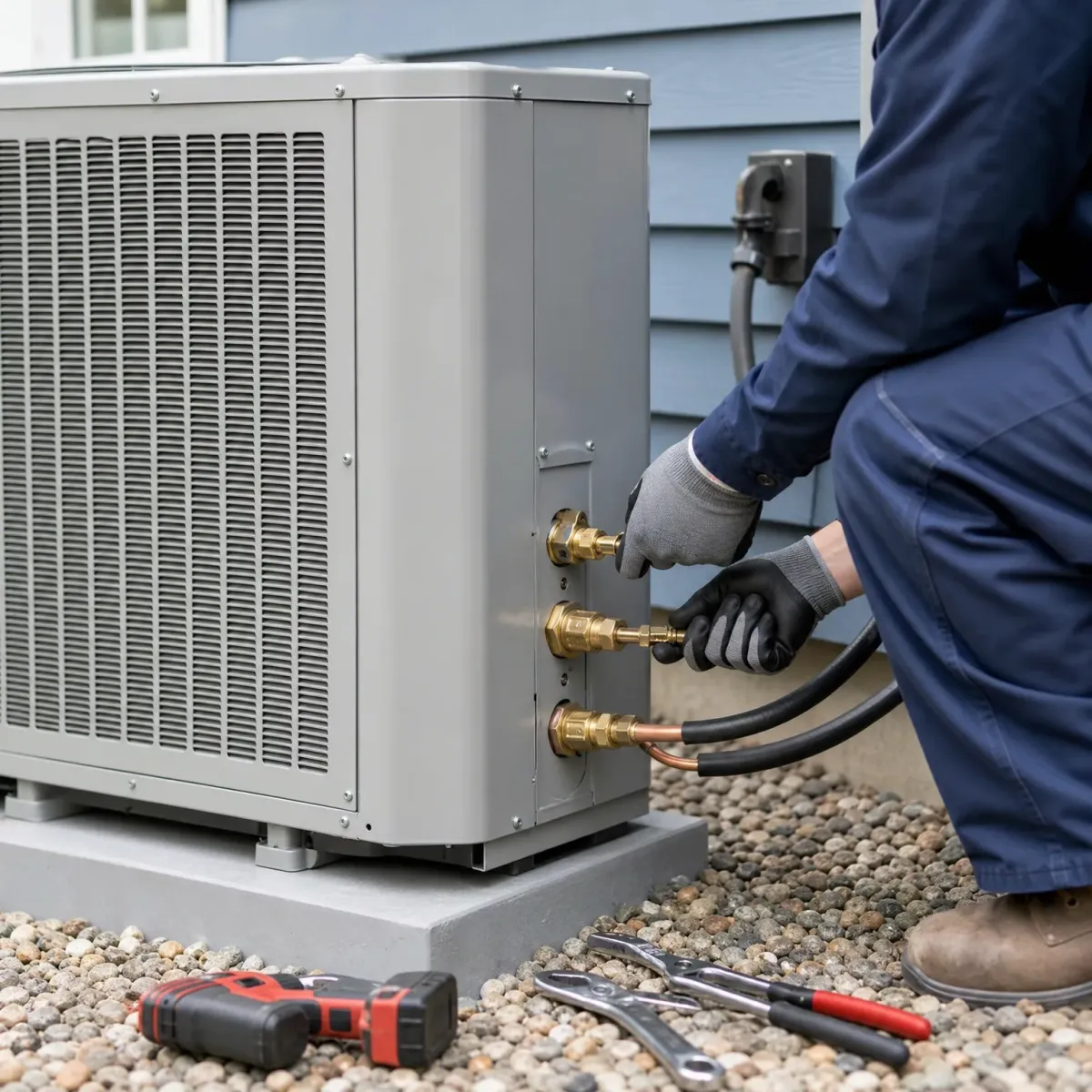
That doesn't rule out a heat pump. It rules out a standard one. A heat pump built for cold carries the ENERGY STAR Cold Climate mark, which means it's tested to produce at least 1.75 units of heat for every unit of electricity at 5°F, and to hold at least 70 percent of its warm-weather capacity at that same temperature. A two-winter field test of prototype cold-climate models backs this up: backup heat covered only a small share of the heating load between 0°F and 35°F, and running on backup alone was rare even at 0°F. So the real question in this county isn't whether a heat pump can work. It's whether the one you're looking at is built for this cold or built to the federal minimum.
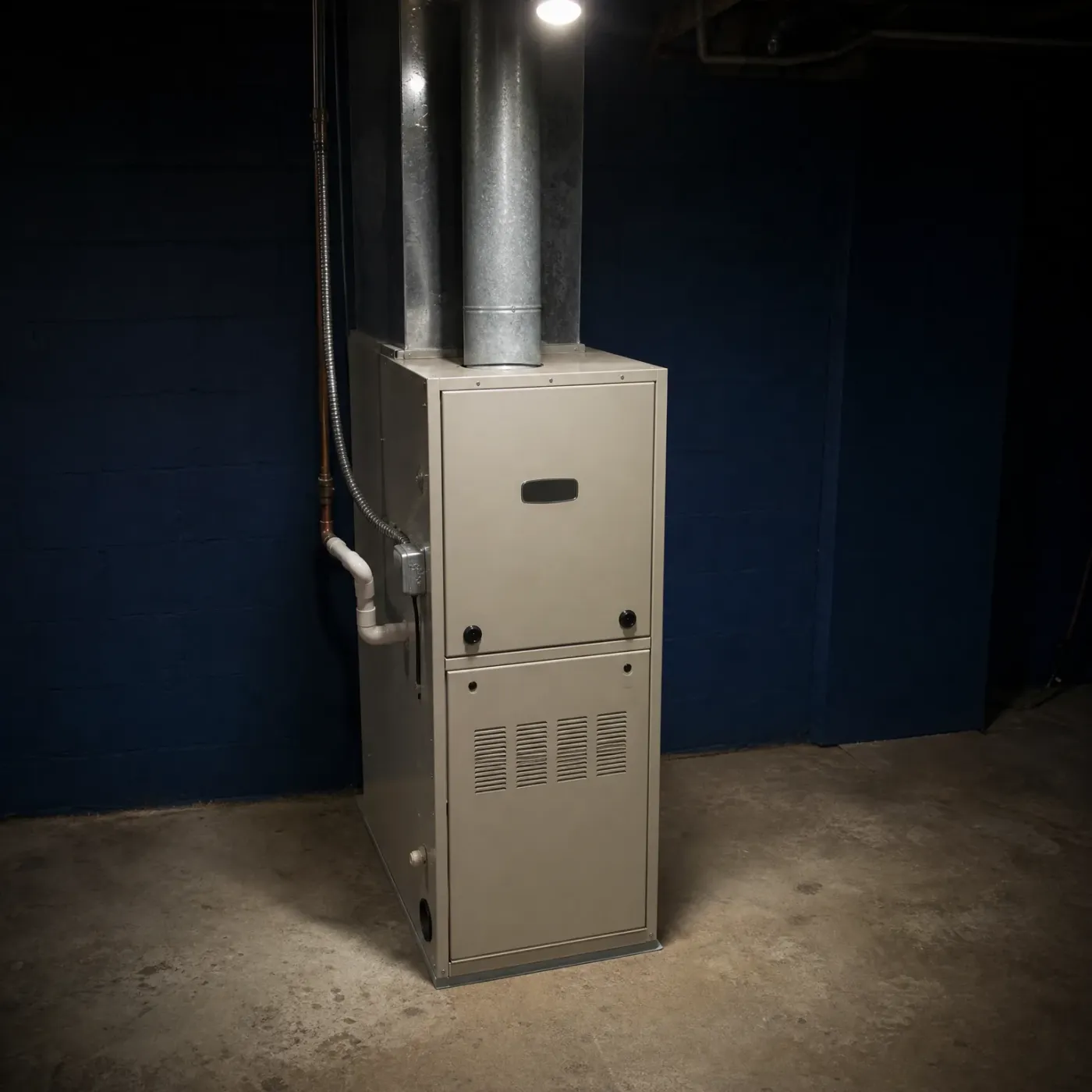
A furnace doesn't carry that question at all. It makes its full rated heat whether it's 30°F or 20 below, because burning gas doesn't get harder in the cold. That's the plain case for a furnace here: no cold-weather rating to check, no backup system to size for the worst night of the year.