

What winter here does to a heat pump
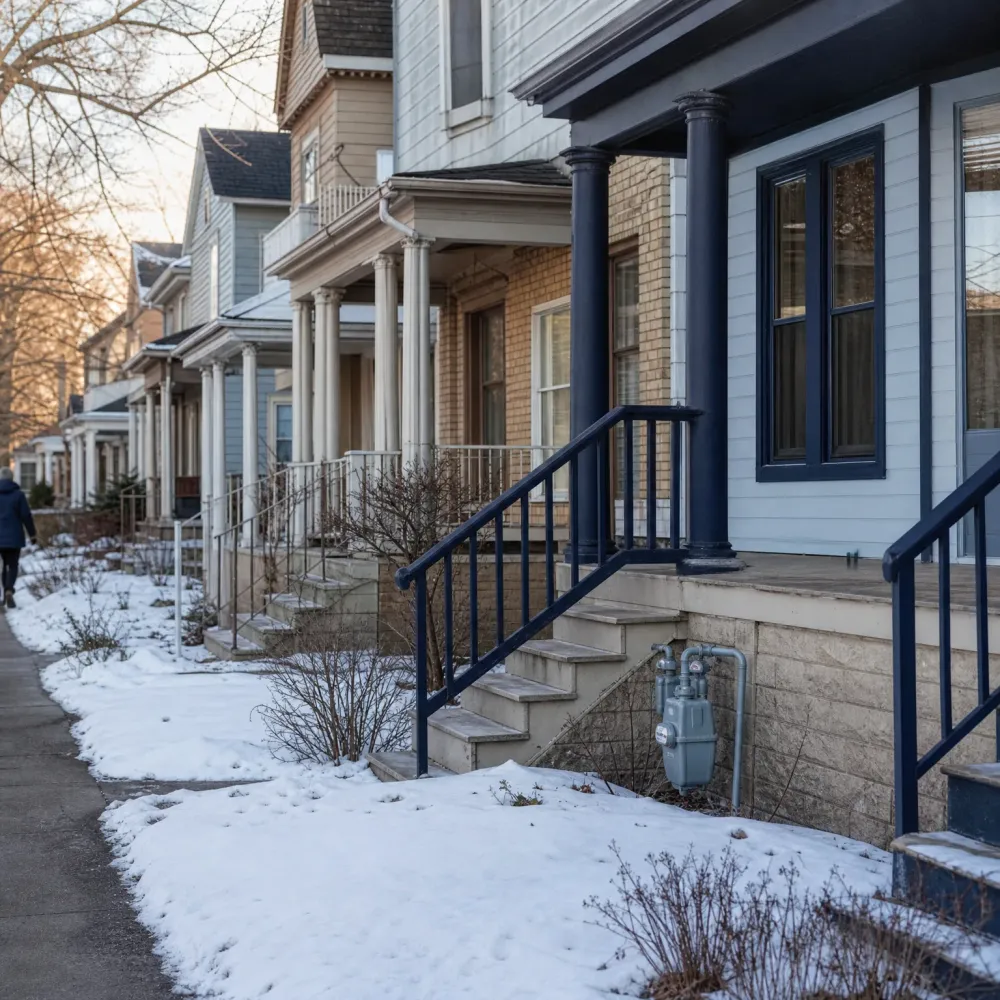
Your winter low here averages 17°F, and that number matters more than any other for this choice. A standard heat pump starts losing heat output below 40°F, and below about 35°F it usually needs backup heat to keep up. Your average night is below both marks. This isn't a cold snap a few times a year, it's the normal overnight temperature for the eight months your heat runs.
Of the roughly 245 nights in that stretch, about 165 fall at or below freezing. That's better than half. On almost every night you run the furnace or heat pump, a standard heat pump is already working below the point where it performs the way its rating promises. It will still make heat. It just takes more electricity to do it, and on the coldest nights it needs help from a backup element to hold the house at temperature.
Only about 8 nights a year drop to 0°F or below, so the deep cold is rare here. A cold climate heat pump, the kind certified to hold most of its capacity down to 5°F, is built for exactly the range this county sits in. Field tests of that type of equipment found backup heat carried only a small share of the load between 0°F and 35°F, and running on backup alone was rare even above 0°F. A standard heat pump doesn't carry that certification, and this county's winter is long enough and cold enough that the difference shows up on your utility bill, not just on the coldest night of the year.