


Heat pump vs furnace in Garfield County, Colorado

Get a Quote

Serving Garfield County homes

Which costs less to run in Garfield County?

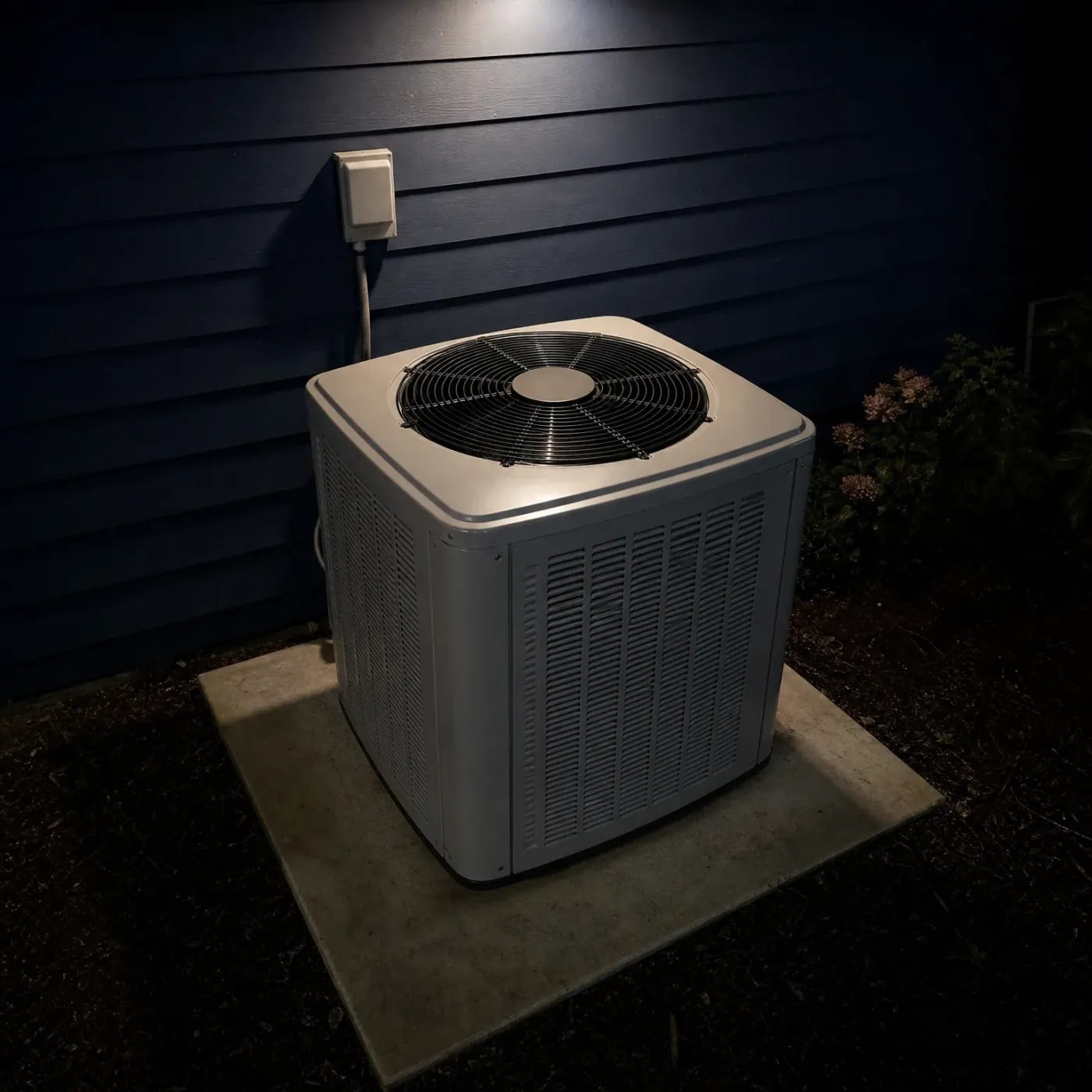
An outdoor air conditioning condenser unit with a top-mounted fan sits on a concrete pad beside a dark blue horizontal lap siding wall with an electrical disconnect box above it, photographed at night.

Heat pump

To heat your home here$1.99per 100,000 Btu

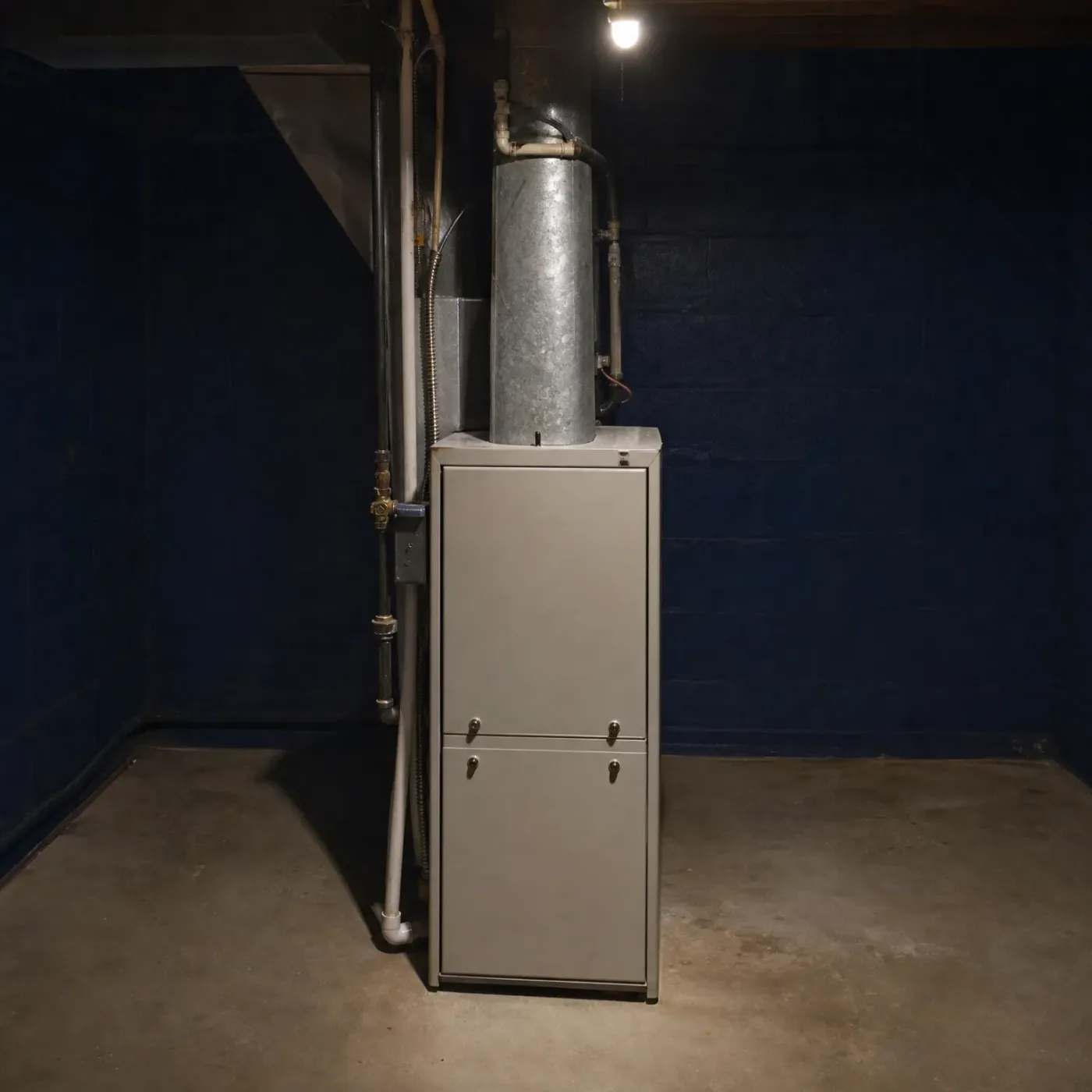
A tall gray furnace cabinet stands on a concrete floor in a basement with dark blue painted block walls, with a galvanized metal flue duct and pipes running up behind it and a bare light bulb overhead.

Furnace

To heat your home here$1.26per 100,000 Btu

At Colorado's gas and electricity prices, a gas furnace makes the same heat as a heat pump for at least 36% less.

Btu stands for British thermal unit, the standard measure of heat energy.

Where does a heat pump shine?

  • Steady, even comfort

    A heat pump runs long and low instead of blasting on and off. Rooms hold an even temperature all day.

    A navy armchair with a light blue throw and cushion holds an open book, beside a lit table lamp, mug and potted plant on a wooden side table, with a golden-coated dog sleeping on a patterned rug and bookshelves at left.
  • Heats and cools in one system

    Winter and summer are covered by the same outdoor unit. That's one machine to service instead of two.

    A cream sectional sofa with navy and light blue cushions and a fringed blue throw sits beneath a white-framed window overlooking green garden foliage, with a rustic wooden coffee table holding a vase of flowers, a blue mug on a book, and a wooden bowl, beside a dark blue built-in cabinet.
  • No gas line, nothing burning in the house

    It moves heat instead of making it from fire. That means no combustion, no flue and no gas bill for heat.

    Kitchen interior with a navy island topped by a wood counter and black induction hob holding a pale blue kettle, cream wall cabinets with a built-in black double oven, glass pendant lights, a vase of blue hydrangeas, and glass doors showing a fenced garden.

Where does a furnace shine?

  • Strong, steady heat in hard cold

    Winter nights here average 16°F, and that's the kind of cold where a furnace just keeps putting out hot air no matter how long the cold snap lasts. You get the same steady heat at 2am as you do at dinner time.

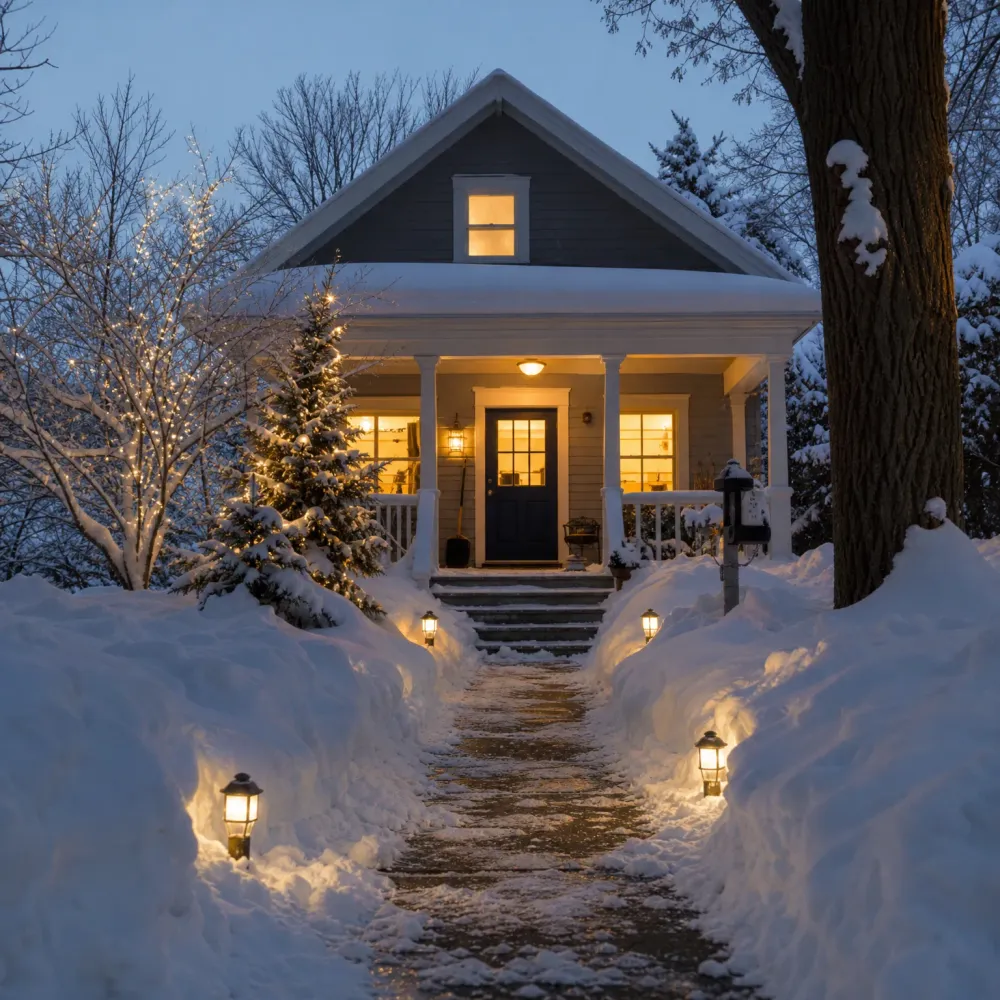
    A two-story house with a lit porch and glowing windows at dusk, with a shoveled path lined by small lanterns leading through deep snow to the front steps, and a large bare tree trunk at right.
  • Runs on the gas most homes here already use

    Most homes in Garfield County already have a gas line for heat. If yours is one of them, a furnace just uses what's already there.

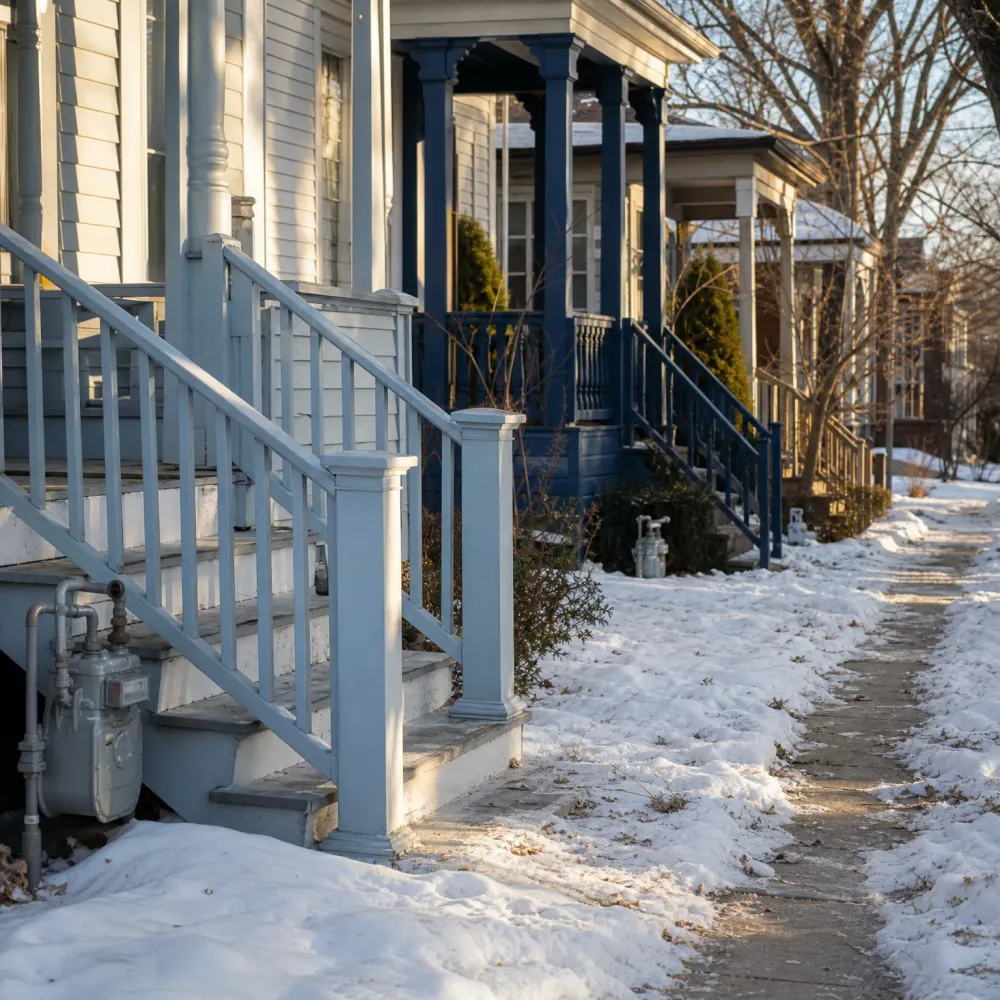
    Front porch steps with light blue painted railings on a clapboard house, beside a cleared sidewalk bordered by snow, with a dark blue porch on a neighboring house and bare trees in the background.
  • Proven, simple, easy to get serviced

    Parts are easy to find and most repairs are routine. Getting one fixed rarely means waiting on a specialist.

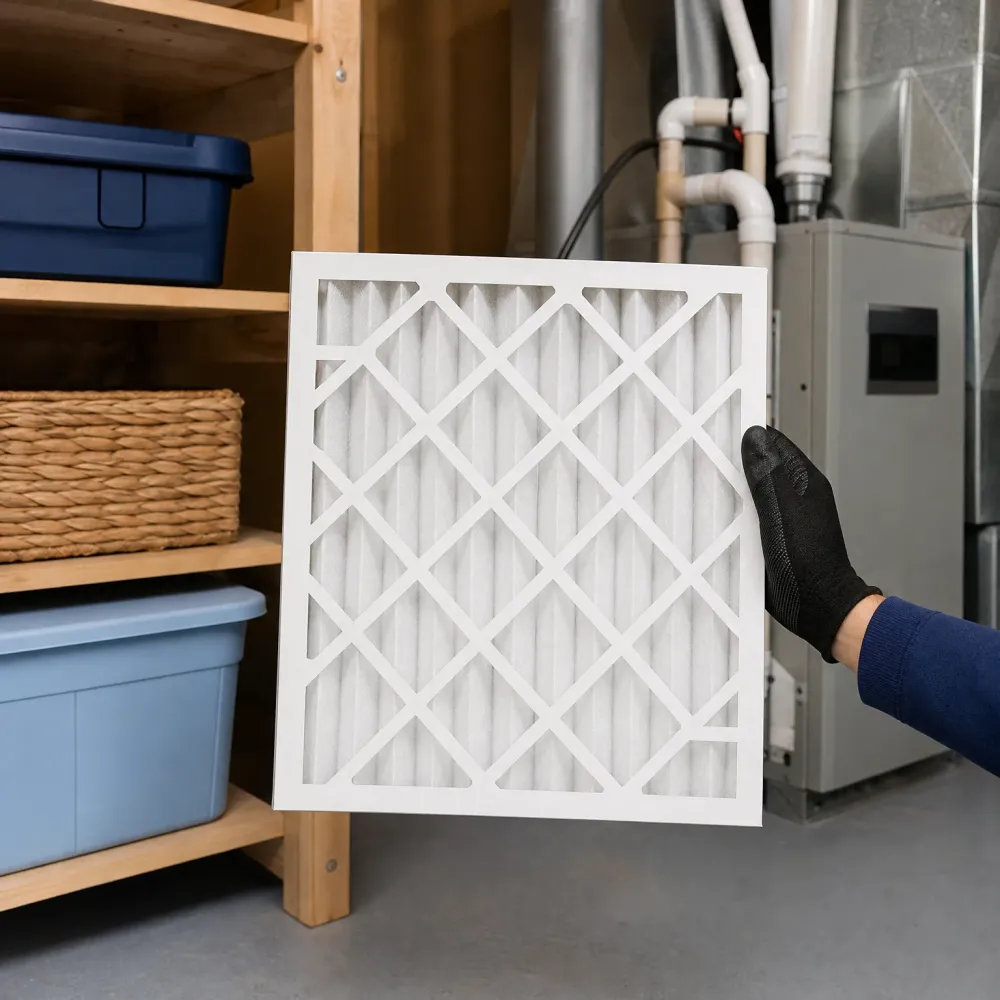
    A gloved hand holds a white pleated air filter upright in a basement utility area, with wooden shelving holding storage bins and a basket on the left and furnace ductwork and piping on the right.

What the cold does to a heat pump here

Your winters decide this, so start there. The overnight low in Garfield County averages 16°F across December, January and February, and it drops to freezing or below on about 190 nights a year, over half the nights in the ten months your heat runs. That matters because a standard heat pump starts losing ground before it even gets to 16°F. Below 40°F it puts out less heat than its rating says. Below about 35°F it often needs backup heat to keep up. Your average winter night is below both marks, and so is every single one of those 190 freezing nights.

This doesn't mean a heat pump can't heat your house. It means it needs help doing it on most winter nights here, not just the rare cold snap. Furnaces don't have this problem. A gas furnace makes the same heat at 0°F as it does at 40°F, because burning gas doesn't care what the air outside is doing. That's why the cards above call a furnace's heat strong and steady in hard cold. It's not a marketing line here, it's what the temperature numbers require.

There's a real version of a heat pump built for this. The ENERGY STAR Cold Climate designation requires a heat pump to still produce 1.75 units of heat for every unit of electricity at 5°F, and to hold onto at least 70 percent of its warm-weather capacity at that temperature, checked by outside testing. A field test of prototype cold-climate heat pumps in occupied homes backs this up: backup heat covered only a small share of the heating load between 0°F and 35°F, and the system ran on backup alone only rarely, even below 0°F. The federal-minimum heat pump priced in the running-cost band above isn't that machine. If a heat pump is on the table for your house, the cold-climate version is the one built for your nights, not the baseline model.
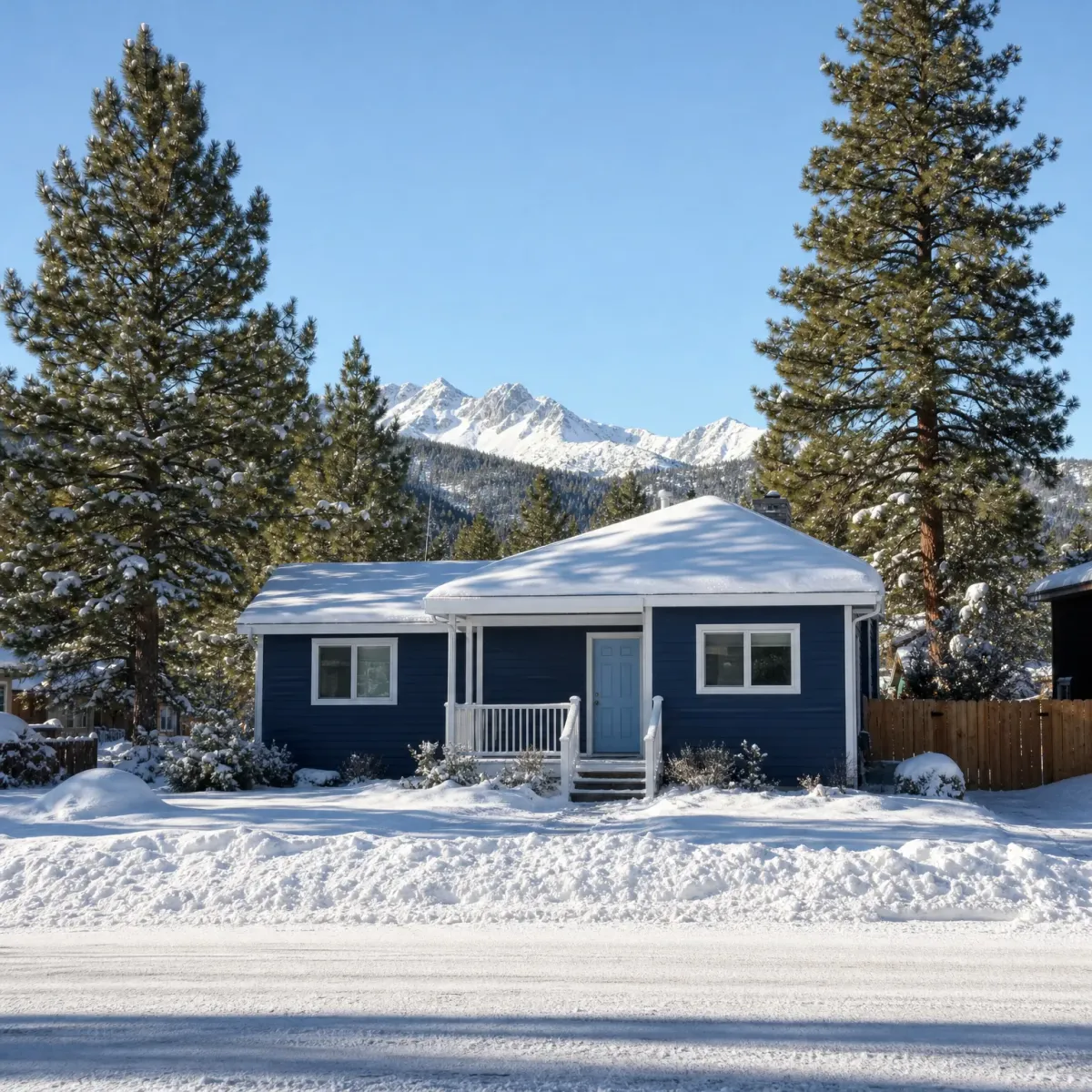
A single-story navy blue house with white trim and a small covered porch, its roof covered in snow, flanked by tall pine trees with snow-covered ground and a snowy mountain range under a clear blue sky.

Cost, cooling, and what your neighbors run

On running cost, the furnace wins outright. At Colorado's average fuel prices, a gas furnace makes the same heat for $1.26 per 100,000 Btu against $1.99 for a heat pump, better than a third cheaper. That gap is before counting any backup heat a standard heat pump would run on your coldest nights, so in practice it runs wider here, not narrower.

Cooling barely enters this decision. Garfield County has no real cooling season. Days hit 90°F or above only about 40 times a year, under a quarter of the days you get. A furnace does nothing for you those days, since it only heats, and it has no job the other two months of the year when your heat isn't running at all. A heat pump covers both jobs in one system, which is worth something if your air conditioner is old or you don't have one, but it isn't solving a real cooling problem in this county. It's solving a small one.

Look at what's already installed around you. Utility gas heats about two in three homes here, electricity about one in four. That's not an argument on its own, gas service being common doesn't make it right for your house. But it does mean the gas furnace is the proven, familiar machine in this county, with contractors who service it every day. If your house already has a gas line and a furnace, replacing it with another furnace is the straightforward path. If you're drawn to a heat pump for the steady heat or the one-system comfort, go in knowing it costs more to run here and needs real cold-climate performance, not the federal minimum, to carry your coldest nights on its own.

Sources: NOAA nClimDiv · NOAA 1991–2020 seasonal normals · Census ACS 2020–2024 · PNNL Building America guide · PNNL-37127 field study · ENERGY STAR product criteria · EIA SEDS 2024 · 10 CFR 430.32

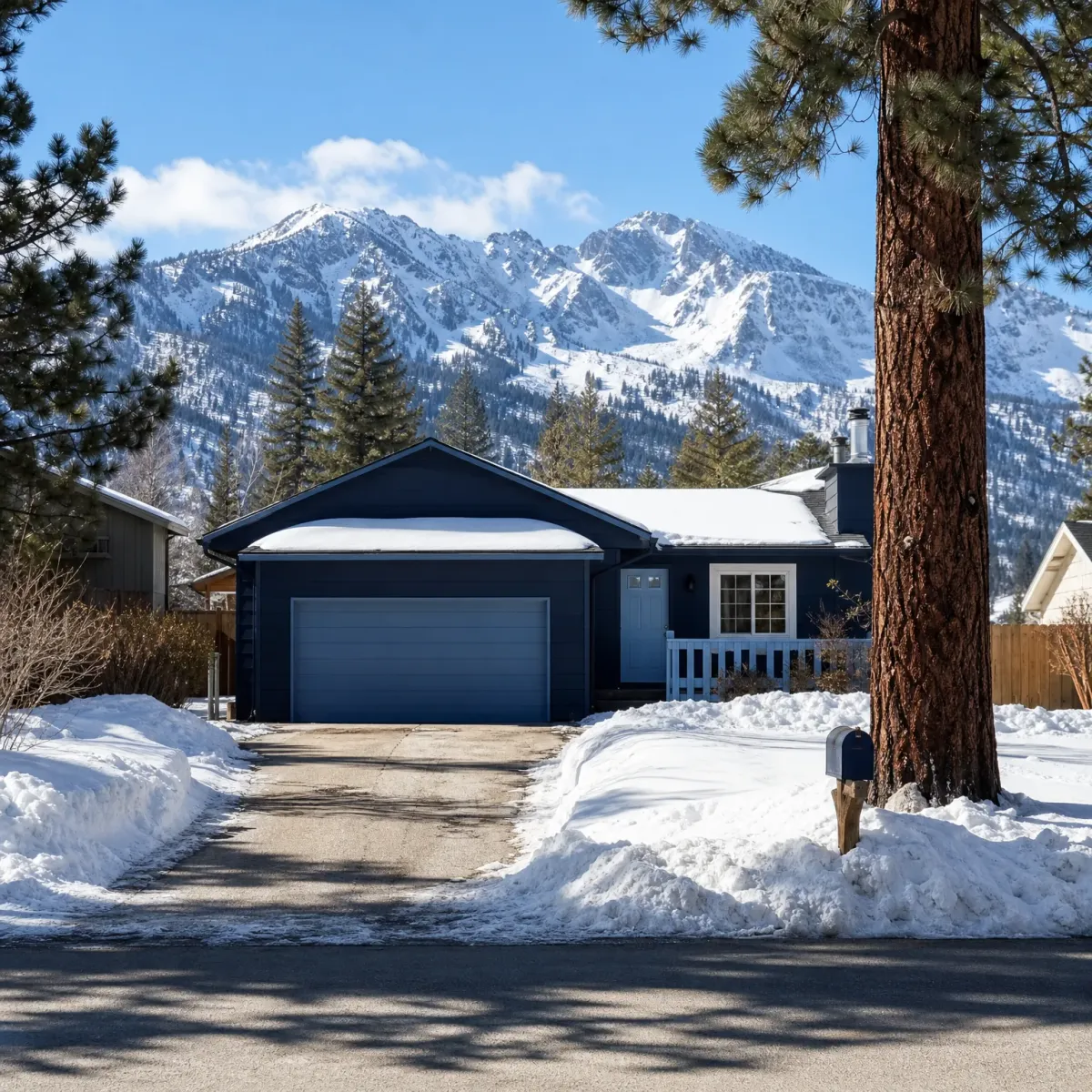
A single-story dark blue house with an attached two-car garage and cleared driveway, surrounded by plowed snowbanks, with a large pine trunk in the foreground and snow-covered mountains behind.

Common questions about heat pumps and furnaces

  • Can a heat pump heat a house through a Colorado winter?

    A standard heat pump will struggle on the coldest nights here. Its output drops below 40°F and backup heat often kicks in below about 35°F, and this county sees lows at or below freezing on about 190 nights a year, with 13 nights at 0°F or below. A cold-climate model rated for low temperatures holds up better, but a gas furnace keeps its full output no matter how cold it gets outside.

  • Do I need backup heat with a heat pump here?

    Most winters, yes. A standard heat pump's output falls below its rating once it's under 40°F outside, and it often needs backup once it's under about 35°F. The overnight low here averages 16°F across December, January and February, and falls to freezing or below on about 190 nights a year, so a standard heat pump would need backup on more than half the nights the heat runs.

  • Can I keep my furnace and add a heat pump?

    Yes, and here that's a common setup. The furnace covers the cold, the heat pump covers the rest, and a control switches between them based on outdoor temperature. Below about 35°F a standard heat pump often needs backup anyway, and the average overnight low here is 16°F, so the furnace would be doing real work most winter nights.

  • Is a heat pump cheaper to run than a furnace in Garfield County?

    No, a gas furnace costs less to run here. At Colorado's average fuel prices, a furnace built to the federal minimum makes heat for $1.26 per 100,000 Btu against $1.99 for a heat pump built to the federal minimum, and that heat pump figure doesn't include the backup heat it would likely run on cold nights. Heat runs about ten months a year here, so that difference adds up.

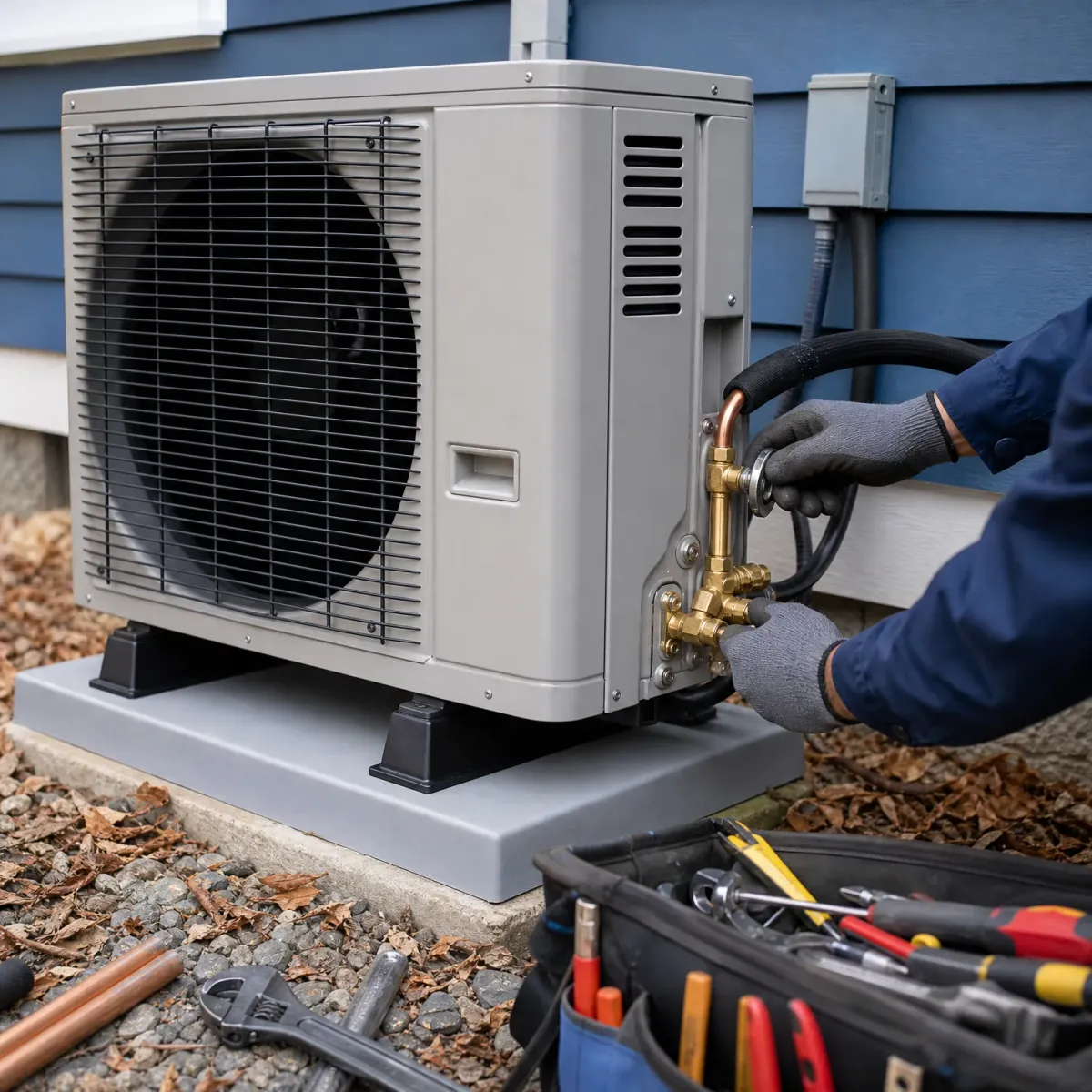
A gloved worker in a dark blue jacket connects refrigerant lines and copper piping at the side of a gray outdoor heat pump unit mounted on a concrete pad beside a blue lap-sided house, with a tool bag and wrench in the foreground.

Tell us about the job

Takes about a minute. No obligation.

Step 1 of 3: Equipment