

Heat pump vs furnace in Archuleta County, Colorado

Get Quotes on Both

No cost to ask

Which costs less to run in Archuleta County?

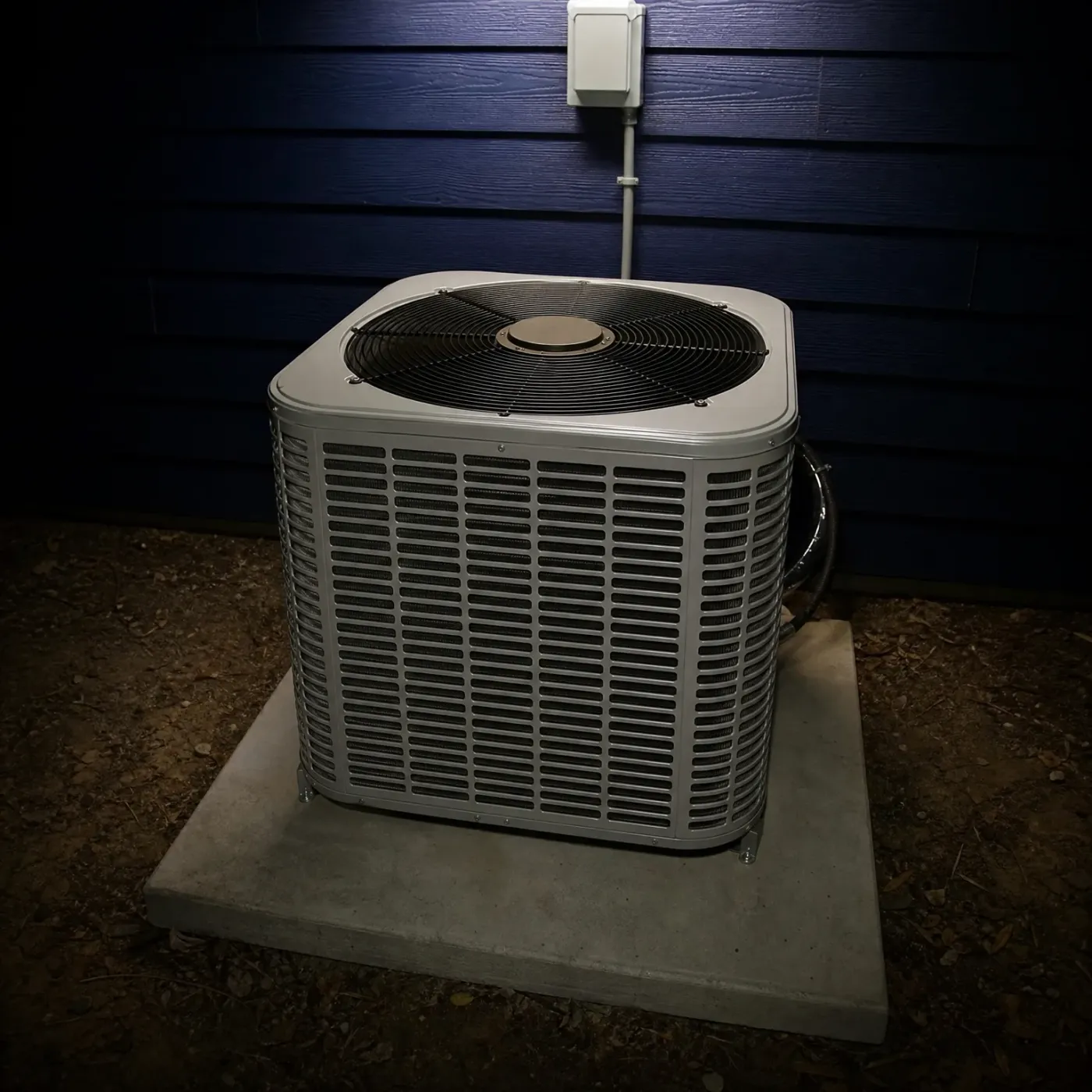
An outdoor air conditioning condenser unit on a concrete pad beside a dark horizontal-sided wall, with a conduit and electrical disconnect box above it, photographed at night.

Heat pump

To heat your home here$1.99per 100,000 Btu

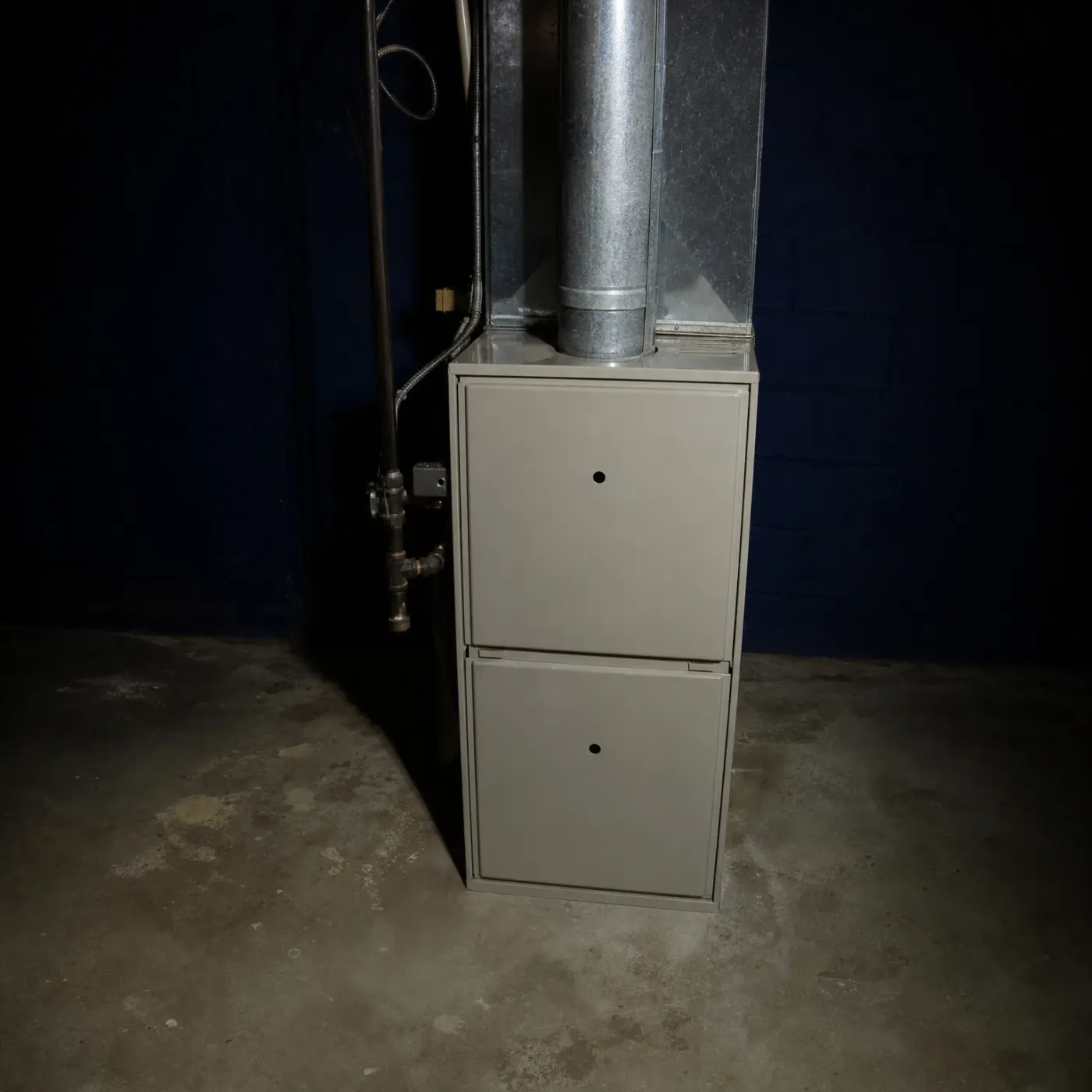
A beige two-panel furnace stands on a concrete basement floor against a dark blue wall, with galvanized ductwork and a flue pipe above it and metal gas piping to the left.

Furnace

To heat your home here$1.26per 100,000 Btu

At Colorado's gas and electricity prices, a gas furnace makes the same heat as a heat pump for at least 36% less.

Btu stands for British thermal unit, the standard measure of heat energy.

Where does a heat pump shine?

  • Steady, even comfort

    Instead of short bursts of heat, it keeps a gentle, steady output going. The house stays at one comfortable temperature.

    A golden retriever sleeps on a woven rug in a living room with a navy plaid armchair holding an open book and a gray fringed throw, beside a dark fireplace, potted plants, a lit table lamp and mug, and a frosted window at night.
  • No gas line, nothing burning in the house

    A heat pump runs on electricity alone. Nothing burns inside the house.

    A kitchen with a white stone-topped island over navy cabinetry, a stainless kettle on a black cooktop, a wooden open shelf holding bowls, mugs and a potted plant, and a ceramic vase of green flowers beside a woven stool.
  • Heats and cools in one system

    A heat pump runs the same way all year. It pulls heat into the house in winter and pushes it out in summer.

    Living room with a beige sofa holding navy and light blue cushions under a large window overlooking green trees and white hydrangeas, a wooden coffee table with a woven tray, potted plant and candle, a navy bookcase at right, and a striped armchair in the foreground.

Where does a furnace shine?

  • Strong, steady heat in hard cold

    Winter nights here average 13°F, and a furnace puts out hot air from the start, no matter how cold it gets outside. It doesn't have to work harder as the temperature drops, so the heat stays strong all night long.

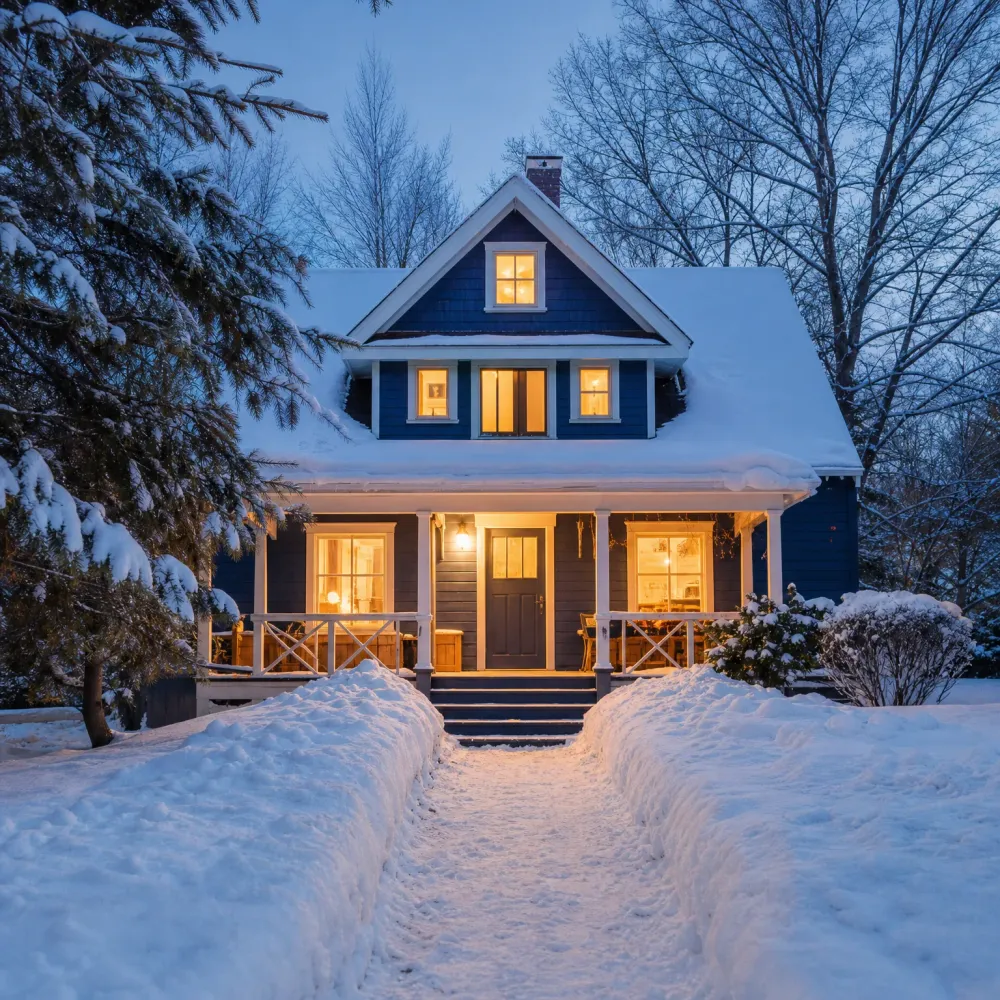
    A two-story dark blue house with white trim, a covered front porch and lit windows at dusk, with snow on the roof and a shoveled path leading to the front steps between snowbanks.
  • Proven, simple, easy to get serviced

    The design is simple and well understood. That keeps service calls short.

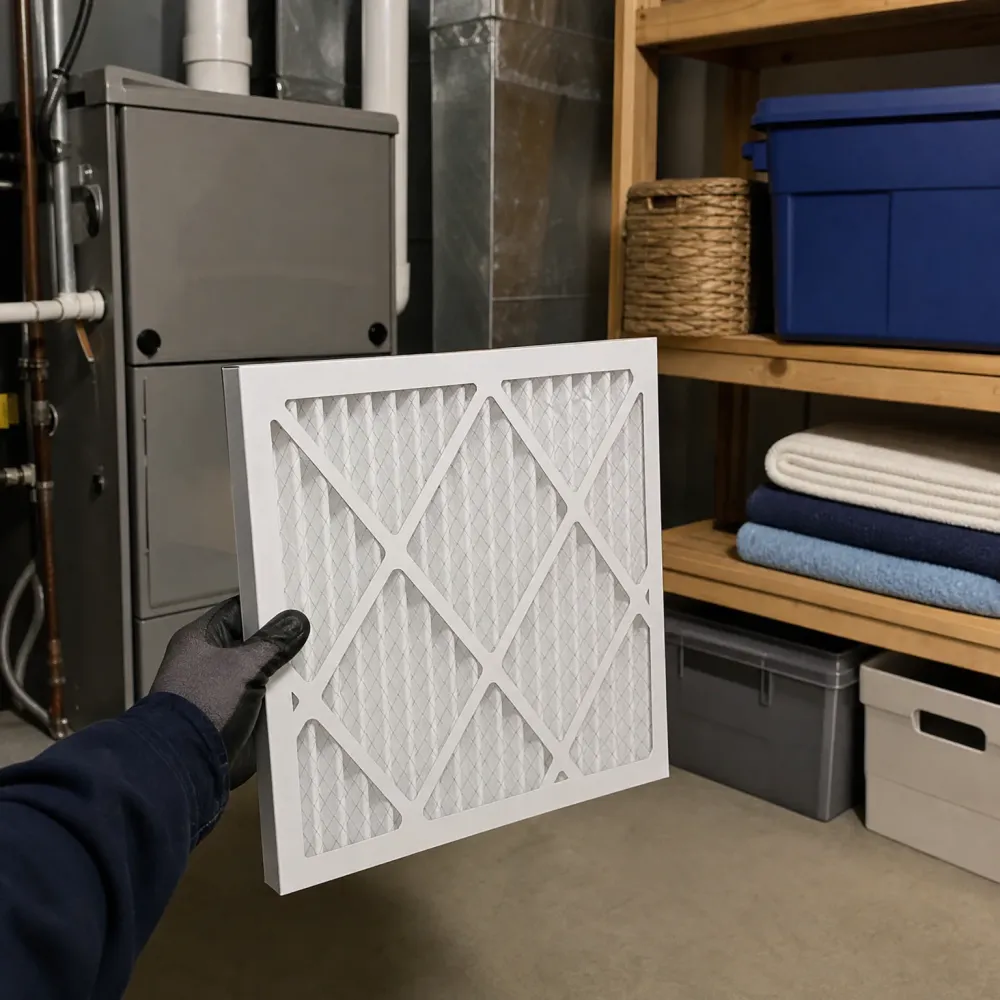
    A gloved hand holds a white pleated air filter in front of a basement furnace, with wooden shelving holding bins, baskets, and folded towels on the right.
  • Fast, strong heat on demand

    Turn the heat up and the furnace answers right away. There's no long wait for the house to catch up.

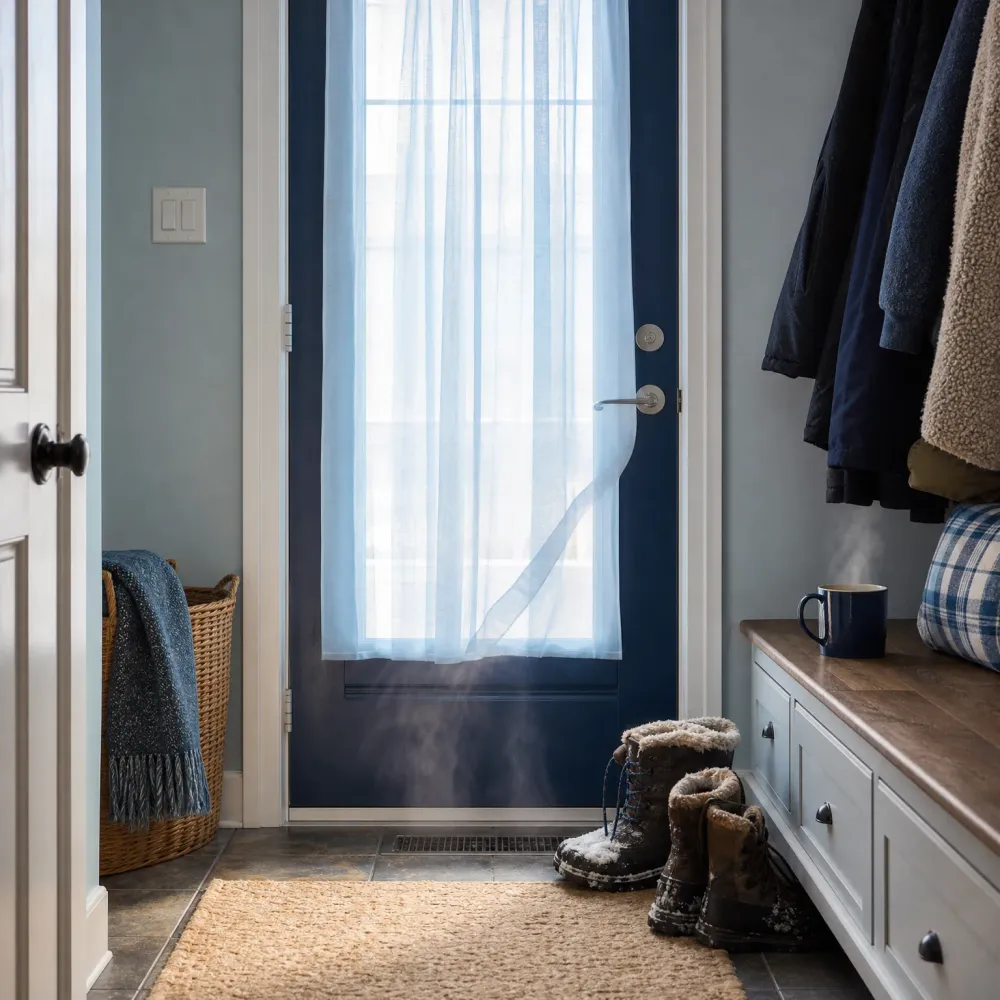
    A mudroom with a navy glass-paned door covered by a sheer white curtain, snow-dusted boots on a tiled floor, a woven rug, coats hanging on a rail, and a white bench with a wooden top holding a blue mug.

Your winter nights are the whole question

Archuleta County winters decide this. The overnight low averages 13°F across December, January and February, and it falls to freezing or below on about 220 nights a year, out of roughly 305 nights in the ten months the heat runs here. That's over half the heating season spent below freezing.

A standard heat pump has two marks against it in that kind of cold. Below 40°F it puts out less heat than its rating says. Below about 35°F it often needs backup heat to keep up. Your average winter low of 13°F is below both marks, and every single one of those 220 freezing nights is too. This isn't a machine that dips below its comfort zone a few nights a year here. It's below both marks most of the winter.

That doesn't mean a heat pump can't heat your house. It means the version built to the federal minimum, the one priced in the running-cost comparison above, is working against the cold on more nights than not. A unit carrying the ENERGY STAR Cold Climate mark is built for this differently: to qualify, it has to still make 1.75 units of heat per unit of electricity at 5°F and hold onto 70 percent of its warm-weather capacity at that temperature, verified by outside testing. Field tests of prototype cold-climate heat pumps found backup heat carried only a small share of the load between 0°F and 35°F, and running on backup alone was rare even above 0°F. The county sees 0°F or below about 25 nights a year, under a quarter of the freezing nights. So the real question isn't heat pump or furnace in the abstract. It's whether the heat pump you're pricing is built for 13°F nights or just rated for them.
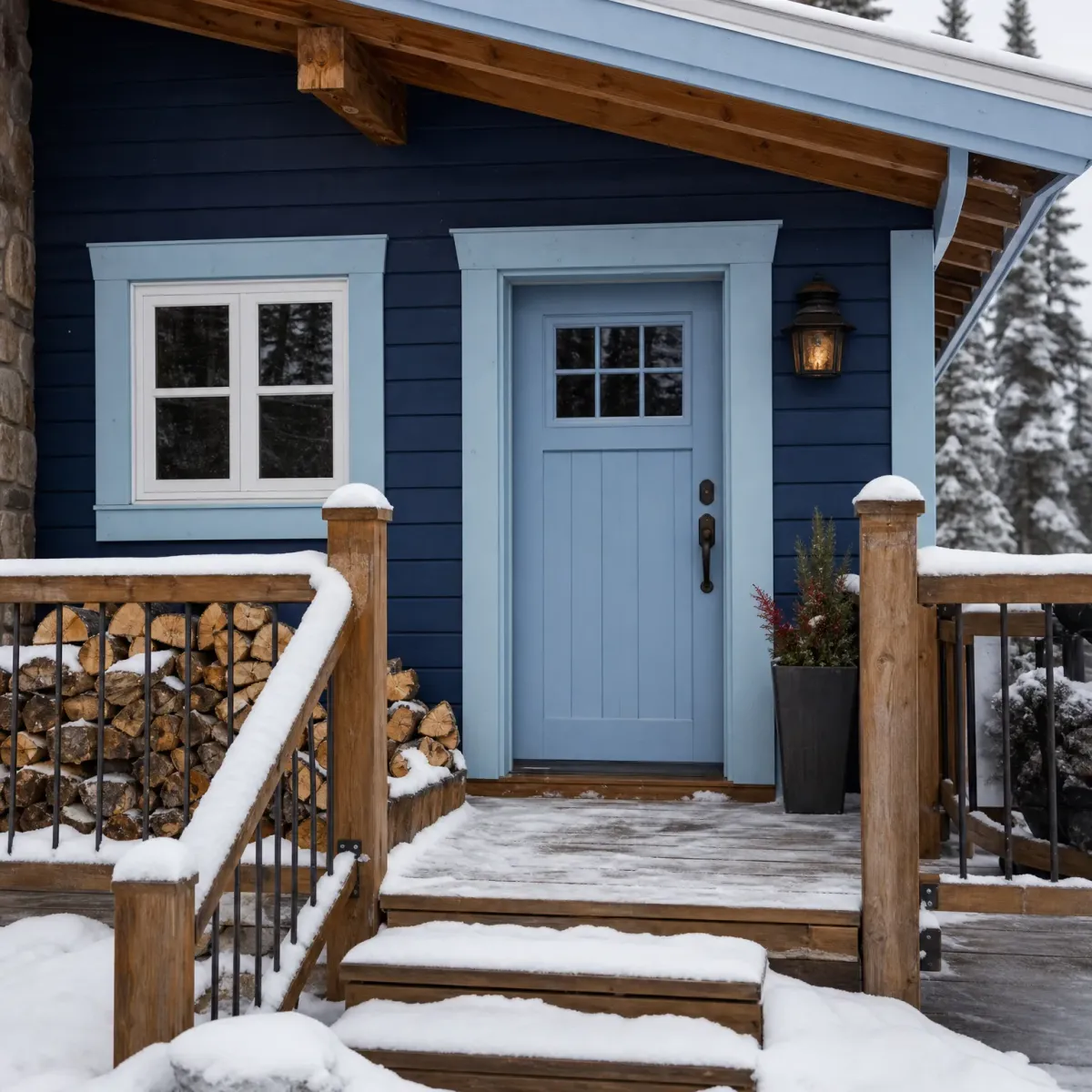
A navy blue wood-sided house with a light blue front door and white-trimmed window, fronted by a snow-covered wooden deck, steps, railings, stacked firewood, a potted shrub, and a wall lantern, with conifers behind.

What it costs to run and what your neighbors chose

At Colorado's average fuel prices, a gas furnace is cheaper to run here: $1.26 per 100,000 Btu against $1.99 for a heat pump, both built to the federal minimum. That's the furnace making the same heat for at least 36 percent less. The gap exists because electricity runs $43.72 per million Btu in Colorado against $10.09 for natural gas, and the heat pump's number above has nothing added for backup heat on the coldest nights, so its real cost here runs higher still.

Propane costs more than either, $24.16 per million Btu, but it heats about one in three homes in this county, far more than the one in ten that use electric heat. Gas utility service reaches two in five homes here. If you're not on the gas line and your choice is really between a heat pump and a propane furnace, the running-cost gap narrows, since propane isn't priced on the cheap end either.

A furnace only heats. It has nothing to do in the two months a year this county doesn't run heat, and with essentially no cooling season here, that's not much of a gap to fill. A heat pump runs the air conditioning too, for whatever that's worth where summers barely call for it. If your house already has a gas line and ductwork sized for a furnace, that points toward the furnace. If you're building new or replacing a system with no gas hookup, the heat pump's case rests on buying a real cold-climate unit, not the federal-minimum one priced above, and planning for backup heat on the nights that drop into the teens or below.

Sources: NOAA nClimDiv · NOAA 1991–2020 seasonal normals · PNNL Building America guide · PNNL-37127 field study · ENERGY STAR product criteria · EIA SEDS 2024 · 10 CFR 430.32 · Census ACS 2020–2024

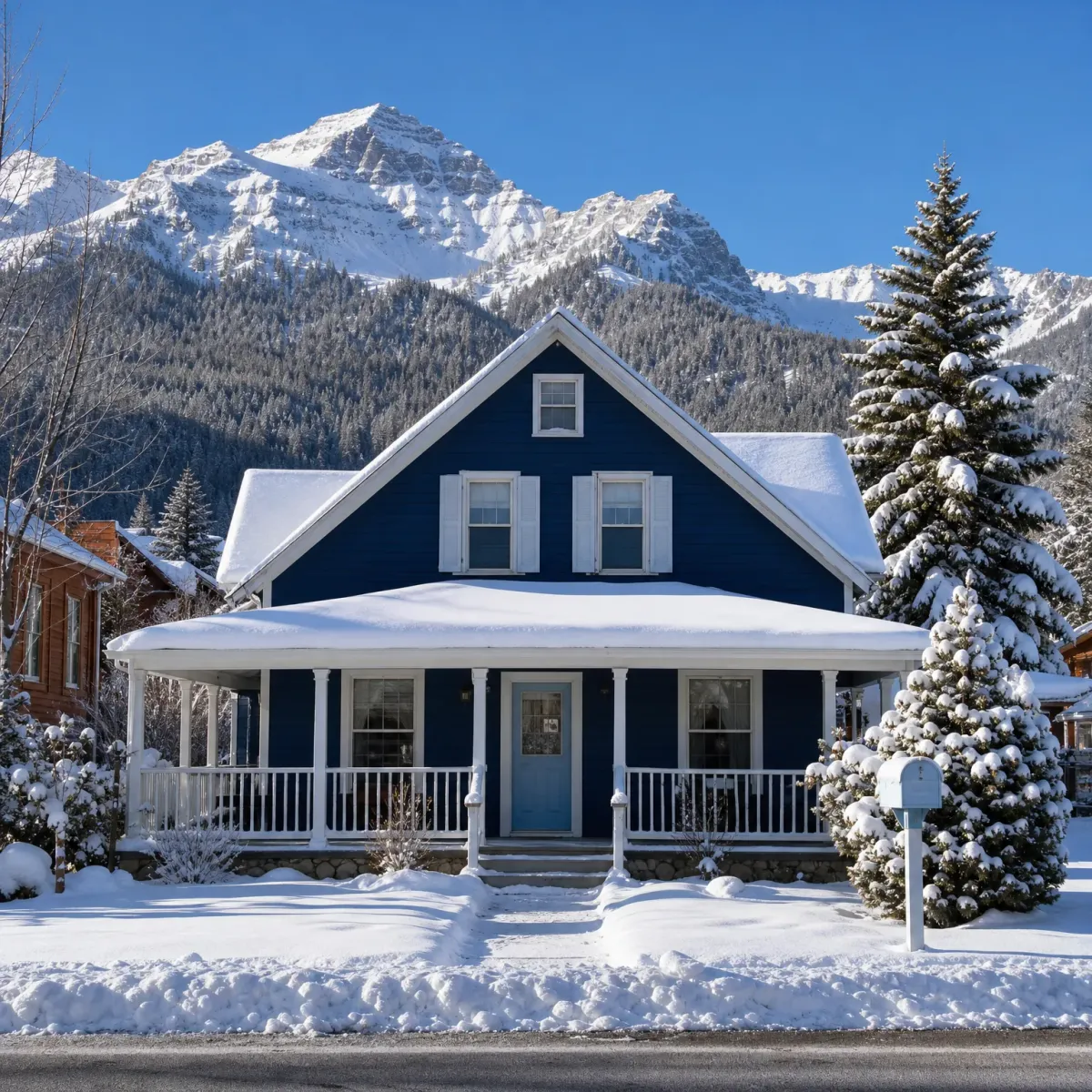
A dark blue two-story house with a white wraparound porch and snow-covered roof, surrounded by deep snow, snow-laden evergreen trees, and a white mailbox, with forested snowy mountains under a clear blue sky behind.

Common questions about heat pumps and furnaces

  • Can a heat pump heat a house through a Colorado winter?

    It can, but not alone on a night like yours. A conventional heat pump puts out less than its rated capacity once it drops below 40°F, and only a fraction of that rating in the teens. Your overnight low here averages 13°F in December, January and February, so the heat pump needs backup heat for the coldest stretch, not just on the rare night.

  • Do I need backup heat with a heat pump here?

    Most houses here will need it. Below about 35°F a standard heat pump's heating efficiency drops and it leans on a backup source, and your overnight low averages 13°F across December, January and February. A cold climate heat pump with the ENERGY STAR mark holds up better down to 5°F, but either way, plan on something to carry the coldest nights.

  • Can I keep my furnace and add a heat pump?

    Yes, and here that pairing earns its keep. The furnace carries the house on the roughly 220 nights a year that drop to freezing or below, including the 25 or so that reach 0°F, while the heat pump handles the milder nights and does the cooling too. Each machine ends up doing the part it's built for.

  • What if my house heats with oil or propane?

    Propane heats about one in three homes here, more than electricity does. Propane ran $24.16 per million Btu in Colorado in 2024, well above natural gas at $10.09, so switching a propane furnace to a heat pump is a different comparison than the gas numbers on this page. If gas isn't run to your house, weigh the heat pump against your actual propane bill, not against the furnace figures above.

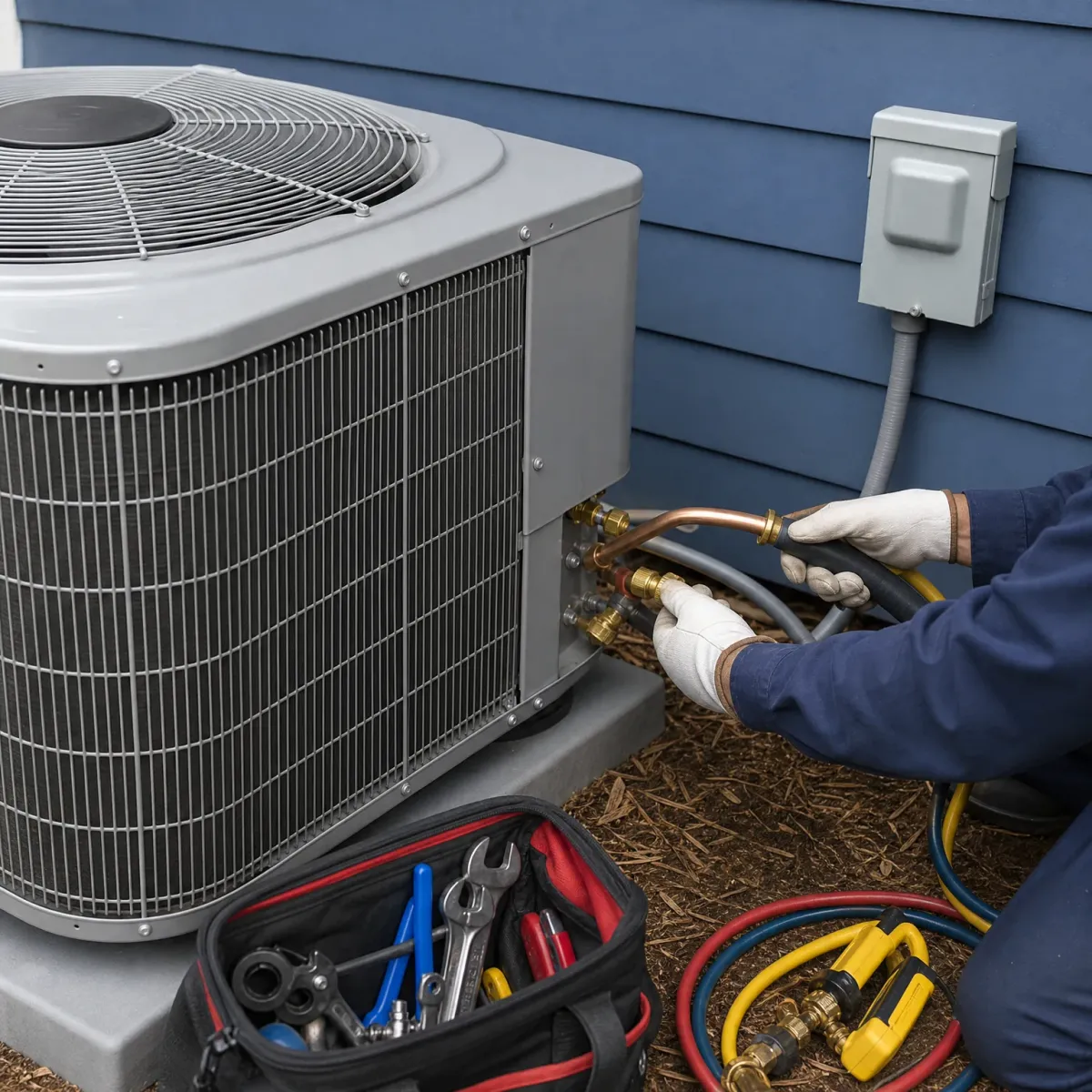
A gloved worker in a dark blue uniform connects colored gauge hoses to the service valves of an outdoor air conditioning condenser unit beside blue lap siding, with an open tool bag and coiled hoses on the mulch in the foreground.

Tell us about the job

Takes about a minute. No obligation.

Step 1 of 3: Equipment