


Can a heat pump handle winter here
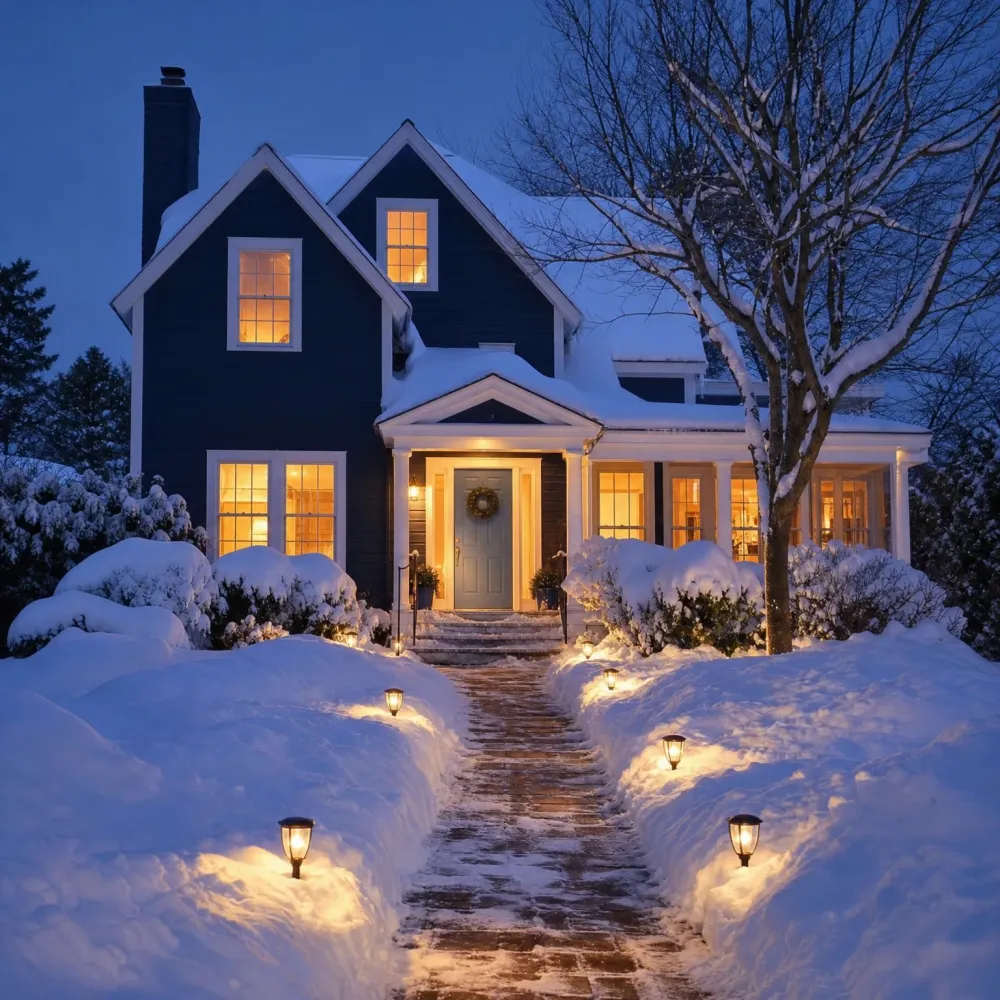
Your winters decide this more than anything else. Heat runs seven months a year in Otero County, October through April, and the overnight low averages 19°F across December, January and February. That's below the point where a standard heat pump starts to struggle.
A standard central heat pump puts out less than its rated heating capacity once it drops below 40°F outside, and often needs backup heat below about 35°F. Nineteen degrees is under both marks. So is every one of the roughly 160 nights a year here that fall to freezing or below. Those nights are most of the heating season, not the exception.
The cold snaps are rarer. About 6 nights a year reach 0°F or lower, a small slice of the 160 freezing nights. A standard heat pump leans hard on backup heat at that point. A cold climate model, the kind certified to make 1.75 units of heat per unit of electricity at 5°F and hold onto most of its capacity, is built for exactly those nights. Field tests of cold climate models found backup heat carried only a small share of the load between 0°F and 35°F, and running on backup alone was rare even above 0°F. The difference between a standard heat pump and a cold climate one matters a lot in a county where winter looks like this.