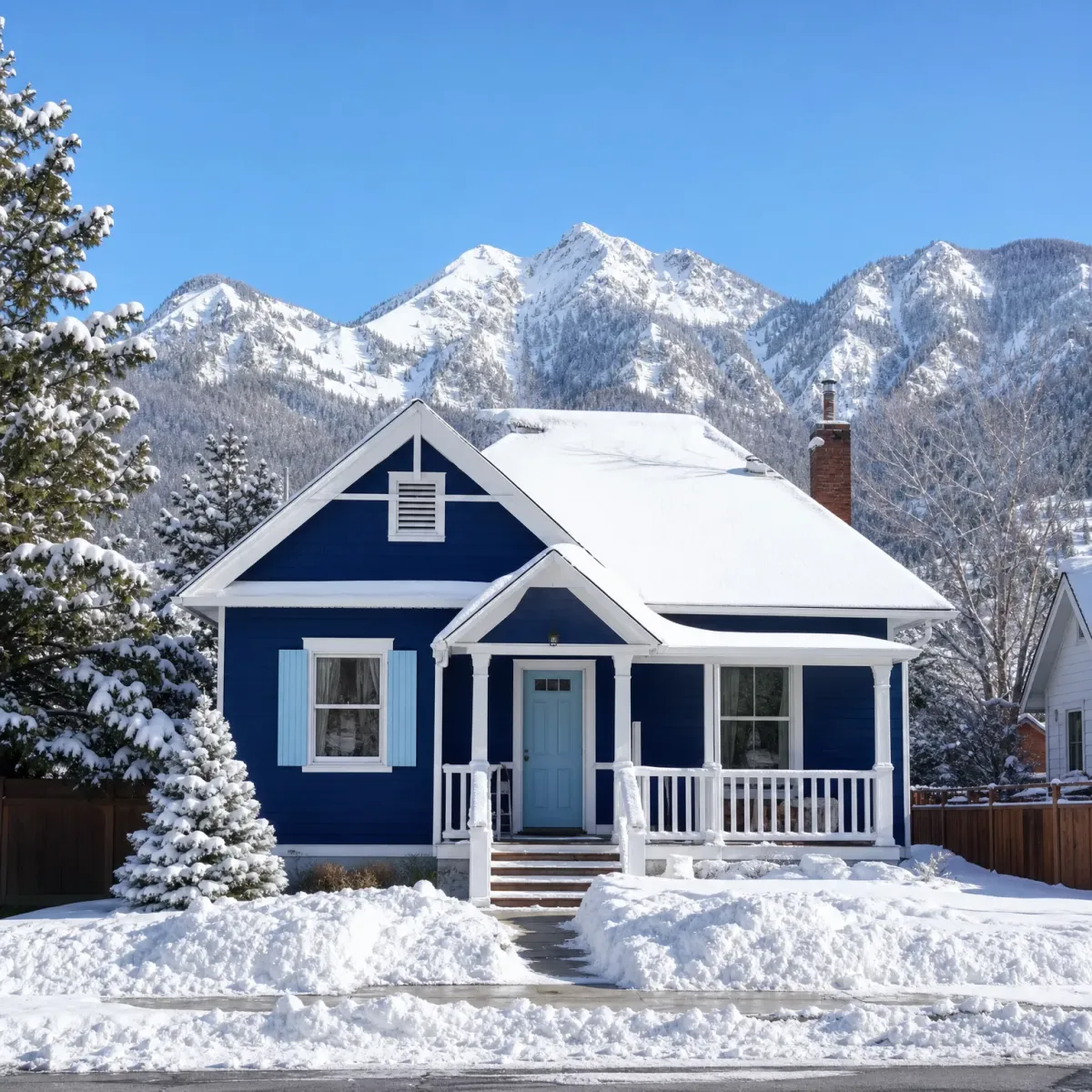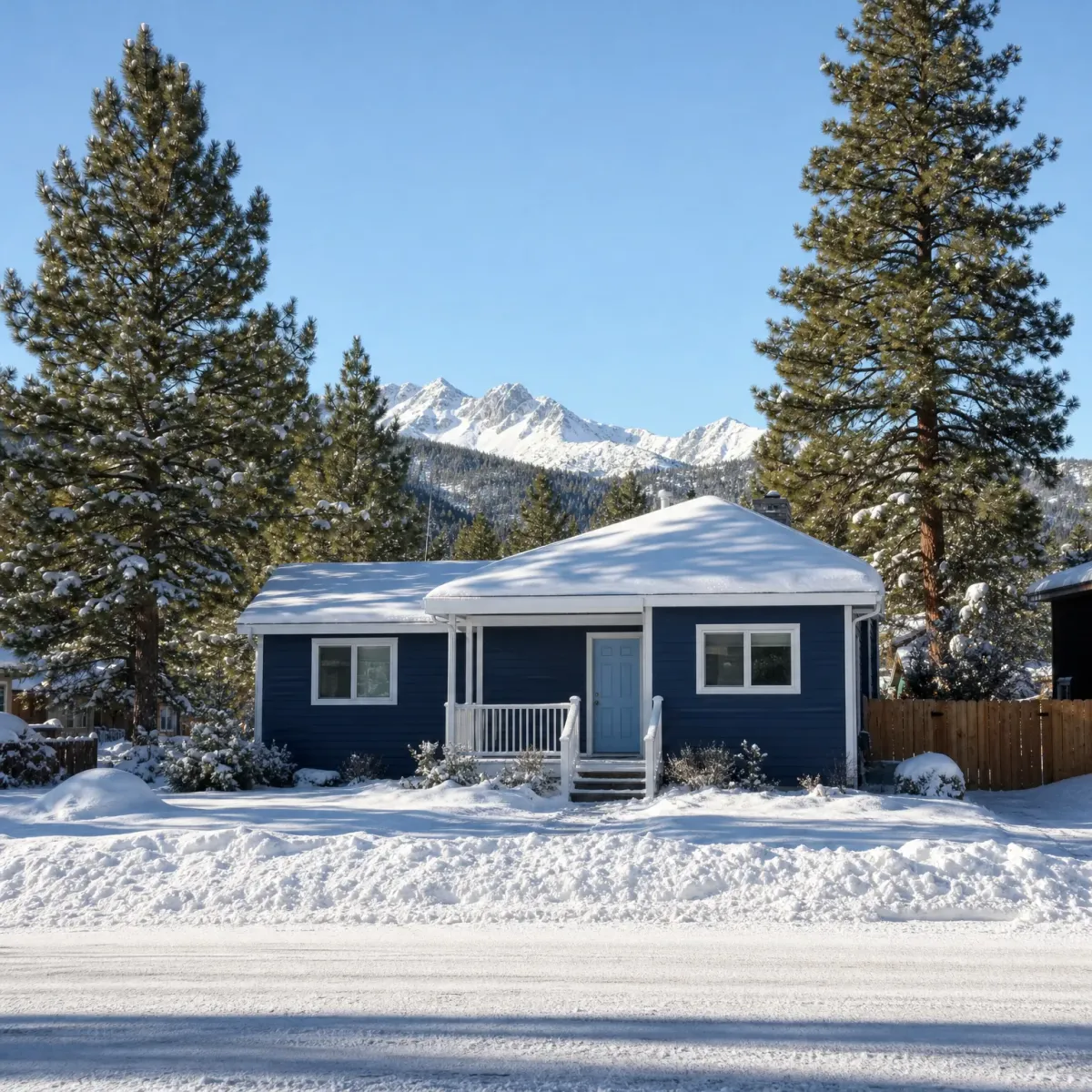

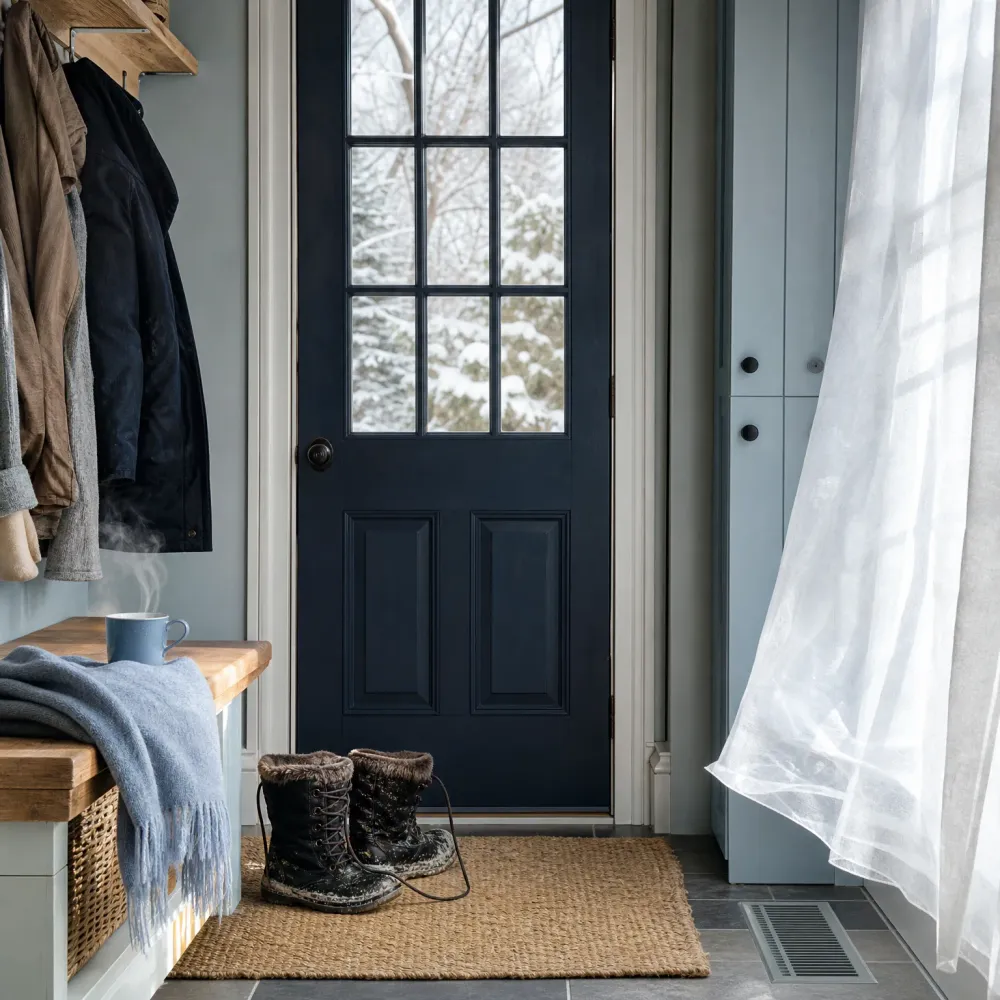
Winters here are long and cold
Your heat runs ten months a year here, September through June. That alone makes this a different decision than it would be somewhere the furnace sits idle half the year.
The average overnight low in December, January and February is 16 degrees. That's not an occasional dip. Over half the nights your heat is running, about 195 of them a year, the temperature falls to freezing or below. A standard heat pump starts losing ground before it even gets that cold. Below 40°F it puts out less than its rated capacity, and below about 35°F it typically needs backup heat to make up the difference. By 16 degrees, every one of those 195 freezing nights is colder than both marks.
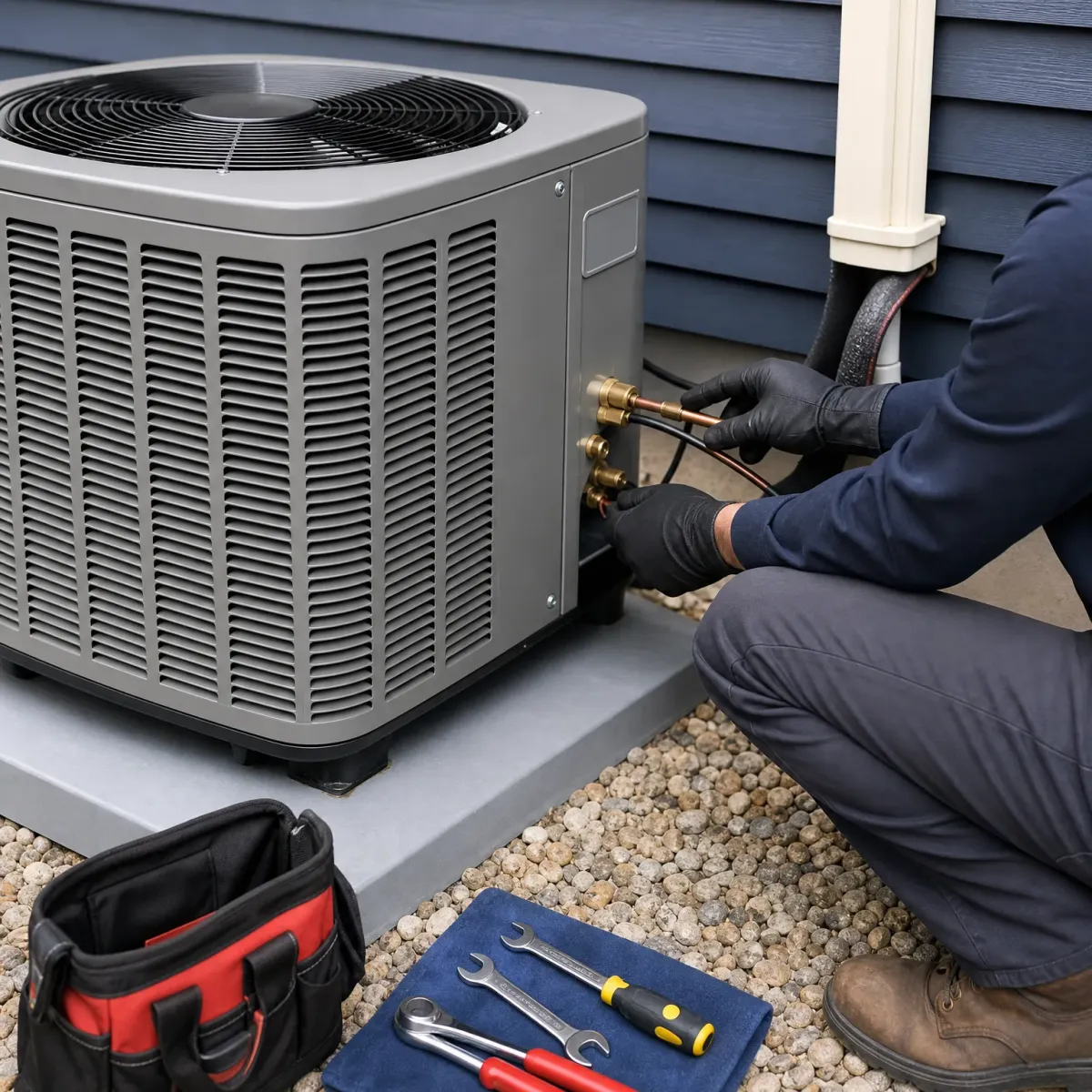
That doesn't rule out a heat pump. It means the one you buy has to be built for this. The ENERGY STAR Cold Climate models are tested down to 5°F and have to hold onto most of their rated output there. A standard heat pump isn't built to that standard and will lean on backup heat more often here than in a milder place. Field testing on cold climate models found that even with winters like this, backup heat covered only a small share of the load between 0°F and 35°F, and running on backup alone was rare except on the roughly 10 nights a year that reach 0°F. The furnace side has no such split to think about. A gas furnace is built to put out its full rated heat regardless of how cold it gets outside, so the 16-degree average and the 195 freezing nights don't change what it delivers.