




What the cold here does to a heat pump
Winter is the long season here, eight months of it, October through May, and the overnight low over those months averages 18 degrees. That number matters because a standard heat pump starts losing ground well above it. Below 40°F its heat output drops under its rating. Below about 35°F it often needs backup heat to make up the difference. Here, every single night that falls to freezing or below, about 160 of them a year, is colder than both of those marks.
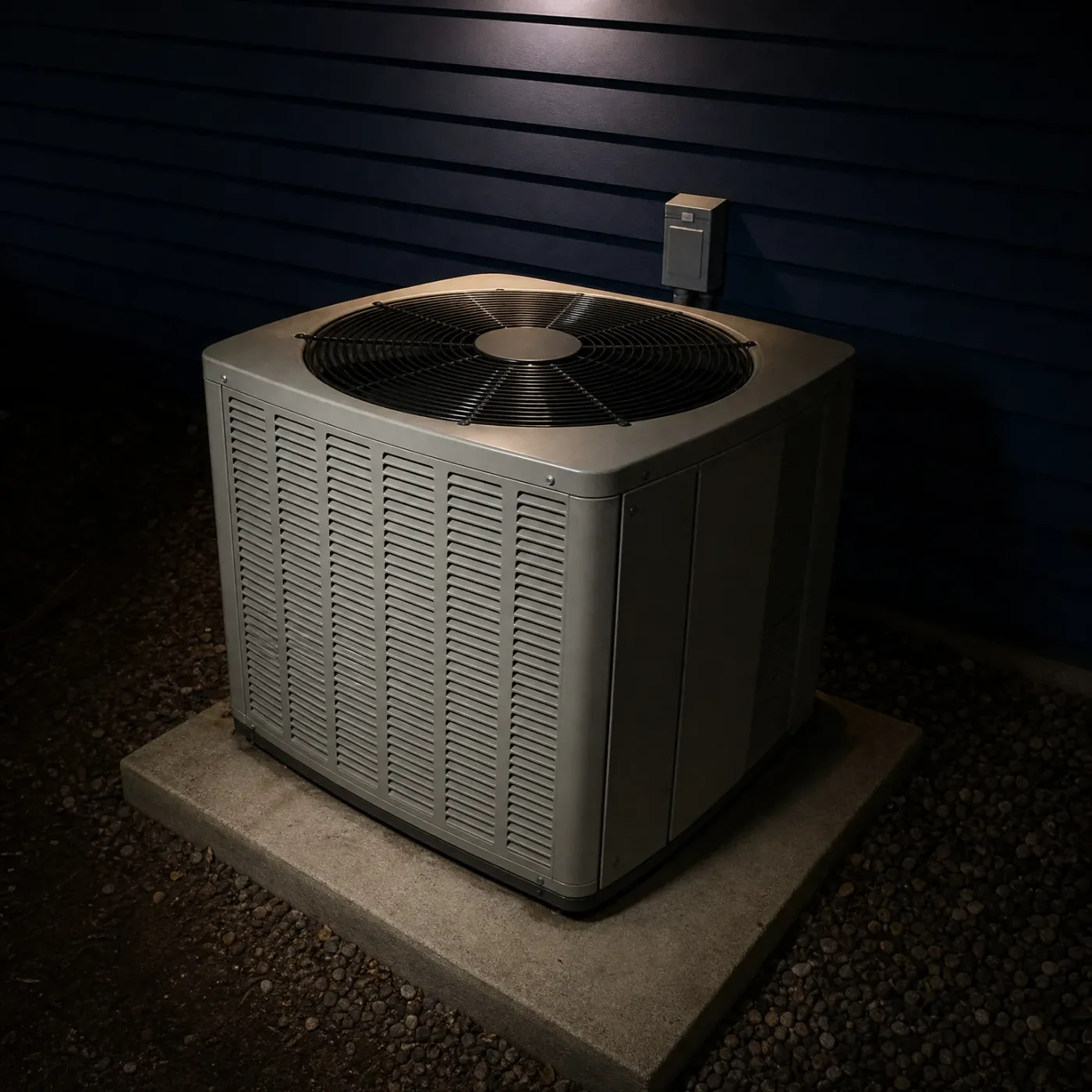
So for more than half the nights of the year, a standard heat pump is working below where it performs best, and leaning on backup heat to do it. That backup is usually electric resistance heat, the most expensive way to warm a house. The running cost quoted for a heat pump, $1.99 per 100,000 Btu, does not include it. On the coldest nights the real number runs higher than that.
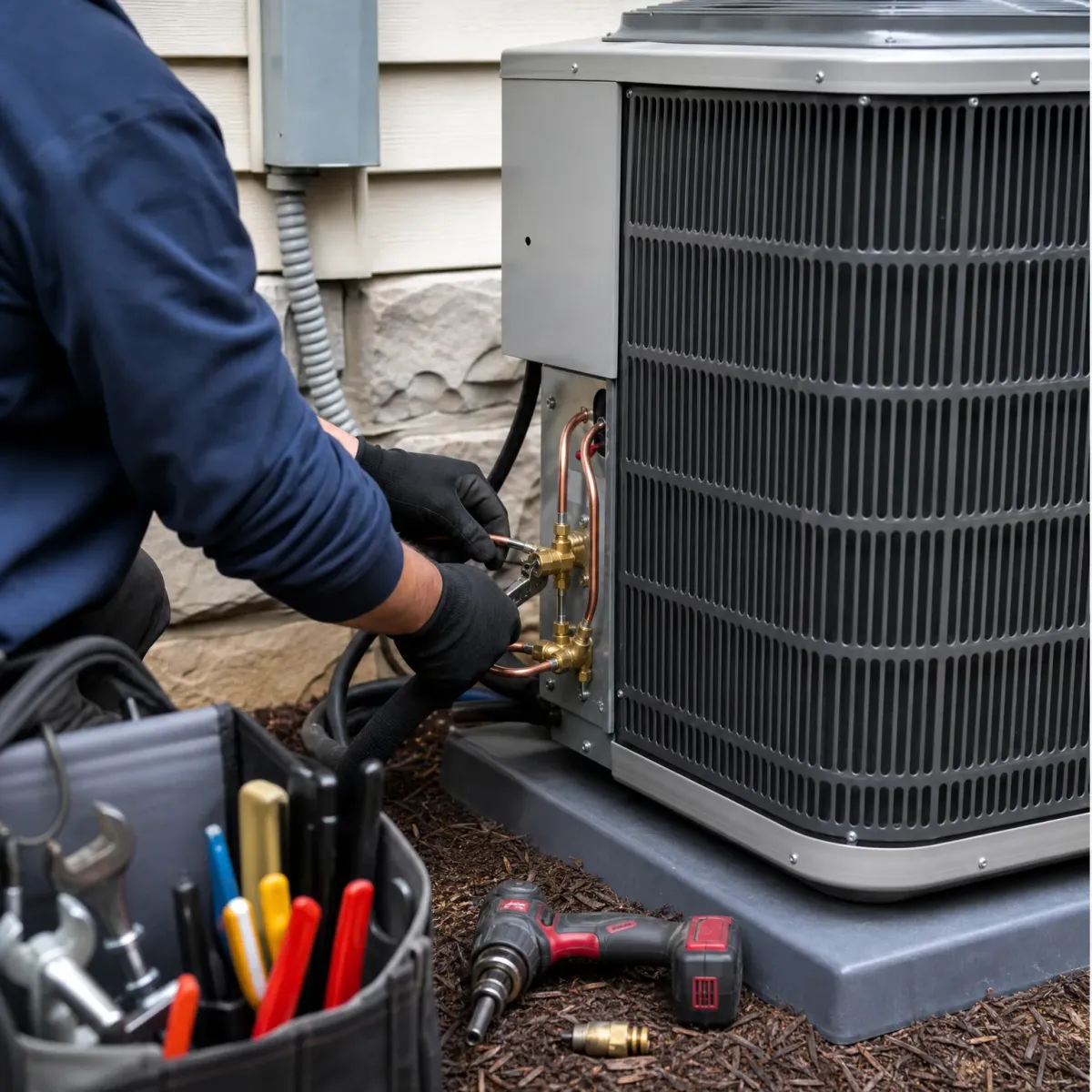
There is a version built for this. ENERGY STAR's Cold Climate heat pumps are tested to hold at least 1.75 units of heat per unit of electricity at 5°F, and to keep 70 percent of their rated capacity at that temperature, verified by outside testing. Field tests of prototype cold climate units found backup heat carried only a small share of the load between 0°F and 35°F, and running on backup alone was rare even at 0°F. Yuma County only reaches 0°F about 7 nights a year. A cold climate model is built for nights like that. A standard one is not.