
Heat pump vs furnace in Elbert County, Colorado

Talk to a Local Pro

Quotes on either system

Which costs less to run in Elbert County?

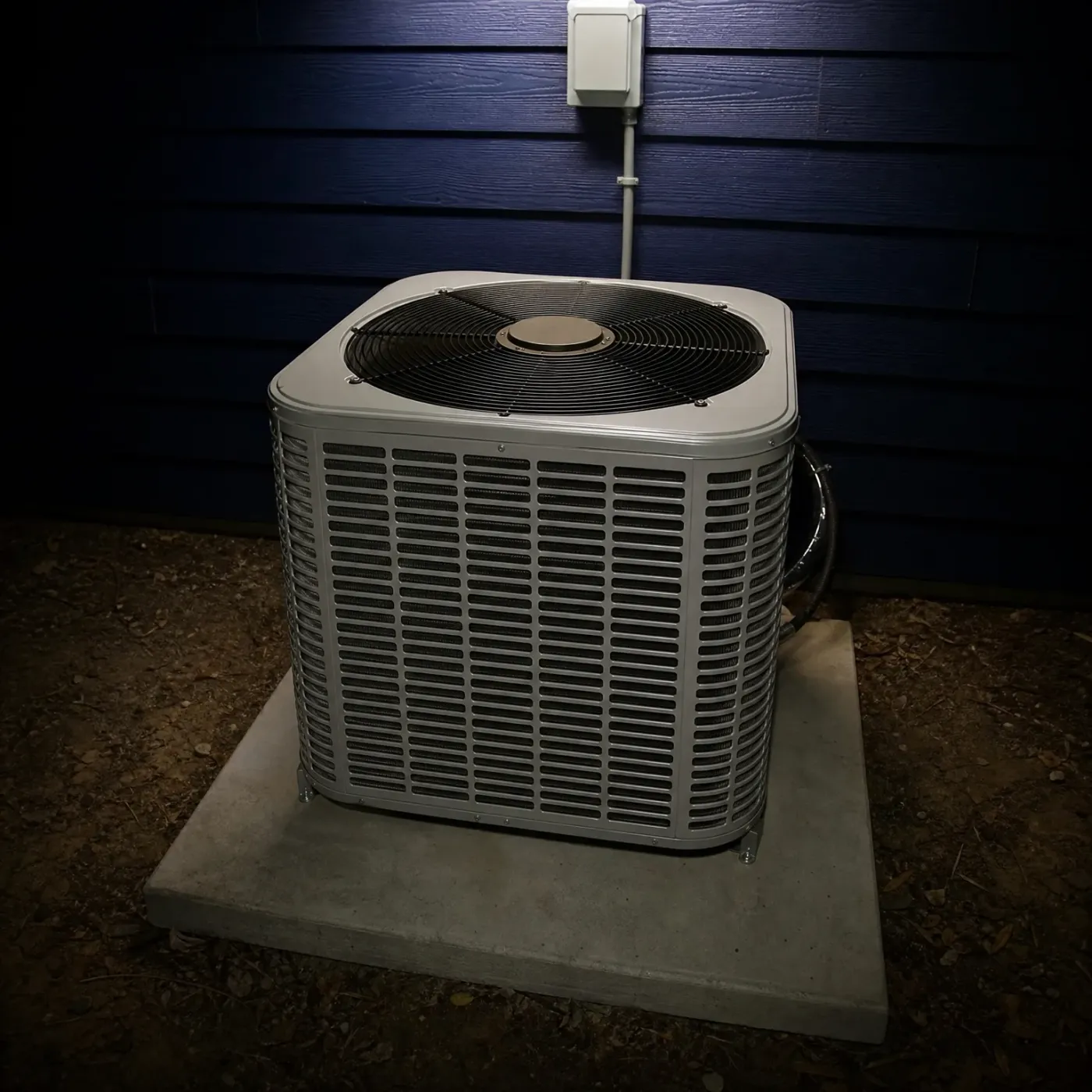
An outdoor air conditioning condenser unit on a concrete pad beside a dark horizontal-sided wall, with a conduit and electrical disconnect box above it, photographed at night.

Heat pump

To heat your home here$1.99per 100,000 Btu

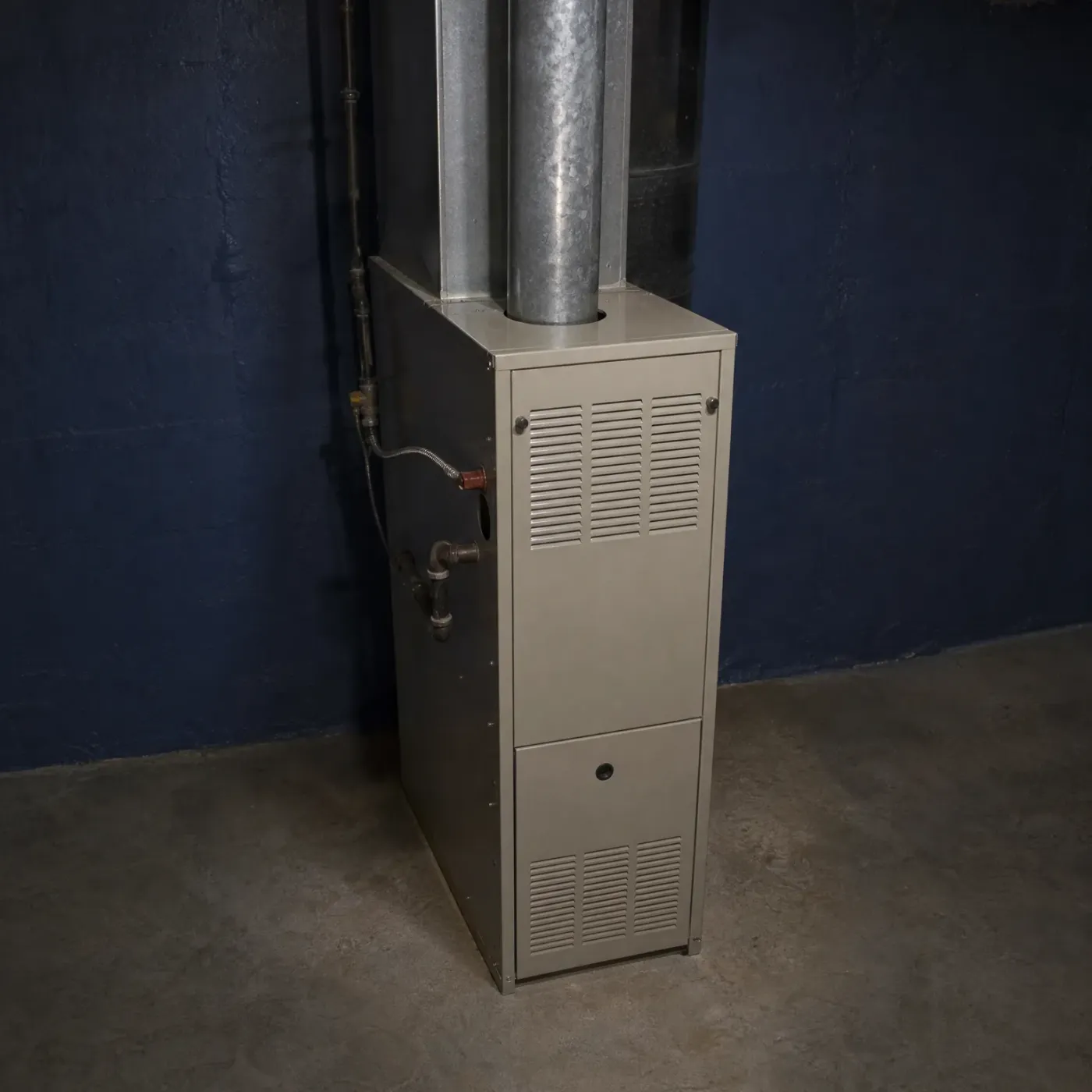
A beige sheet-metal furnace with louvered access panels stands against a dark blue painted basement wall on a concrete floor, with metal flue ducts rising from its top and gas piping along the wall.

Furnace

To heat your home here$1.26per 100,000 Btu

At Colorado's gas and electricity prices, a gas furnace makes the same heat as a heat pump for at least 36% less.

Btu stands for British thermal unit, the standard measure of heat energy.

Where does a heat pump shine?

  • Steady, even comfort

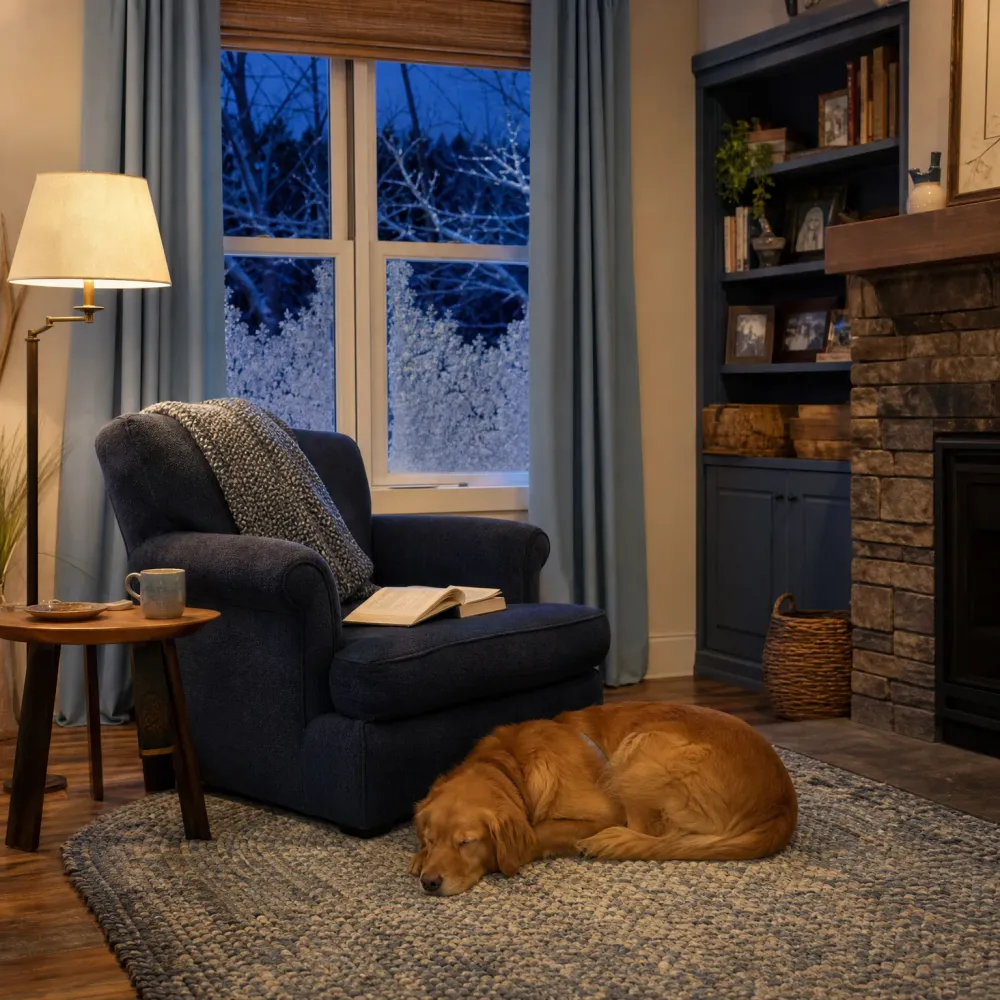
    Instead of short bursts of heat, it keeps a gentle, steady output going. The house stays at one comfortable temperature.

    A golden retriever sleeps on a braided gray rug beside a navy upholstered armchair holding an open book, with a lit floor lamp, side table with mug, curtained window showing frost-covered branches at dusk, and a stone fireplace with built-in blue shelves.
  • Heats and cools in one system

    A heat pump runs the same way all year. It pulls heat into the house in winter and pushes it out in summer.

    A living room with navy blue walls and built-in shelving, a beige sectional sofa with blue and gray pillows and a knit throw, a wooden coffee table with a woven tray and glass vase of greenery, a leather ottoman, and a large window looking onto green shrubs and hydrangeas.
  • No gas line, nothing burning in the house

    It moves heat instead of making it from fire. That means no combustion, no flue and no gas bill for heat.

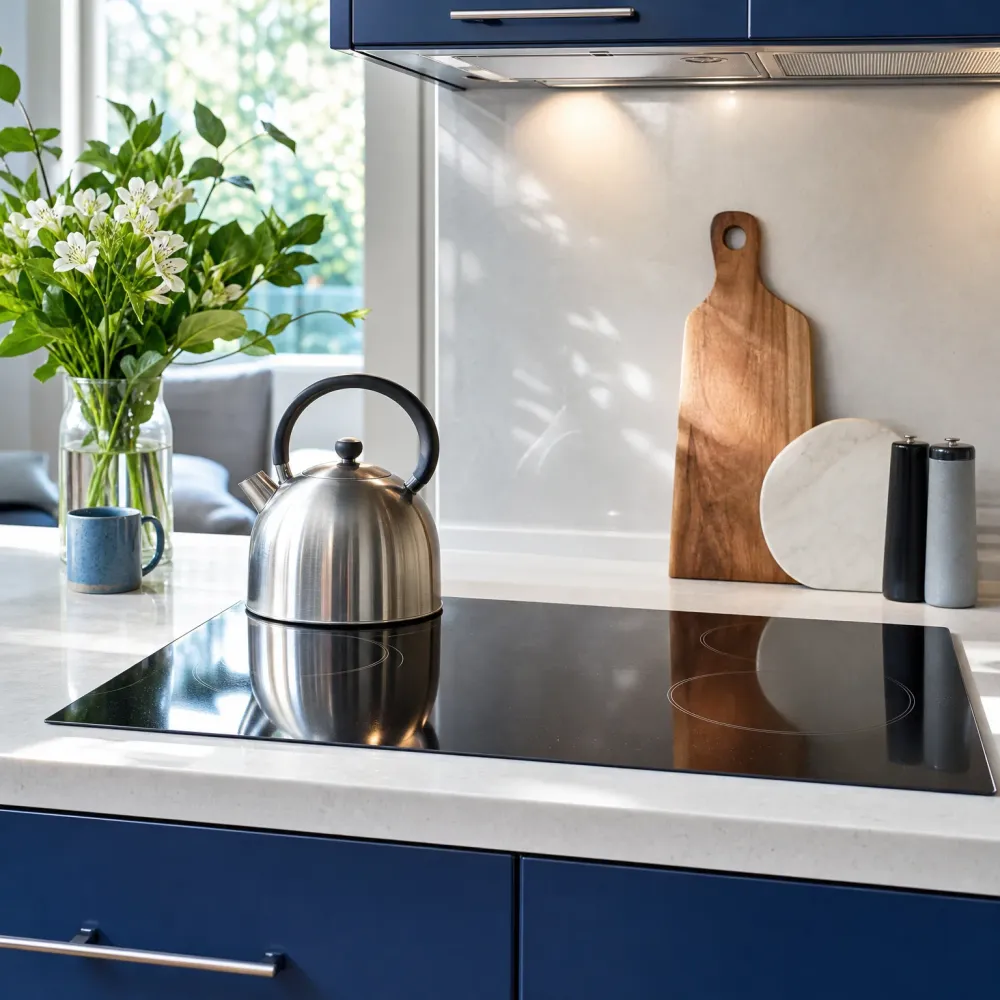
    A stainless steel kettle sits on a black glass cooktop set into a white speckled countertop above navy blue cabinets, with a wooden cutting board, round marble board, two pepper mills, a mug and a vase of white flowers nearby.

Where does a furnace shine?

  • Strong, steady heat in hard cold

    Winter nights in Elbert County average 15°F, and a furnace puts out the same hot air no matter how far the temperature drops. You don't lose heating strength on the coldest nights of the year.

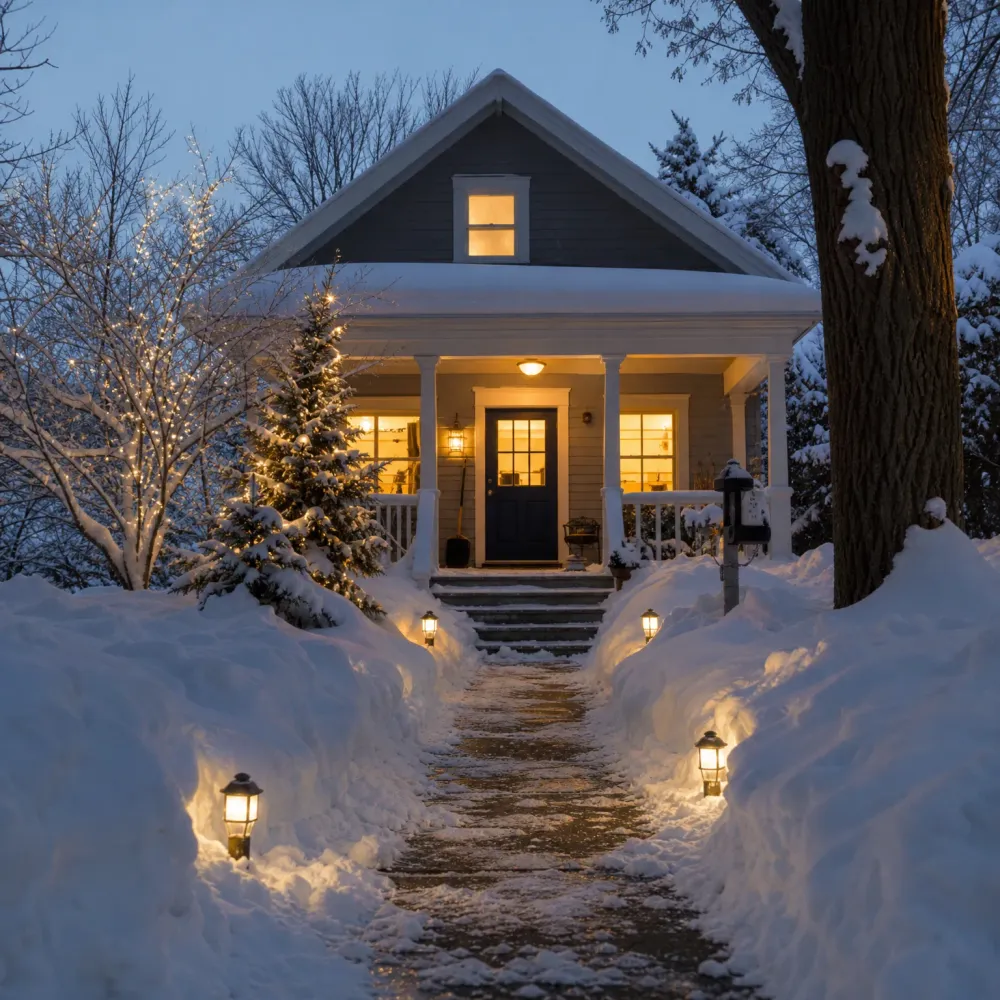
    A two-story house with a lit porch and glowing windows at dusk, with a shoveled path lined by small lanterns leading through deep snow to the front steps, and a large bare tree trunk at right.
  • Pairs with any central AC

    Most central air systems are built around a furnace. The two share the blower, the ducts and the thermostat.

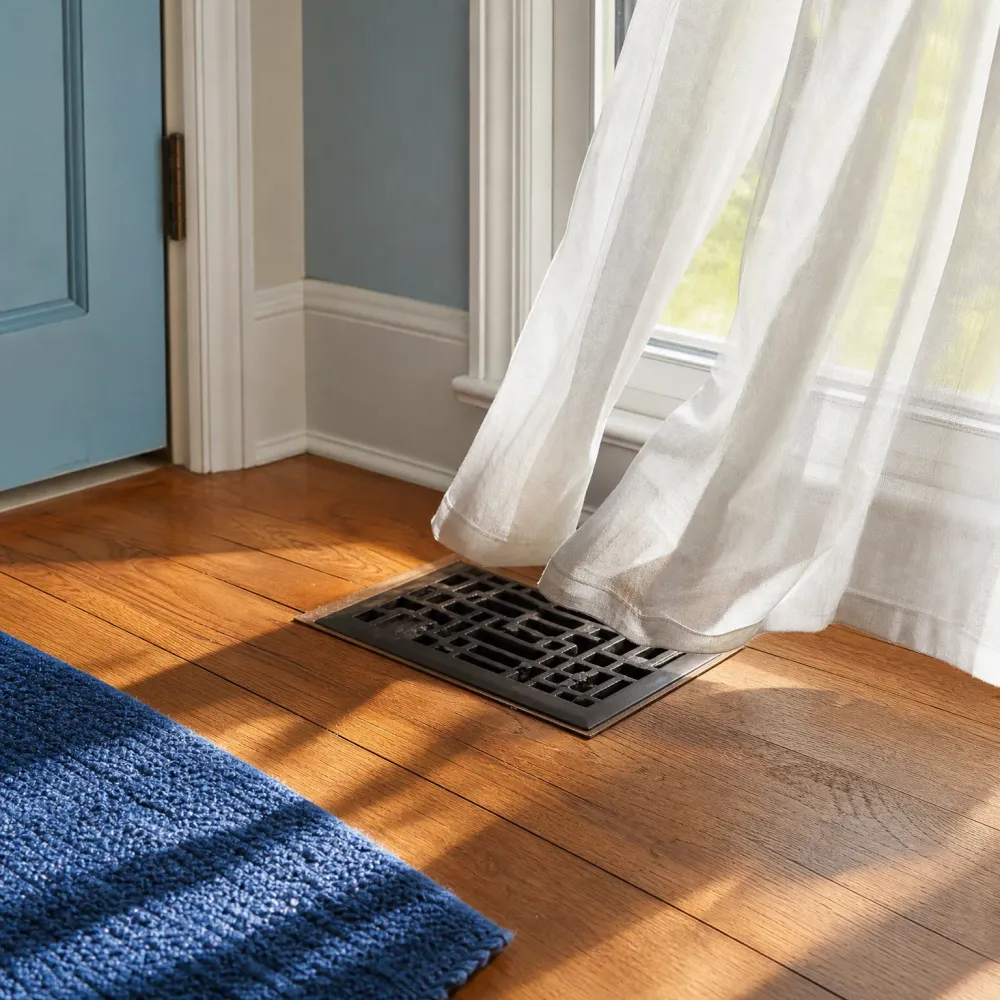
    A dark metal floor register vent set into hardwood flooring near a window with sheer white curtains, with a blue rug in the foreground and a blue door at left.
  • Fast, strong heat on demand

    The air coming from the vents feels genuinely hot. That's welcome on a freezing morning.

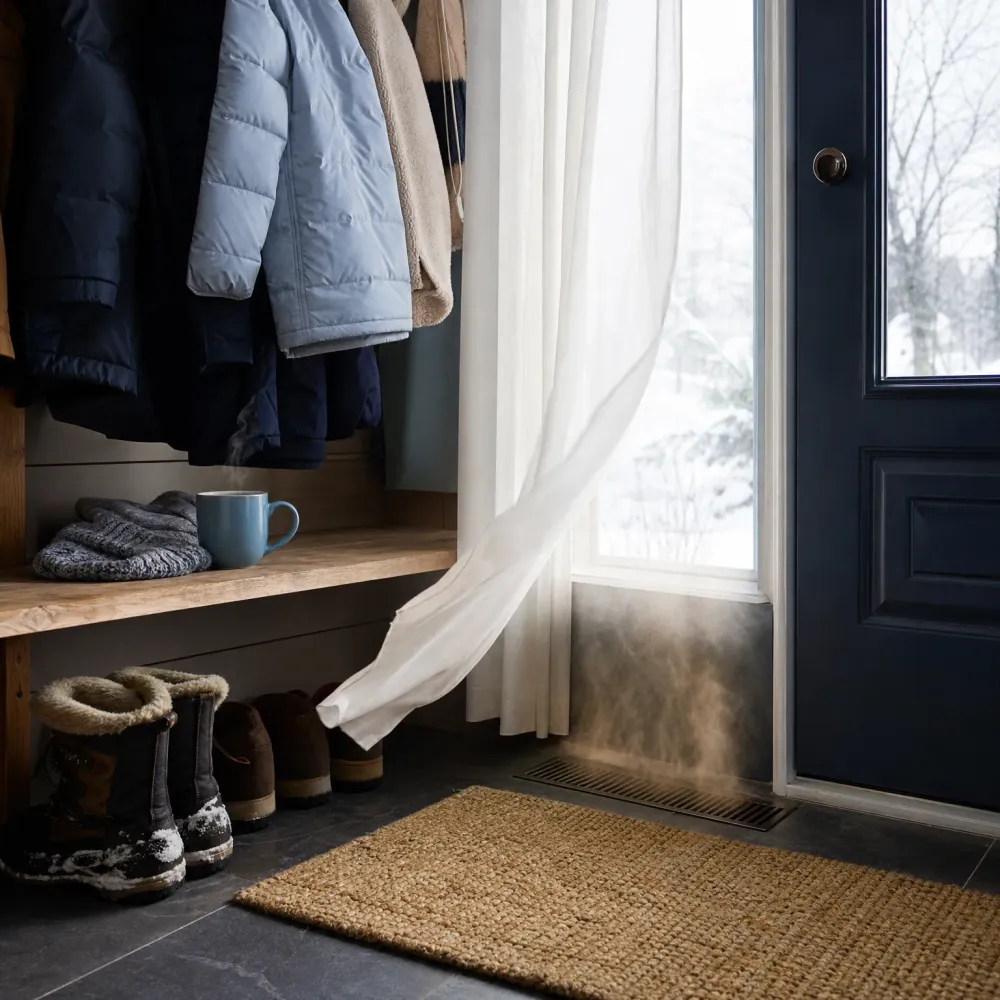
    Entryway with coats hung above a wooden bench holding mittens and a steaming mug, boots on a tile floor, a jute mat, a floor vent with visible warm air, a sheer curtain blowing by a window showing snow, and a dark blue door.

Why winter here decides this

Your winter low averages 15°F, and that's not an outlier night, that's the average across December, January and February. A standard heat pump starts losing ground below 40°F and is typically leaning on backup heat by 35°F. Here, both marks sit above your average low, not below it. Out of the roughly 170 nights a year that drop to freezing or below, every single one falls below both marks.

That doesn't mean a heat pump quits. It means that on most winter nights in Elbert County, a standard heat pump is either making less heat than its rating says or handing part of the job to backup heat. Six nights a year drop to 0°F or colder. That's a small slice of the 170 freezing nights, but it's six nights where a standard heat pump is working hardest and producing least.

A cold-climate heat pump changes this math. To earn that label, a unit has to deliver at least 1.75 units of heat per unit of electricity at 5°F and hold onto 70 percent of its 47°F capacity at that same temperature, and that has to be verified, not claimed. Field testing on prototype cold-climate units backs this up: backup heat covered only a small share of the load between 0°F and 35°F, and running on backup alone was rare even above 0°F. If a heat pump is going into this county, that distinction, cold-climate rated or not, is the one worth checking before anything else.
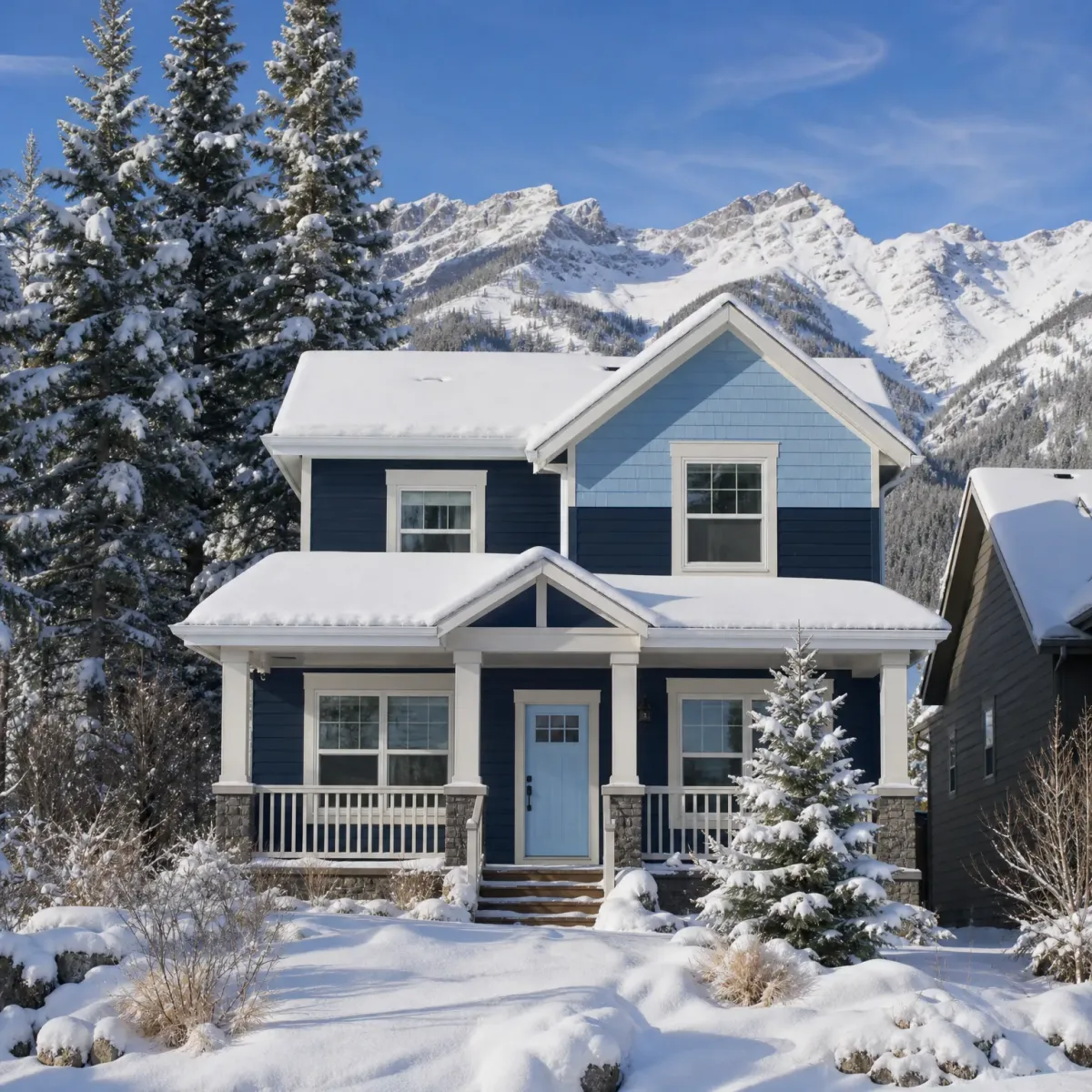
A two-story navy and light blue house with white trim, a covered porch and stone-base columns, surrounded by deep snow, snow-laden conifers, and snow-covered mountains under a clear blue sky.

What it costs to run and what's already out there

The running-cost numbers above aren't close. A gas furnace makes the same heat here for $1.26 per 100,000 Btu against $1.99 for a heat pump, both at federal minimum efficiency and Colorado's own fuel prices. That gap doesn't account for backup heat, which a standard heat pump will lean on for a good part of the 170 freezing nights. Add that in and the furnace's advantage in a cold winter here only grows.

Heating runs nine months a year in Elbert County, September through May. Cooling is two months, July and August. A furnace does nothing for those two months. A heat pump does both jobs with one system, which matters if your ductwork is already set up for central air and you're trying to avoid running two systems.

Gas and propane already heat most homes here, utility gas at 44.9 percent and propane at 37.7 percent, against electricity at 10.2 percent. That's not a reason by itself, but it means the infrastructure for burning fuel, gas lines or propane tanks, is already the norm in this county, not the exception. If your home is one of them, staying with a furnace keeps you on the setup already in place. If it's not, and you're deciding between putting in gas service or going electric, the cold-climate heat pump is the one to weigh against a furnace, not the standard one.

Sources: NOAA nClimDiv · NOAA 1991–2020 seasonal normals · PNNL Building America guide · PNNL-37127 field study · ENERGY STAR product criteria · EIA SEDS 2024 · 10 CFR 430.32 · Census ACS 2020–2024

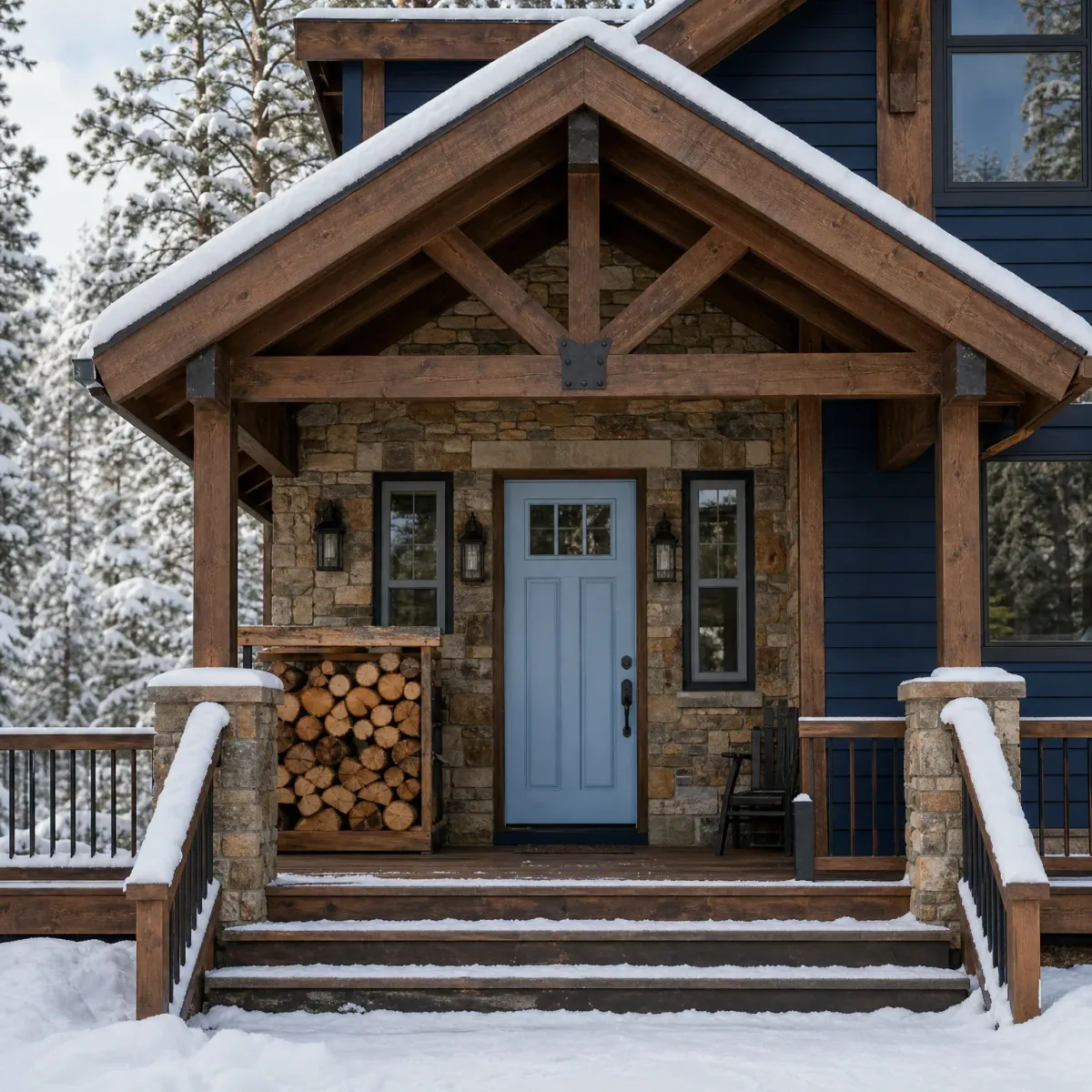
Snow-covered covered entry porch of a navy-sided house with heavy timber trusses, stone veneer walls, a light blue front door, stacked firewood, and wooden steps with railings, surrounded by snowy conifers.

Common questions about heat pumps and furnaces

  • Can a heat pump heat a house through a Colorado winter?

    It can, but a standard heat pump loses ground as it gets colder. Below 40°F its heat output drops under its rating, and below about 35°F it typically needs backup heat to keep up. The average overnight low here is 15°F across December, January and February, and the night drops to freezing or below about 170 times a year, so a standard heat pump would be leaning on backup heat through most of the winter. A cold-climate heat pump, the kind rated to hold most of its capacity down to 5°F, handles those nights with less help.

  • Do I need backup heat with a heat pump here?

    With a standard heat pump, yes. Its heating efficiency falls off below about 35°F and its output falls short of the rated capacity below 40°F, and here the overnight low sits at 15°F on average through winter, with freezing or colder on about 170 nights a year. A cold-climate heat pump needs backup less often, since it is built and tested to keep most of its heat output down to 5°F. Either way, the furnace in a dual fuel setup, or a built-in electric element, is what covers the gap on the coldest nights.

  • Can I keep my furnace and add a heat pump?

    Yes. That pairing is called a dual fuel or hybrid system, and it runs the heat pump for most of the winter and switches to the furnace when it gets cold enough that the furnace heats better than the heat pump can. Here, with overnight lows below freezing on about 170 nights a year, the furnace would get real use rather than sitting idle. It also means you are not choosing one machine to carry the whole season on its own.

  • What if my house heats with oil or propane?

    Propane is the main fuel to compare here, not oil, since bottled and tank gas heats close to two in five homes in Elbert County. A furnace runs on propane the same way it runs on natural gas, just at a different cost: propane ran $24.16 per million Btu in Colorado in 2024, well above the $10.09 for natural gas. If your house is on propane now, a heat pump is worth pricing against it directly, since electricity at $43.72 per million Btu and propane at $24.16 are a closer comparison than electricity against natural gas.

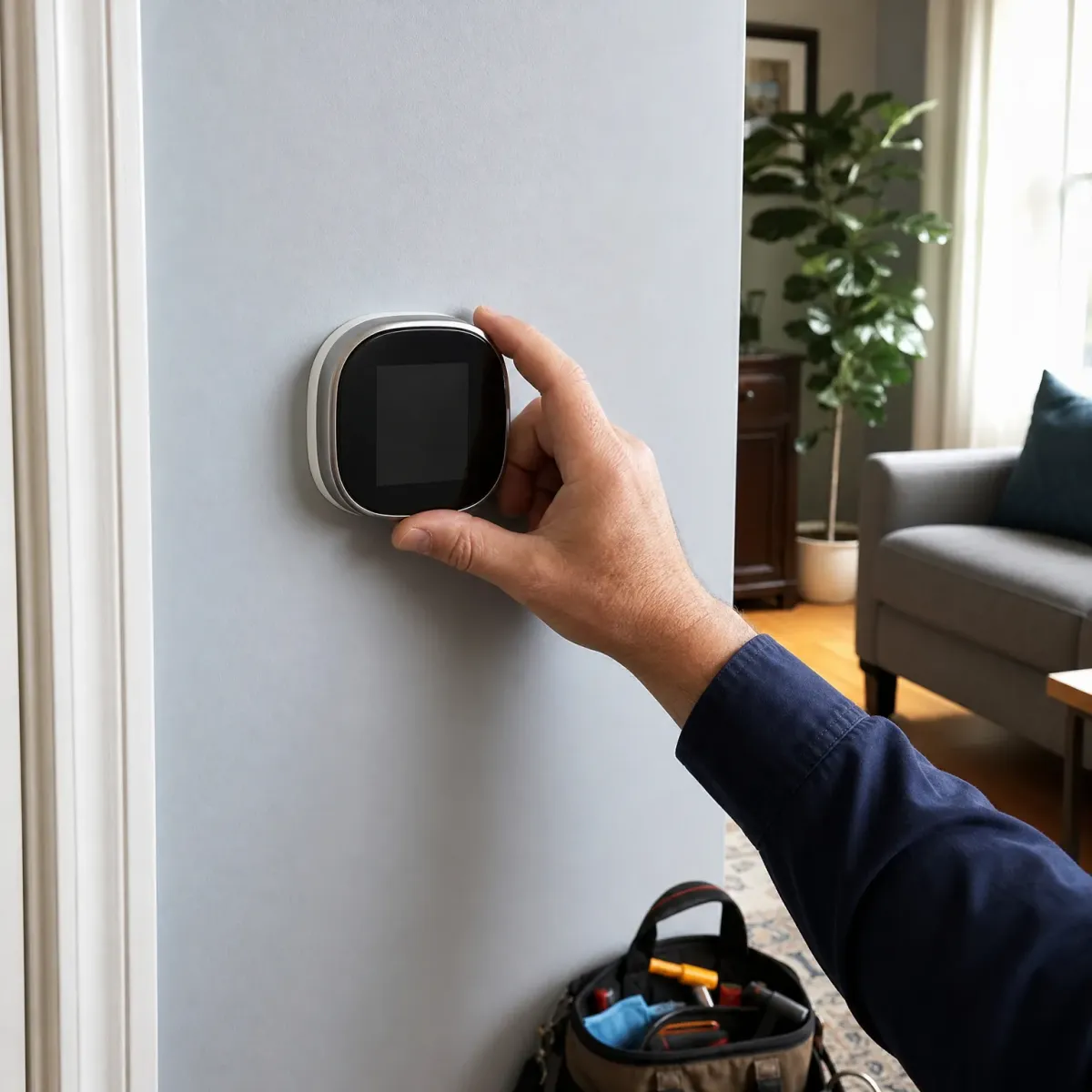
A person's hand in a dark blue sleeve adjusts a round wall-mounted thermostat with a black screen, with a living room containing a gray sofa, potted plant and open tool bag in the background.

Tell us about the job

Takes about a minute. No obligation.

Step 1 of 3: Equipment